


Introduction
Have you ever heard of an animal that looks like a mix between a pig and an elephant, yet plays a crucial role in maintaining forests? Meet the tapir—one of nature’s most fascinating and ancient creatures. Despite their importance, tapirs remain largely unknown to many people around the world.
World Tapir Day 2026, observed on April 27, is dedicated to raising awareness about these unique mammals and the urgent need to protect them. As forests continue to shrink and wildlife faces increasing threats, this day reminds us that even lesser-known species deserve attention and conservation efforts.
What is World Tapir Day?
World Tapir Day is celebrated every year on April 27 to highlight the importance of tapirs in the ecosystem and to promote their conservation.
The day brings together:
- Wildlife conservationists
- Environmental organizations
- Zoos and research institutions
- Nature enthusiasts
The goal is simple yet powerful—to educate people about tapirs and inspire action to protect them. Through campaigns, events, and digital awareness drives, this observance shines a spotlight on a species that often goes unnoticed.
World Tapir Day 2026 Theme
As of now, the official theme for World Tapir Day 2026 is not announced. However, the central focus remains consistent every year:
👉 Promoting tapir conservation and protecting forest ecosystems
Themes typically emphasize:
- Wildlife protection
- Habitat conservation
- Public awareness
- Sustainable living
🐘 About Tapirs: Nature’s Gentle Gardeners
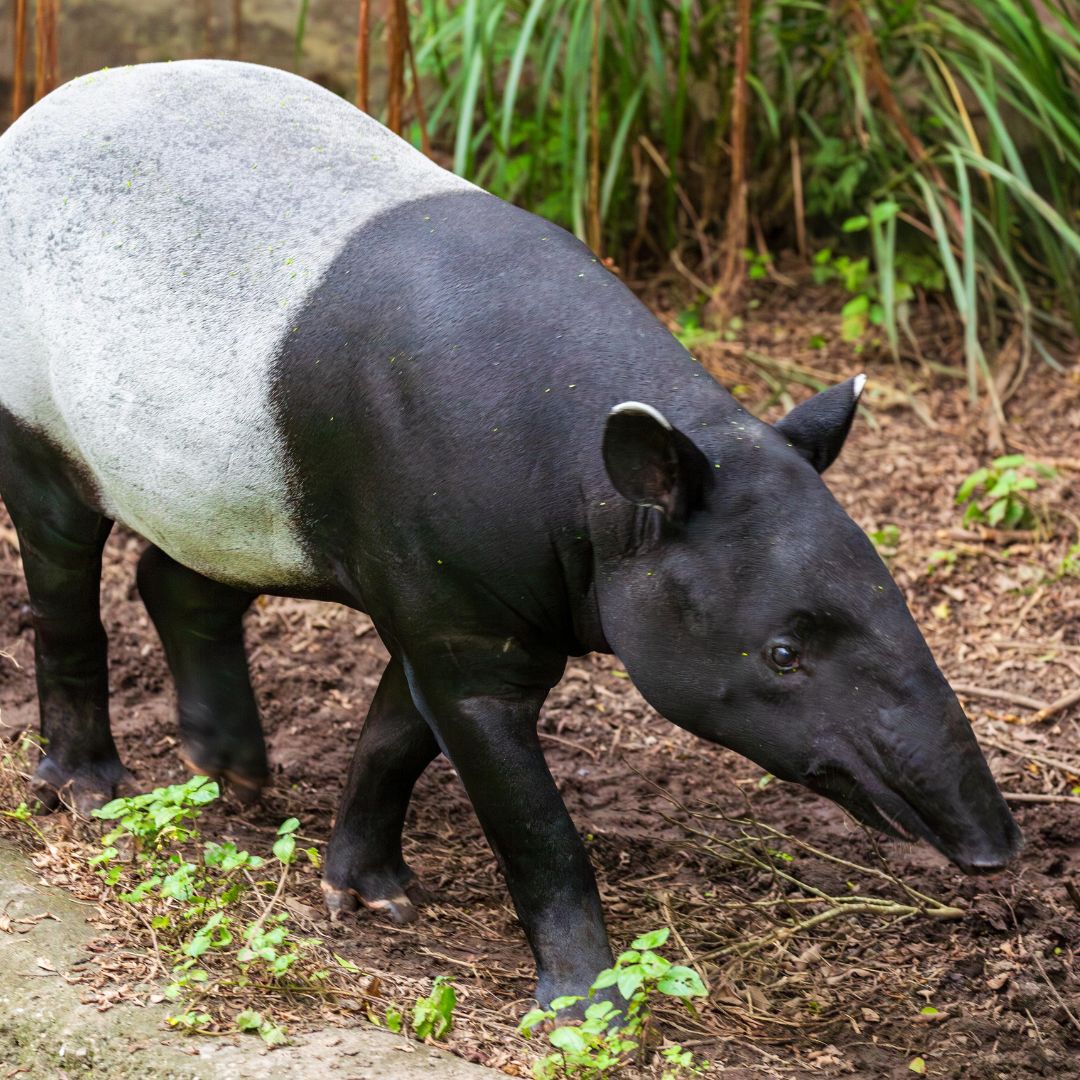
Tapirs are large, herbivorous mammals known for their distinctive appearance. They have stout bodies, short legs, and a flexible, trunk-like snout that helps them grab leaves and fruits.
What makes them truly remarkable is their ancient lineage. Tapirs have existed for over 50 million years, making them living survivors of prehistoric times.
Key Characteristics:
- Scientific Order: Perissodactyla (same as horses and rhinos)
- Diet: Fruits, leaves, aquatic plants
- Habitat: Tropical forests, grasslands, wetlands
- Behavior: Mostly solitary and nocturnal
Tapirs are often called “gardeners of the forest” because they spread seeds through their droppings, helping forests regenerate naturally.
Types of Tapirs Around the World
There are four species of tapirs, each with unique features and habitats:
- Malayan Tapir: Found in Southeast Asia, it is easily recognized by its black-and-white body pattern.
- Brazilian (Lowland) Tapir: Native to South America, it is the most widespread species and plays a key role in rainforest ecosystems.
- Baird’s Tapir: Found in Central America, it is the largest of all tapir species.
- Mountain Tapir: Lives in the Andes Mountains and is well-adapted to cooler climates.
Each species faces different environmental challenges, but all share a common threat—declining populations.
⚠️ Why Tapirs Are Endangered
Despite their ecological importance, tapirs are facing serious threats that have pushed them toward endangerment.
Major Threats:
1. Deforestation: Rapid clearing of forests for agriculture, logging, and urban expansion destroys their natural habitat.
2. Habitat Fragmentation: When forests are broken into smaller patches, tapirs struggle to find food and mates.
3. Hunting and Poaching: In some regions, tapirs are hunted for their meat and skin.
4. Climate Change: Changing weather patterns affect their habitat and food availability.
These factors combined have led to a steady decline in tapir populations, making conservation efforts more urgent than ever.
🌱 Importance of Tapirs in the Ecosystem
Tapirs play a crucial role in maintaining healthy ecosystems. Without them, forests would struggle to regenerate.
Why Tapirs Matter:
- Seed Dispersal: Tapirs consume fruits and spread seeds across large areas
- Forest Growth: Help maintain plant diversity
- Ecosystem Balance: Support the survival of other species
Because of these contributions, tapirs are considered a keystone species. Protecting them means protecting entire ecosystems.
World Tapir Day 2026 Activities
World Tapir Day is observed in creative and impactful ways across the globe.
Common Activities:
- Awareness Campaigns: Organizations share information through blogs, videos, and social media
- Educational Programs: Schools and institutions conduct workshops and presentations
- Zoo Events: Zoos host special talks and interactive sessions about tapirs
- Social Media Movements: Hashtags like #WorldTapirDay help spread awareness
These efforts help bring attention to a species that often remains in the shadows.
🙌 How You Can Help Protect Tapirs
You don’t need to be a scientist or conservationist to make a difference. Small actions can have a big impact.
Simple Ways to Help:
- Support wildlife conservation organizations
- Avoid products linked to deforestation
- Spread awareness on social media
- Educate others about endangered species
- Donate or volunteer for environmental causes
Every step counts toward creating a safer world for tapirs and other wildlife.
📊 Interesting Facts About Tapirs
Here are some fascinating facts that make tapirs truly unique:
- Tapirs are excellent swimmers and often use water to escape predators
- Baby tapirs have striped and spotted coats for camouflage
- They are closely related to horses and rhinoceroses
- Tapirs have poor eyesight but a strong sense of smell
- They are shy, gentle, and mostly active at night
These traits make tapirs one of the most intriguing animals in the wild.
🇮🇳 Why World Tapir Day Matters for India and the World
Although tapirs are not found in India, their conservation holds global importance.
In today’s interconnected world:
- Loss of one species affects entire ecosystems
- Biodiversity decline impacts climate balance
- Conservation awareness transcends borders
India, known for its rich biodiversity and conservation efforts, plays an important role in promoting global wildlife awareness. Observing days like World Tapir Day helps strengthen this commitment.
✨ Conclusion
World Tapir Day 2026 is more than just a date on the calendar—it is a reminder of our responsibility toward the natural world. Tapirs, though often overlooked, play a vital role in keeping forests alive and thriving.
As human activities continue to impact wildlife, it becomes essential to protect species like tapirs before it’s too late. By spreading awareness, supporting conservation, and making mindful choices, we can all contribute to a better future.
👉 Let’s take a step today to protect these gentle guardians of the forest.
FAQs About World Tapir Day 2026
1. What is World Tapir Day?
World Tapir Day is celebrated on April 27 to raise awareness about tapirs and promote their conservation.
2. Why are tapirs endangered?
Tapirs are endangered due to habitat loss, deforestation, hunting, and climate change.
3. Where are tapirs found?
Tapirs are found in Central and South America and Southeast Asia.
4. What do tapirs eat?
They are herbivores and eat fruits, leaves, and aquatic plants.
5. Why are tapirs important to the ecosystem?
Tapirs help disperse seeds and maintain forest biodiversity, earning them the title “gardeners of the forest.”
6. How can we help protect tapirs?
We can support conservation efforts, spread awareness, and adopt sustainable practices.
7. When is World Tapir Day celebrated?
It is observed every year on April 27.