


Introduction
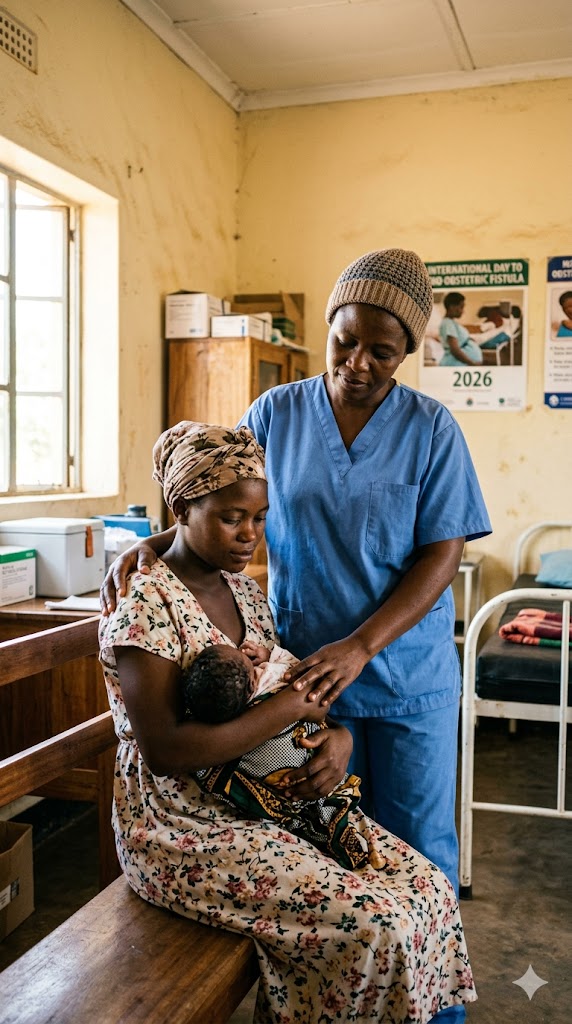
Every year on May 23, the world observes the to raise awareness about one of the most serious yet preventable childbirth injuries affecting women worldwide. Obstetric fistula is not just a medical condition; it is also a social and human rights issue that reflects inequality in access to quality healthcare, education, and maternal support.
Also Read: World AIDS Vaccine Day 2026: History, Importance, Research, and Global Awareness
Millions of women, especially in low-income and rural communities, continue to suffer from this condition due to prolonged or obstructed labor without proper medical care.
International Day to End Obstetric Fistula 2026 is an opportunity to spread awareness, support maternal healthcare programs, and remind the world that every woman deserves dignity, healthcare, and hope.
What Is Obstetric Fistula?
Obstetric fistula is a severe childbirth injury that usually occurs during prolonged or obstructed labor when timely medical treatment is not available. It creates a hole between the birth canal and the bladder or rectum, leading to continuous leakage of urine or stool.
The condition mainly affects women in poor and underserved regions where access to emergency obstetric care is limited. Although obstetric fistula is almost entirely preventable, thousands of new cases are reported every year.
The saddest part is that many women live with the condition for years because they cannot afford treatment or lack access to healthcare facilities.
History of International Day to End Obstetric Fistula
The United Nations officially declared May 23 as the International Day to End Obstetric Fistula in 2012, and the first observance took place in 2013. The day was established to increase awareness about maternal health challenges and encourage global action to eliminate obstetric fistula.
The campaign is strongly supported by the United Nations Population Fund, commonly known as UNFPA. Through global partnerships, awareness drives, healthcare programs, and treatment initiatives, the organization works to prevent fistula and help survivors rebuild their lives.
The observance highlights the importance of:
- Safe pregnancy and childbirth
- Women’s healthcare rights
- Skilled medical assistance during delivery
- Equal access to healthcare services
Over the years, this awareness day has become a powerful platform for advocating women’s dignity and maternal healthcare worldwide.
International Day to End Obstetric Fistula 2026 Theme
The theme for the International Day to End Obstetric Fistula 2026 is “Her Health Is a Right: Invest to End Fistula and Childbirth Injuries”.
This global campaign underscores the urgent need to expand investments in comprehensive maternal healthcare, empower women and girls, and eradicate childbirth injuries.
Major Causes of Obstetric Fistula
Obstetric fistula mainly occurs because women do not receive timely and proper medical care during childbirth. Several social and healthcare-related factors contribute to this condition.
1. Prolonged Obstructed Labor
When labor continues for many hours or even days without medical intervention, the pressure damages surrounding tissues, leading to fistula.
2. Lack of Medical Facilities
In many rural areas, hospitals and emergency obstetric services are unavailable or too far away.
3. Child Marriage
Girls married at an early age often become pregnant before their bodies are fully developed, increasing the risk of childbirth complications.
4. Teenage Pregnancy
Young mothers are more vulnerable to obstructed labor and maternal injuries.
5. Poverty
Families living in poverty may not afford healthcare, transportation, or hospital delivery services.
6. Malnutrition
Poor nutrition weakens women’s health and increases pregnancy-related complications.
7. Lack of Education
Women without education may not know the importance of prenatal care and hospital deliveries.
These causes show that obstetric fistula is closely linked to social inequality and weak healthcare systems.
Impact of Obstetric Fistula on Women
The effects of obstetric fistula go far beyond physical pain. Women living with this condition often face emotional and social suffering as well.
Physical Challenges
- Constant leakage of urine or stool
- Skin infections and sores
- Chronic pain
- Weakness and fatigue
Emotional Trauma
Many women experience:
- Depression
- Anxiety
- Loss of self-confidence
- Emotional isolation
Social Stigma
In some communities, women with obstetric fistula are abandoned by their families or husbands because of the smell and misunderstanding surrounding the condition.
Economic Difficulties
Many survivors cannot work or participate in community life, making poverty even worse.
This is why awareness and support programs are essential for helping survivors regain confidence and dignity.
Global Statistics About Obstetric Fistula
According to international health organizations, thousands of women develop obstetric fistula every year, especially in parts of Africa and Asia. Millions of women are estimated to be living untreated with the condition globally.
Most cases occur in:
- Low-income countries
- Rural communities
- Areas with limited maternal healthcare services
Health experts believe that improved access to skilled childbirth care could prevent most fistula cases entirely.
How Obstetric Fistula Can Be Prevented
The good news is that obstetric fistula is largely preventable with proper healthcare and social support.
Improve Maternal Healthcare
Women need access to:
- Skilled birth attendants
- Emergency obstetric care
- Safe hospital deliveries
End Child Marriage
Preventing early marriage reduces the risk of teenage pregnancy and childbirth complications.
Educate Girls and Women
Education helps women make informed healthcare decisions and seek medical support during pregnancy.
Increase Prenatal Care
Regular medical checkups during pregnancy help detect complications early.
Better Nutrition
Healthy nutrition improves maternal health and reduces childbirth risks.
Improve Rural Healthcare Infrastructure
Governments should invest in hospitals, transportation, and trained healthcare workers in underserved areas.
Preventing obstetric fistula also means protecting women’s rights and ensuring equality in healthcare access.
Treatment and Recovery
Obstetric fistula can often be treated successfully through surgery. Early diagnosis and timely medical care improve recovery chances significantly.
Treatment may include:
- Surgical repair
- Antibiotics and medical care
- Counseling support
- Rehabilitation programs
Recovery is not only physical but also emotional and social. Many organizations help survivors return to school, work, and community life after treatment.
Role of Governments and Organizations
Many global organizations are working to eliminate obstetric fistula and improve maternal healthcare.
Organizations such as:
- World Health Organization
- United Nations Population Fund
- United Nations
support:
- Awareness campaigns
- Free treatment programs
- Healthcare worker training
- Maternal health initiatives
- Community education projects
Governments also play a major role by improving healthcare systems, expanding rural medical services, and protecting women’s rights.
How People Can Support the Cause
Everyone can contribute to ending obstetric fistula and supporting maternal healthcare awareness.
Here are some simple ways:
- Share awareness posts on social media
- Support healthcare charities
- Promote girls’ education
- Encourage safe childbirth practices
- Participate in awareness events
- Educate communities about maternal health
Even small actions can help spread awareness and save lives.
Why International Day to End Obstetric Fistula 2026 Matters
This observance is important because it reminds the world that no woman should suffer from a preventable childbirth injury. Obstetric fistula reflects healthcare inequality, poverty, and lack of access to medical services.
The day encourages global action toward:
- Safe motherhood
- Women’s dignity
- Better healthcare systems
- Equal healthcare access
- Human rights protection
It also gives survivors hope that they are not forgotten.
Conclusion
International Day to End Obstetric Fistula 2026 is a global call to protect women’s health, dignity, and human rights. Obstetric fistula continues to affect thousands of women, especially in underserved communities, but it is preventable and treatable with timely medical care and social support.
Every woman deserves a safe pregnancy and childbirth experience. Raising awareness and supporting healthcare initiatives can help create a future where no woman suffers from this preventable condition again.
FAQs About International Day to End Obstetric Fistula 2026
1. When is International Day to End Obstetric Fistula 2026 observed?
International Day to End Obstetric Fistula 2026 is observed on May 23 every year to raise awareness about obstetric fistula and maternal healthcare.
2. What is obstetric fistula?
Obstetric fistula is a serious childbirth injury caused by prolonged or obstructed labor, leading to continuous leakage of urine or stool.
3. Why is International Day to End Obstetric Fistula important?
The day spreads awareness about maternal health challenges, women’s rights, and the importance of safe childbirth and healthcare access.
4. Can obstetric fistula be cured?
Yes, obstetric fistula can often be treated successfully through surgery and proper medical care.
5. What causes obstetric fistula?
Major causes include prolonged labor, lack of medical care, child marriage, teenage pregnancy, poverty, and poor healthcare infrastructure.
6. How can obstetric fistula be prevented?
It can be prevented through quality maternal healthcare, skilled birth assistance, education, prenatal care, and ending child marriage.
7. Which organizations work to end obstetric fistula?
Organizations such as the United Nations Population Fund and the World Health Organization actively support global efforts to eliminate obstetric fistula.