


Introduction
Every year, people around the world celebrate World Bee Day 2026 to recognize the vital role bees and other pollinators play in protecting nature, biodiversity, and food production. Although bees are tiny creatures, their contribution to human life is enormous. From the fruits we eat to the flowers that brighten our environment, bees help ecosystems survive and thrive.
Also Read: National Endangered Species Day 2026: History, Importance, Theme, and Ways to Protect Wildlife
In recent years, declining bee populations have become a global environmental concern. Climate change, habitat destruction, pollution, and harmful pesticides are putting these important pollinators at risk. World Bee Day reminds us that protecting bees means protecting our future.
In this article, we will explore the history, theme, significance, threats facing bees, and practical ways people can help save these incredible pollinators.
When Is World Bee Day 2026?
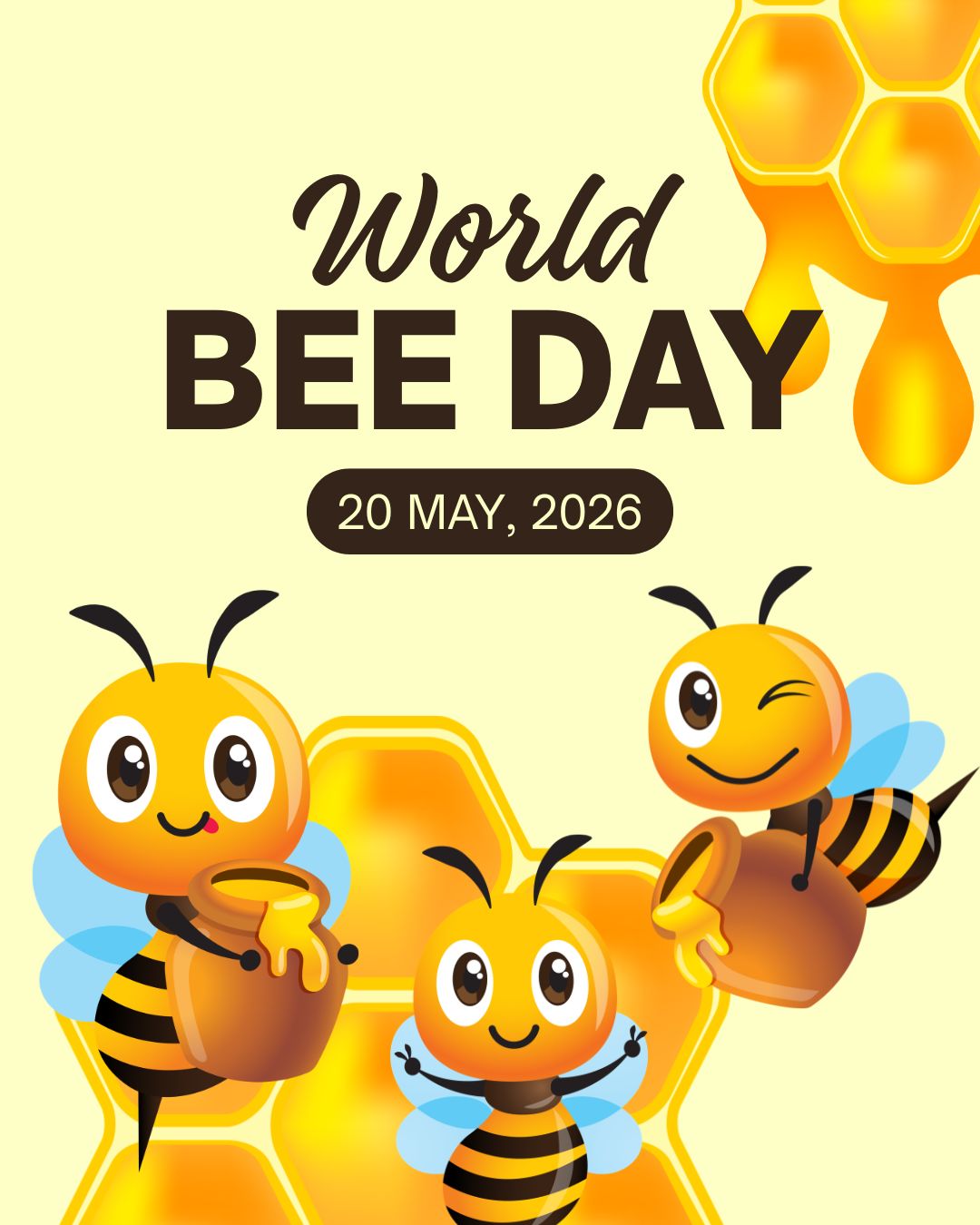
World Bee Day 2026 will be observed on Wednesday, May 20, 2026.
The day is celebrated annually to spread awareness about the importance of bees and other pollinators in maintaining healthy ecosystems and food security across the world.
World Bee Day 2026 Theme
The Theme for World Bee Day 2026 is “Bee together for people and the planet. A partnership that sustains us all”. This theme highlights the vital, enduring relationship between humans, bees, and the environment, emphasizing the need for collaborative action to protect pollinators.
History of World Bee Day
World Bee Day was officially established by the United Nations in 2017 after a proposal from Slovenia. The first global celebration took place in 2018.
The date, May 20, was chosen to honor Anton Janša, who was born on this day in 1734. Anton Janša is widely recognized as one of the pioneers of modern beekeeping. He emphasized the importance of caring for bees and understanding their behavior long before environmental conservation became a global movement.
The main goal of World Bee Day is to raise awareness about:
- The importance of pollinators
- Threats faced by bees
- Sustainable beekeeping practices
- Global food security
- Biodiversity conservation
Today, countries, schools, environmental groups, farmers, and communities around the world participate in activities that encourage people to protect bees and natural habitats.
Why Are Bees Important?
Bees are among the world’s most important pollinators. Pollination is the process of transferring pollen from one flower to another, allowing plants to reproduce and produce fruits, vegetables, and seeds.
Bees Help Produce Food
A significant portion of the world’s food crops depend on pollinators like bees. Many nutritious foods we enjoy every day rely on bee pollination, including:
- Apples
- Almonds
- Strawberries
- Blueberries
- Cucumbers
- Watermelons
- Coffee
- Sunflowers
Bees not only improve crop quality but also increase agricultural productivity.
Bees Support Biodiversity
Bees are essential for maintaining biodiversity. They help flowering plants reproduce, which supports forests, grasslands, and wildlife habitats.
When bees pollinate plants:
- Birds receive food and shelter
- Animals benefit from healthy ecosystems
- Soil quality improves
- Natural environments remain balanced
In simple words, bees help keep nature alive and functioning properly.
Different Types of Bees
Many people think all bees are the same, but there are thousands of bee species worldwide.
Honey Bees
Honey bees are the most well-known pollinators. They live in colonies and produce honey and beeswax.
Bumblebees
Bumblebees are larger and fuzzier than honey bees. They are excellent pollinators and can work in colder temperatures.
Solitary Bees
Unlike honey bees, solitary bees live alone. Many solitary bee species are extremely efficient pollinators.
Stingless Bees
Found mainly in tropical regions, stingless bees also contribute significantly to pollination and honey production.
Each bee species plays a unique role in supporting ecosystems and agriculture.
Major Threats Facing Bees Today
Unfortunately, bee populations around the world are declining rapidly. Scientists and environmental experts warn that pollinator loss could seriously affect food systems and biodiversity.
Climate Change
Changing temperatures, droughts, floods, and unusual weather patterns disrupt flowering seasons and reduce food sources for bees.
Habitat Loss
Urbanization, deforestation, and industrial farming destroy natural habitats where bees live and gather nectar.
Harmful Pesticides
Certain pesticides can damage bees’ nervous systems, weaken colonies, and reduce their ability to navigate and reproduce.
Pollution
Air pollution affects plants and flowers, making it harder for bees to locate food sources.
Diseases and Parasites
Bees are vulnerable to pests, parasites, and diseases that can wipe out entire colonies.
These threats show why global conservation efforts are urgently needed.
What Happens If Bees Disappear?
The disappearance of bees would have serious consequences for humans and nature.
Reduced Food Production
Many fruits, vegetables, and nuts would become scarce or expensive due to poor pollination.
Loss of Biodiversity
Plants that depend on pollinators may disappear, affecting animals and ecosystems connected to them.
Economic Impact
Farmers and agricultural industries would suffer major financial losses if pollination decreases.
Environmental Imbalance
Healthy ecosystems rely on pollinators. A decline in bees can disrupt the natural balance of the environment.
Protecting bees is not just about saving insects—it is about protecting life on Earth.
How Can We Help Save Bees?
Every individual can contribute to bee conservation through small but meaningful actions.
Plant Bee-Friendly Flowers
Grow flowers such as:
- Lavender
- Sunflowers
- Marigolds
- Jasmine
- Wildflowers
These plants provide nectar and pollen for bees.
Avoid Harmful Pesticides
Use natural or organic gardening methods whenever possible.
Support Local Beekeepers
Buying local honey encourages sustainable beekeeping and supports small farmers.
Create Pollinator Gardens
Even a small balcony or backyard garden can help bees find food and shelter.
Protect Natural Habitats
Avoid cutting down flowering plants and trees unnecessarily.
Spread Awareness
Educate children, friends, and communities about the importance of bees and pollinator conservation.
Small efforts from millions of people can make a huge difference.
World Bee Day 2026 Activities
World Bee Day is celebrated through educational and environmental activities across schools, communities, and organizations.
Common activities include:
- Tree and flower planting campaigns
- Beekeeping workshops
- School awareness programs
- Honey exhibitions
- Environmental seminars
- Nature photography contests
- Social media awareness campaigns
Many environmental organizations also organize campaigns encouraging people to create pollinator-friendly spaces.
Importance of Bees in India
In India, bees play a major role in agriculture and rural livelihoods. Pollination helps improve the production of crops such as:
- Mustard
- Mangoes
- Apples
- Cardamom
- Sunflowers
- Vegetables
India is also one of the leading honey-producing countries. Beekeeping provides employment opportunities for farmers and supports the rural economy.
Interesting Facts About Bees
Here are some fascinating facts about bees:
- Bees communicate through a special movement called the “waggle dance.”
- A single bee visits thousands of flowers in one day.
- Honey never spoils when stored properly.
- Bees can recognize colors and patterns.
- There are more than 20,000 bee species worldwide.
- Worker bees are usually female.
- Bees contribute billions of dollars to global agriculture every year.
These amazing facts show how intelligent and hardworking bees truly are.
World Bee Day 2026 Inspirational Quotes
“Protect the bees, and you protect the future.”
“Small creatures can make the biggest difference.”
“When bees thrive, nature smiles.”
“Saving bees means saving biodiversity.”
Conclusion
World Bee Day 2026 is a reminder that even the smallest creatures play a massive role in sustaining life on Earth. Bees support food production, biodiversity, agriculture, and healthy ecosystems. However, rising environmental threats continue to endanger their survival.
By planting flowers, reducing pesticide use, supporting local beekeepers, and spreading awareness, everyone can contribute to protecting pollinators. Saving bees is not only about conserving nature; it is about ensuring a healthier and more sustainable future for generations to come.
FAQs About World Bee Day 2026
1. Why is World Bee Day celebrated?
World Bee Day is celebrated to raise awareness about the importance of bees and other pollinators in maintaining ecosystems and food security.
2. When is World Bee Day 2026?
World Bee Day 2026 will be observed on May 20, 2026.
3. Who started World Bee Day?
The observance was proposed by Slovenia and officially recognized by the United Nations in 2017.
4. Why are bees important?
Bees help pollinate crops, support biodiversity, and maintain healthy ecosystems.
5. What are the biggest threats to bees?
Major threats include climate change, pesticides, habitat loss, pollution, diseases, and parasites.
6. How can people help protect bees?
People can plant bee-friendly flowers, avoid harmful pesticides, support local beekeepers, and spread awareness about conservation.
7. What is the theme of World Bee Day 2026?
The Theme for World Bee Day 2026 is “Bee together for people and the planet. A partnership that sustains us all”.