


Introduction
The majestic markhor, known for its striking spiral horns and incredible mountain-climbing abilities, is one of the world’s most fascinating wild animals. Found in the rugged mountains of Central and South Asia, this rare species has become a powerful symbol of wildlife conservation and biodiversity protection.
Also Read: World Turtle Day 2026: History, Theme, Importance, Threats, and How We Can Save Turtles
The International Day of the Markhor 2026 highlights the urgent need to protect endangered mountain wildlife and raise awareness about environmental conservation across the globe.
As the world celebrates International Day of the Markhor 2026, it is important to understand the animal’s history, cultural importance, threats, conservation achievements, and how people can contribute to wildlife protection efforts.
What Is a Markhor?
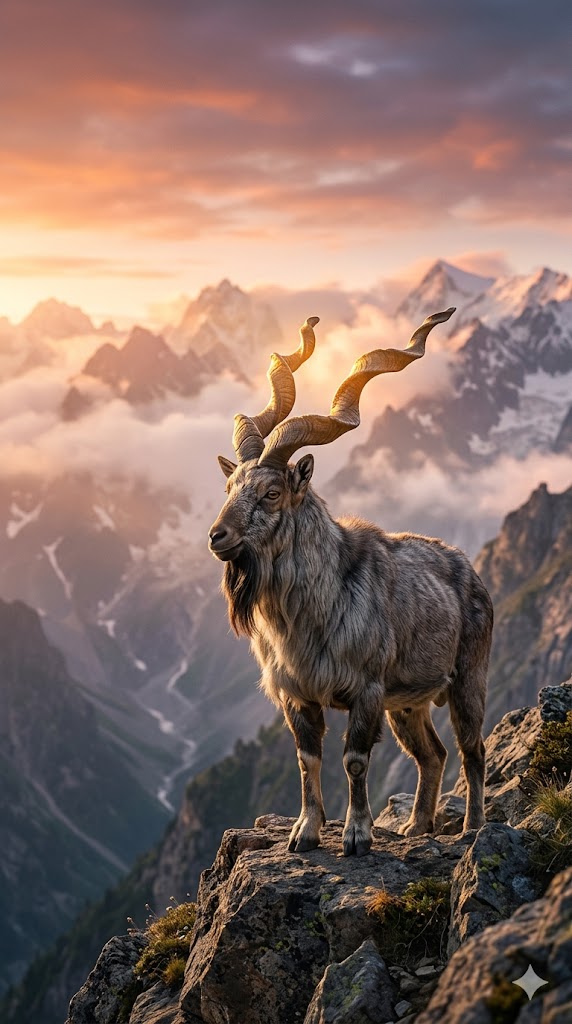
The markhor is a large wild goat species famous for its long, twisted spiral horns and strong climbing skills. Its scientific name is Capra falconeri, and it belongs to the goat family. The animal mainly lives in mountainous regions of Pakistan, Afghanistan, India, Tajikistan, and Uzbekistan.
One of the most unique features of the markhor is its impressive horns, which can grow several feet long, especially in males. The word “markhor” is believed to mean “snake eater” in Persian languages because of the twisting shape of its horns and local folklore surrounding the species.
The markhor is also recognized as the national animal of Pakistan and is considered a symbol of strength, resilience, and natural beauty.
History of International Day of the Markhor
The UN General Assembly proclaimed May 24 as the International Day of the Markhor on May 2, 2024, with the inaugural celebration in 2024. Proposed by Pakistan and eight other nations, this observance aims to raise global awareness about the conservation needs of the world’s largest wild goat.
Origin: The resolution was officially adopted by the United Nations on May 2, 2024, to emphasize the protection of the Markhor (Capra falconeri) and its mountainous habitat.
Ecological Importance: Found across Central and South Asia (including Afghanistan, India, Pakistan, Tajikistan, Turkmenistan, and Uzbekistan), the markhor plays a vital role in balancing highland ecosystems.
Conservation Success: Listed as ‘Near Threatened’ by the IUCN, the markhor was once on the brink of extinction due to poaching and habitat loss. Dedicated community-based conservation initiatives and hunting restrictions have significantly revived their populations, making them a global conservation success story.
Why Is the Markhor Important?
The markhor plays an important role in maintaining healthy mountain ecosystems. Like many grazing animals, it helps control vegetation growth and supports the natural balance of the environment.
Ecological Balance: As a herbivore, the markhor controls vegetation growth by grazing on grass, leaves, and shrubs. This influences plant diversity and soil composition, keeping the mountain ecosystem healthy.
Flagship Species: Protecting the markhor’s habitat inadvertently saves other threatened wildlife that share the same high-altitude environments, such as the musk deer and brown bear.
Economic & Tourism Value: The markhor is a major draw for eco-tourism, which boosts regional economies and fosters sustainable development for local mountain communities.
Cultural Symbolism: It holds immense cultural significance, notably serving as the national animal of Pakistan. It symbolizes strength, resilience, and is prominently featured on Pakistani currency and state emblems.
Threats Faced by the Markhor
Despite conservation progress, the markhor still faces several serious threats that endanger its survival.
1. Illegal Hunting and Poaching
Poaching remains one of the biggest dangers to the species. Markhors are often hunted for their horns, meat, and trophies. Illegal hunting significantly reduced their population in the past.
2. Habitat Destruction
Human expansion, deforestation, road construction, and agricultural activities continue to damage the markhor’s natural habitat. As mountain ecosystems shrink, the animals lose safe areas for feeding and breeding.
3. Climate Change
Climate change is affecting mountain regions through rising temperatures, changing rainfall patterns, and reduced vegetation. These environmental changes threaten the food supply and habitat stability of the markhor.
4. Human-Wildlife Conflict
In some areas, competition for grazing land creates conflicts between wildlife and local communities. Livestock grazing can reduce food availability for wild animals like the markhor.
These threats highlight the need for stronger conservation efforts and global environmental awareness.
Conservation Efforts and Success Stories
Once listed as endangered, the markhor has rebounded dramatically thanks to community-based conservation and strictly regulated ecotourism. Populations in Pakistan and Tajikistan have surged from just a few hundred in the 1990s to thousands today, successfully improving the species’ status to “Near Threatened” on the IUCN Red List.
Key Conservation Strategies
- Community-Led Protection: Locals are engaged as paid wildlife rangers and volunteer monitors to protect habitats from poachers.
- Controlled Trophy Hunting: High fees from tightly regulated international hunting permits are reinvested directly into the local communities and habitat preservation.
- Habitat Restoration: Authorities and NGOs work to reduce human-livestock conflicts by establishing grazing-free zones and mapping critical habitats.
Major Success Stories
- Tajikistan: The population exploded from roughly 700 in the 1990s to over 6,000, prompting the creation of a dedicated International Day of the Markhor celebrated annually on May 24.
- Pakistan: As the national animal of the country, markhor populations in the northern regions have more than doubled in the last three decades, establishing self-sustaining conservancies.
- India: Collaborative efforts by organizations like the Wildlife Trust of India and local herders in Kashmir have successfully mapped critical habitats, ensuring safe passage during sensitive rutting and birthing seasons.
International Day of the Markhor 2026 Activities
There are many meaningful ways individuals can participate in this global wildlife awareness observance.
Raise Awareness on Social Media
People can share facts, photos, and educational content about markhors and wildlife conservation.
Support Wildlife Organizations
Donating to or volunteering with conservation groups helps support efforts to protect endangered species and habitats.
Teach Children About Wildlife
Schools and families can organize educational activities to teach children about biodiversity and environmental responsibility.
Visit Wildlife Sanctuaries
Exploring protected wildlife areas responsibly can increase appreciation for nature and conservation efforts.
Reduce Environmental Harm
Simple actions like reducing waste, saving water, and supporting eco-friendly practices can help protect natural ecosystems.
Every small effort contributes to a larger movement for wildlife conservation.
Amazing Facts About the Markhor
- The markhor is the national animal of Pakistan.
- Its spiral horns can grow over 5 feet long.
- Markhors are excellent climbers and can navigate steep mountain cliffs easily.
- The animal mainly lives in high mountainous regions.
- The name “markhor” is believed to mean “snake eater.”
- Male markhors have much larger horns than females.
- The species is known for its thick coat, which helps it survive cold mountain winters.
Importance of Wildlife Conservation
The International Day of the Markhor 2026 is also a reminder of the larger importance of wildlife conservation. Every species contributes to ecological balance, biodiversity, and the health of the environment.
When endangered animals disappear, ecosystems become weaker and less stable. Protecting wildlife helps preserve forests, rivers, soil quality, and natural resources that humans also rely on.
Conservation is not only about saving animals; it is about securing a sustainable future for the entire planet.
Conclusion
The International Day of the Markhor 2026 celebrates one of nature’s most remarkable mountain animals while spreading awareness about the importance of protecting endangered wildlife. The markhor’s journey from declining populations to gradual recovery proves that conservation efforts can truly make a difference.
This special observance encourages people worldwide to respect nature, support biodiversity protection, and take action against environmental destruction. By protecting species like the markhor, humanity also protects forests, ecosystems, and the natural balance that sustains life on Earth.
The markhor stands as a symbol of resilience, hope, and the power of conservation — reminding us that every species matters in the shared future of our planet.
FAQs About International Day of the Markhor 2026
1. What is International Day of the Markhor?
International Day of the Markhor is a global observance dedicated to raising awareness about the conservation and protection of the endangered markhor species and mountain ecosystems.
2. Why is the markhor important?
The markhor plays an important role in maintaining ecological balance and is also culturally significant in several countries, especially Pakistan.
3. Where is the markhor found?
Markhors are mainly found in mountainous regions of Pakistan, Afghanistan, India, Tajikistan, and Uzbekistan.
4. Why is the markhor endangered?
The species has faced threats from illegal hunting, habitat destruction, climate change, and human-wildlife conflict.
5. What does the word “markhor” mean?
The word “markhor” is often interpreted as “snake eater” because of local legends and the twisting shape of its horns.
6. How can people help protect markhors?
People can support wildlife conservation organizations, spread awareness, reduce environmental harm, and promote biodiversity protection efforts.
7. Why is wildlife conservation important?
Wildlife conservation helps protect biodiversity, maintain ecological balance, and preserve natural resources for future generations.