


Introduction
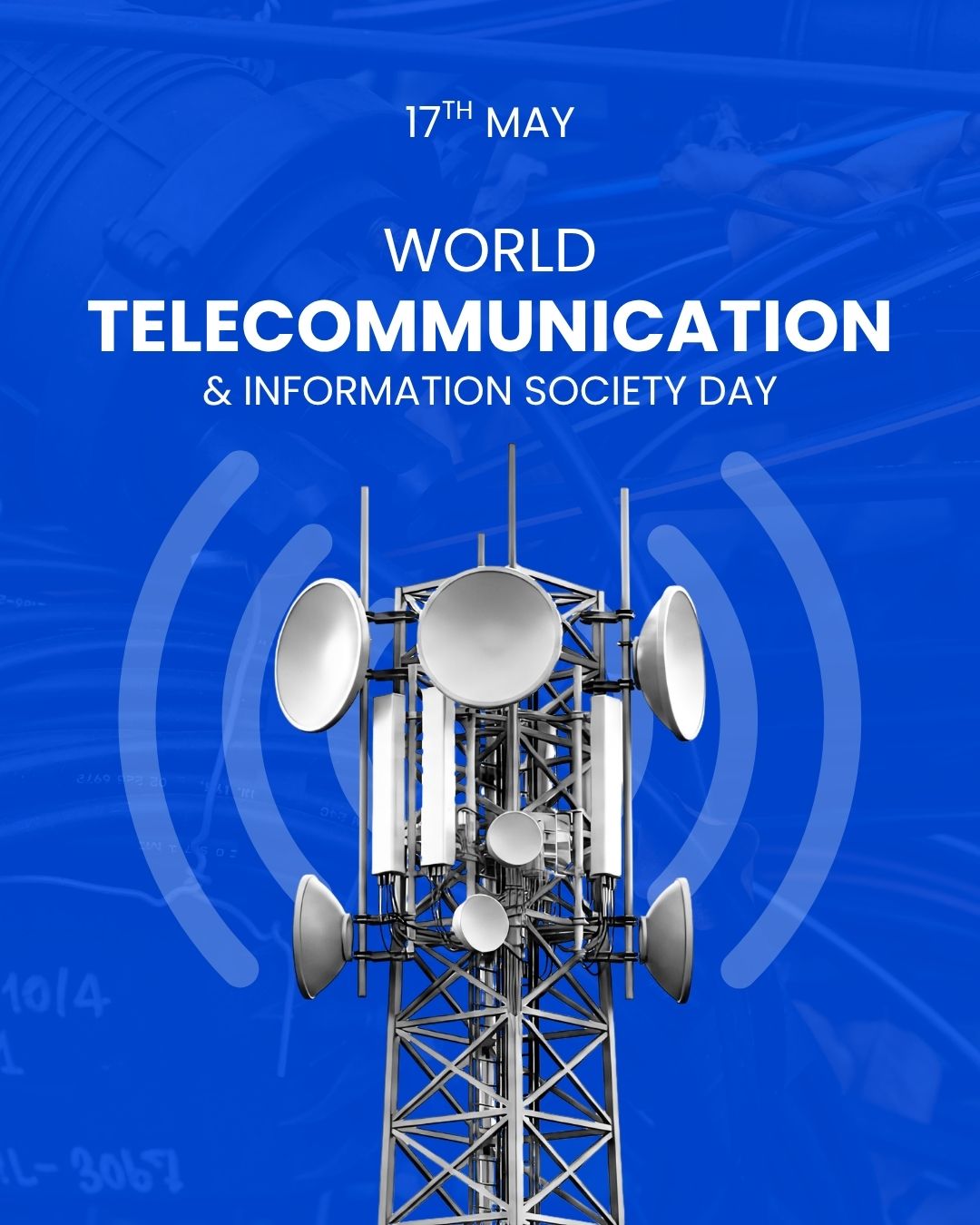
Every year on 17 May, the world celebrates World Telecommunication and Information Society Day to recognize the powerful role of communication technology in shaping modern society. From smartphones and satellite networks to artificial intelligence and high-speed internet, telecommunications have completely transformed the way people connect, learn, work, and live.
Also Read: International Day of Light 2026: History, Theme, Importance, and How the World Celebrates It
World Telecommunication and Information Society Day 2026 is not only a celebration of technological progress but also a reminder that millions of people around the world still lack reliable internet access and digital opportunities.
The day encourages governments, organizations, and communities to work together toward a more connected, inclusive, and digitally empowered future.
What is World Telecommunication and Information Society Day?
World Telecommunication and Information Society Day is observed annually on 17 May to raise awareness about the importance of communication technologies and their impact on society and the global economy.
The day highlights how digital technologies can improve education, healthcare, business, governance, and social development. It also focuses on reducing the digital divide between developed and developing regions.
History and Origin of WTISD
The history of World Telecommunication and Information Society Day dates back to 1865, when the International Telecommunication Union was founded. The purpose of the organization was to improve international communication networks and cooperation between countries.
Originally, the observance was known as “World Telecommunication Day.” Later, in 2006, the United Nations decided to combine it with “World Information Society Day” to emphasize the growing importance of digital information and internet technologies in modern society.
Since then, the day has been celebrated globally as World Telecommunication and Information Society Day.
The date 17 May was chosen because it marks the signing of the first International Telegraph Convention in 1865. What began with telegraph communication has now evolved into an age of 5G networks, cloud computing, artificial intelligence, and smart technologies.
World Telecommunication and Information Society Day 2026 Theme
The theme for World Telecommunication and Information Society Day 2026 is “Digital lifelines: Strengthening resilience in a connected world“.
The theme highlights the need for secure, reliable digital infrastructure that is “resilient by design” to prevent essential systems from failing.
Importance of Telecommunication in Modern Society
Telecommunication has become one of the most essential parts of human life. It affects nearly every sector, including education, healthcare, business, entertainment, banking, transportation, and governance.
1. Faster Global Communication
Modern telecommunication allows people to communicate instantly through:
- Mobile phones
- Video calls
- Emails
- Social media
- Messaging applications
Families, businesses, and governments can now stay connected regardless of distance.
2. Revolutionizing Education
Digital communication technologies have transformed education across the world. Students can attend virtual classes, access online libraries, and learn new skills through educational platforms.
3. Improving Healthcare Services
Telecommunication has significantly improved healthcare through telemedicine and online consultations. Doctors can now guide patients remotely, reducing the need for travel and making healthcare accessible in rural areas.
4. Supporting Businesses and the Economy
Modern businesses rely heavily on communication technologies for:
- Online transactions
- Remote work
- Digital marketing
- Virtual meetings
- E-commerce
5. Disaster Management and Emergency Response
Communication networks play a critical role during natural disasters and emergencies. Governments and rescue teams use telecommunication systems for:
- Emergency alerts
- Weather warnings
- Rescue coordination
- Public safety information
Fast communication can reduce risks and save lives during crises.
Understanding the Digital Divide
Despite major technological advancements, millions of people around the world still lack internet access and digital literacy. This gap is known as the “digital divide.”
The digital divide exists because of:
- Poor infrastructure
- High internet costs
- Lack of digital education
- Limited electricity access
- Rural connectivity challenges
People living in remote areas often struggle to benefit from online education, digital banking, telemedicine, and employment opportunities. Reducing the digital divide is one of the main goals of World Telecommunication and Information Society Day.
Role of Telecommunication in Sustainable Development
Telecommunication supports global development in many ways and contributes to the achievement of the United Nations Sustainable Development Goals (SDGs).
Education for All
Digital platforms help provide quality education to students regardless of location.
Better Healthcare
Online healthcare systems improve medical access and awareness.
Economic Growth
Digital businesses and internet-based services create jobs and support entrepreneurship.
Smart Agriculture
Farmers can receive weather updates, market prices, and modern farming information through mobile technology.
Environmental Monitoring
Communication satellites and digital systems help monitor climate change, natural disasters, and environmental conditions.
Technology has the power to build smarter and more sustainable societies.
India’s Progress in Telecommunications
India has become one of the fastest-growing digital economies in the world. Over the past decade, the country has made remarkable progress in expanding internet and mobile connectivity.
Major initiatives include:
- Digital India
- BharatNet Project
- Expansion of 5G services
- Online governance systems
- Digital payment platforms like UPI
These developments have improved communication, financial inclusion, education, and public services across the country.
Challenges Facing the Digital World
While technology offers many benefits, it also creates new challenges that society must address responsibly.
Cybersecurity Threats
Hacking, cybercrime, and online fraud are becoming major global concerns.
Data Privacy Issues
Protecting personal information has become increasingly important in the digital age.
Spread of Misinformation
Fake news and misleading content can spread quickly through online platforms.
Digital Addiction
Excessive use of smartphones and social media may affect mental and physical health.
Unequal Access
Many communities still lack affordable internet services and digital resources.
Addressing these challenges requires cooperation between governments, technology companies, and citizens.
Future of Telecommunication Technology
The future of communication technology looks highly innovative and exciting. Emerging technologies are expected to reshape how people interact and access information.
6G Technology
Future wireless networks may provide ultra-fast communication speeds and improved connectivity.
Artificial Intelligence
AI-powered systems can improve customer support, automation, and smart communication networks.
Satellite Internet
Satellite-based internet services can help connect remote regions worldwide.
Smart Cities
Digital technologies will help cities manage traffic, energy, safety, and public services more efficiently.
Virtual and Augmented Reality
Future communication may include immersive virtual experiences for education, work, and entertainment.
As technology evolves, responsible and inclusive innovation will become increasingly important.
World Telecommunication and Information Society Day 2026 Activities
World Telecommunication and Information Society Day is celebrated in many countries through various activities and awareness programs.
Common celebrations include:
- Technology conferences
- Webinars and seminars
- Digital literacy campaigns
- School competitions
- Innovation exhibitions
- Government awareness programs
- Social media campaigns
These activities encourage people to understand the importance of communication technology in building a connected world.
Interesting Facts About Telecommunication
- The first telegraph message was sent in 1844.
- More than five billion people worldwide use the internet today.
- Smartphones have become one of the most widely used technologies in history.
- The International Telecommunication Union was founded in 1865.
- 5G technology is transforming communication with faster internet speeds and lower latency.
Conclusion
World Telecommunication and Information Society Day reminds the world that communication technology is more than just convenience—it is a powerful tool for development, inclusion, education, and innovation.
As societies continue to embrace digital transformation, it becomes increasingly important to ensure equal access to technology for everyone. Bridging the digital divide, improving cybersecurity, and promoting responsible innovation will help create a more connected and empowered world.
FAQs About World Telecommunication and Information Society Day 2026
1. When is World Telecommunication and Information Society Day celebrated?
It is celebrated every year on 17 May.
2. Who organizes WTISD?
The observance is organized by the International Telecommunication Union (ITU).
3. Why is World Telecommunication and Information Society Day important?
The day highlights the role of communication technology in improving lives and promoting digital inclusion.
4. What is the digital divide?
The digital divide refers to the gap between people who have internet access and those who do not.
5. How does telecommunication help society?
Telecommunication supports education, healthcare, business, emergency services, and global communication.
6. What are some modern telecommunication technologies?
Examples include 5G networks, satellite internet, artificial intelligence, cloud computing, and IoT devices.
7. How is India improving digital connectivity?
India is expanding internet access through initiatives like Digital India, BharatNet, and 5G services.