


Introduction
Every year, thousands of animal and plant species move closer to extinction due to habitat destruction, climate change, pollution, and illegal hunting. From majestic tigers roaming forests to sea turtles swimming through oceans, wildlife across the globe is facing unprecedented threats.
Also Read: International Day of Plant Health 2026: Theme, History, Importance, and Celebration
This is why National Endangered Species Day 2026 serves as an important reminder that protecting endangered species is not just about saving animals—it is about preserving the balance of life on Earth.
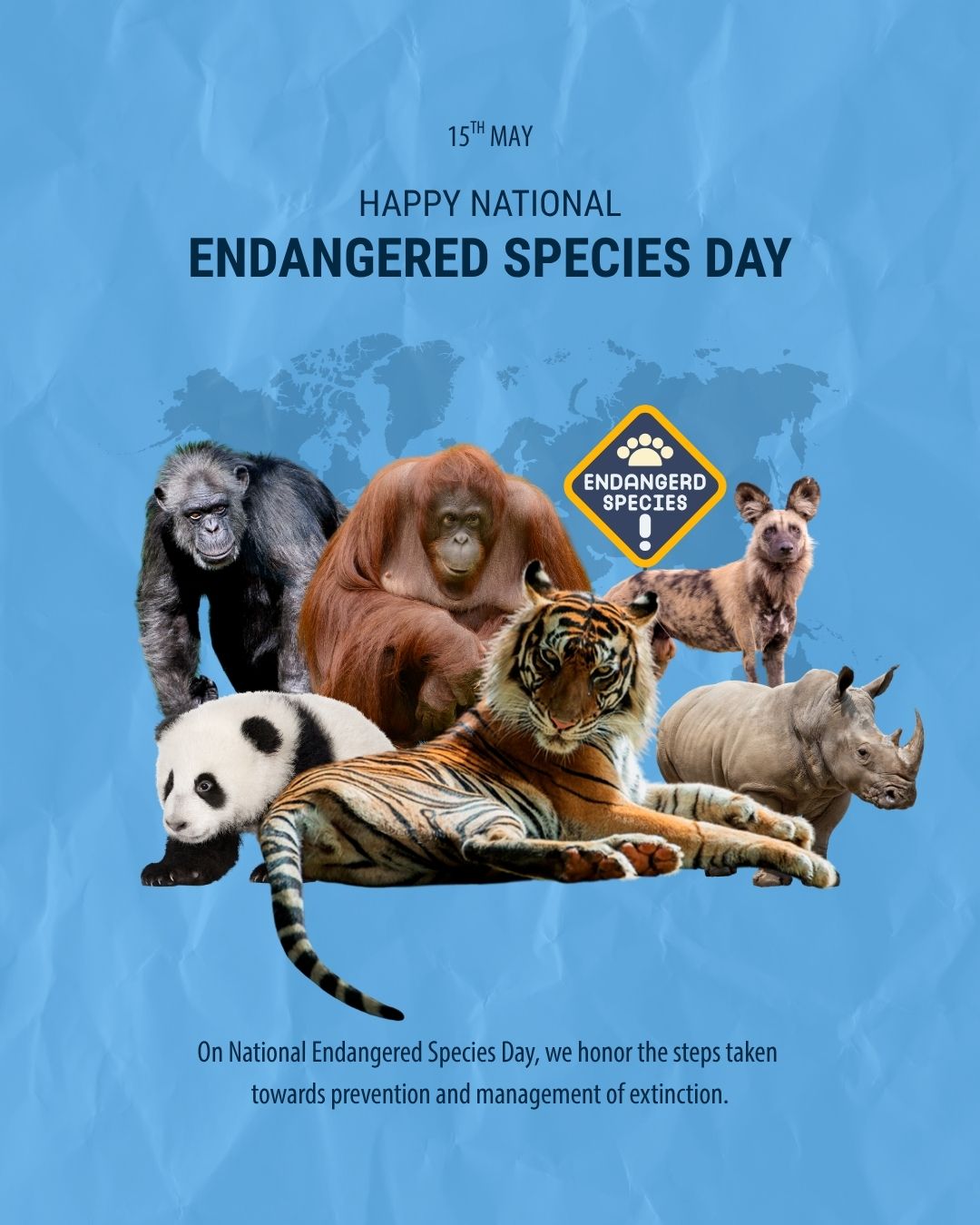
Observed annually on the third Friday of May, National Endangered Species Day spreads awareness about wildlife conservation and encourages people to take action for the protection of vulnerable species. In 2026, this meaningful observance falls on May 15, 2026.
What Is National Endangered Species Day?
National Endangered Species Day is an environmental awareness observance dedicated to protecting species that are at risk of extinction. The day encourages people to learn more about endangered animals and plants, understand the dangers they face, and participate in conservation activities.
The observance reminds people that every species plays a valuable role in maintaining healthy ecosystems. Losing even one species can affect food chains, forests, oceans, and human life itself.
When Is National Endangered Species Day 2026?
National Endangered Species Day is observed every year on the third Friday of May.
In 2026, this meaningful observance falls on May 15, 2026.
National Endangered Species Day 2026 Theme
National Endangered Species Day 2026 Theme, focuses on Championing the Endangered Species Act, highlighting the 21st annual celebration of protective laws and habitat conservation. The day emphasizes local, national, and global actions to protect endangered wildlife and celebrate species recovery.
History of National Endangered Species Day
National Endangered Species Day was created by the Endangered Species Coalition, an environmental advocacy organization committed to protecting wildlife and habitats.
The observance was established to:
- Raise awareness about endangered species
- Encourage conservation efforts
- Educate people about environmental protection
- Celebrate wildlife success stories
Over the years, the day has gained global attention as concerns about climate change, deforestation, and biodiversity loss continue to increase.
Why Endangered Species Matter
Every living species plays a unique role in nature. When one species disappears, ecosystems become unbalanced, affecting plants, animals, and even humans.
1. Maintaining Ecological Balance
Predators like tigers and wolves help control animal populations, while insects such as bees support pollination. Without these species, ecosystems can collapse.
2. Supporting Human Survival
Healthy ecosystems provide:
- Clean air
- Fresh water
- Food sources
- Medicines
- Climate regulation
3. Preserving Biodiversity
Biodiversity refers to the variety of life on Earth. Greater biodiversity helps ecosystems remain stable and resilient against environmental changes.
4. Cultural and Economic Importance
Wildlife tourism supports local economies in many countries. Animals also hold cultural and spiritual importance in different societies.
Protecting endangered species means protecting the future of our planet and future generations.
Major Causes of Species Extinction
Many species are becoming endangered due to human activities and environmental changes.
Habitat Loss
Deforestation, urban expansion, mining, and agriculture destroy forests, wetlands, and grasslands where animals live.
Climate Change
Rising global temperatures are affecting ecosystems worldwide. Melting ice caps threaten polar species, while rising sea levels impact marine life and coastal habitats.
Pollution
Plastic waste, chemical pollution, and oil spills harm wildlife on land and in oceans. Marine animals often mistake plastic for food, which can lead to injury or death.
Illegal Wildlife Trade and Poaching
Many endangered animals are hunted for:
- Fur
- Skin
- Horns
- Traditional medicines
- Exotic pet trade
Poaching remains one of the biggest threats to species like rhinos, elephants, and pangolins.
Overfishing and Hunting
Unsustainable fishing and hunting practices reduce wildlife populations faster than they can recover naturally.
Most Endangered Animals in 2026
Several species continue to face serious threats around the world.
Tigers
Tigers are endangered mainly because of habitat destruction and illegal poaching. Conservation projects in India and other countries have helped improve tiger populations, but challenges still remain.
Red Pandas
Found in the Himalayan forests, red pandas are threatened by deforestation and climate change.
Orangutans
Orangutans lose their habitats due to palm oil plantations and illegal logging in Southeast Asia.
Sea Turtles
Plastic pollution, fishing nets, and coastal development threaten sea turtle populations globally.
Snow Leopards
These rare mountain cats face habitat loss and illegal hunting in Central and South Asia.
Black Rhinos
Poaching for rhino horns continues to endanger black rhinos despite strict protection laws.
Endangered Species in India
India is home to rich biodiversity and many endangered species.
Bengal Tiger
India has made significant progress through Project Tiger, helping increase tiger numbers in protected reserves.
Asiatic Lion
Asiatic lions are found mainly in Gujarat’s Gir Forest and remain vulnerable due to limited habitat.
Great Indian Bustard
This critically endangered bird faces threats from habitat destruction and power lines.
Gangetic Dolphin
India’s national aquatic animal is endangered because of river pollution and habitat degradation.
Indian Elephant
Habitat fragmentation and human-animal conflict continue to threaten elephant populations.
National Endangered Species Day 2026 Activities
People celebrate the day through various educational and environmental activities.
Wildlife Awareness Campaigns
Organizations conduct awareness drives to educate people about endangered species and conservation.
School and College Programs
Students participate in:
- Essay competitions
- Poster-making contests
- Wildlife quizzes
- Nature workshops
Zoo and Sanctuary Events
Zoos and wildlife parks organize educational tours and animal conservation programs.
Tree Plantation Drives
Planting trees helps restore habitats for birds, insects, and animals.
Social Media Awareness
People share conservation messages, wildlife facts, and environmental campaigns online to spread awareness globally.
How You Can Help Protect Endangered Species
Every individual can contribute to wildlife conservation through small but meaningful actions.
Reduce Plastic Use
Using reusable products helps reduce pollution in oceans and forests.
Support Conservation Organizations
Donating to wildlife conservation groups helps fund rescue and protection programs. Organizations like World Wildlife Fund and International Union for Conservation of Nature work globally to protect biodiversity.
Avoid Products Made From Wildlife
Never buy products made from ivory, fur, exotic skins, or endangered animals.
Plant Trees
Trees provide shelter and food for many species.
Spread Awareness
Educating others about endangered species can inspire collective action.
Practice Sustainable Living
Saving water, reducing waste, and supporting eco-friendly products help protect ecosystems.
Role of Governments and Environmental Organizations
Governments and conservation groups play a major role in protecting wildlife.
- Wildlife protection laws
- Protected national parks
- Breeding programs
- Anti-poaching patrols
- Habitat restoration projects
Organizations like United Nations Environment Programme also support global environmental conservation initiatives.
Inspiring Wildlife Conservation Success Stories
Although many species remain endangered, several conservation efforts have shown positive results.
Tiger Conservation in India
India’s tiger conservation programs have helped increase tiger populations through protected reserves and anti-poaching measures.
Giant Panda Recovery
China’s long-term conservation efforts improved giant panda populations, leading to their status changing from “endangered” to “vulnerable.”
Sea Turtle Protection
Conservation projects on beaches worldwide have helped protect turtle nests and increase hatchling survival rates.
These success stories prove that conservation efforts can make a real difference.
Conclusion
National Endangered Species Day 2026 is a global call to protect Earth’s precious wildlife before it is too late. Every species, from the smallest insect to the largest whale, plays a role in keeping ecosystems healthy and balanced.
Human activities have pushed many animals and plants toward extinction, but collective action can still create positive change. Through awareness, conservation programs, sustainable living, and environmental responsibility, we can help protect endangered species and preserve biodiversity for future generations.
Protecting wildlife today means protecting the future of our planet tomorrow.
FAQs About National Endangered Species Day 2026
1. When is National Endangered Species Day 2026?
National Endangered Species Day 2026 will be observed on May 15, 2026.
2. Why is National Endangered Species Day celebrated?
The day raises awareness about endangered animals and promotes wildlife conservation efforts.
3. What causes species to become endangered?
Major causes include habitat destruction, climate change, pollution, poaching, and illegal wildlife trade.
4. Which animals are critically endangered?
Some critically endangered animals include black rhinos, orangutans, snow leopards, and the Great Indian Bustard.
5. How can students help protect endangered species?
Students can spread awareness, plant trees, reduce plastic use, and participate in environmental programs.
6. What is biodiversity?
Biodiversity refers to the variety of plants, animals, and living organisms found on Earth.
7. Why is wildlife conservation important?
Wildlife conservation protects ecosystems, supports biodiversity, and helps maintain environmental balance.