


Introduction
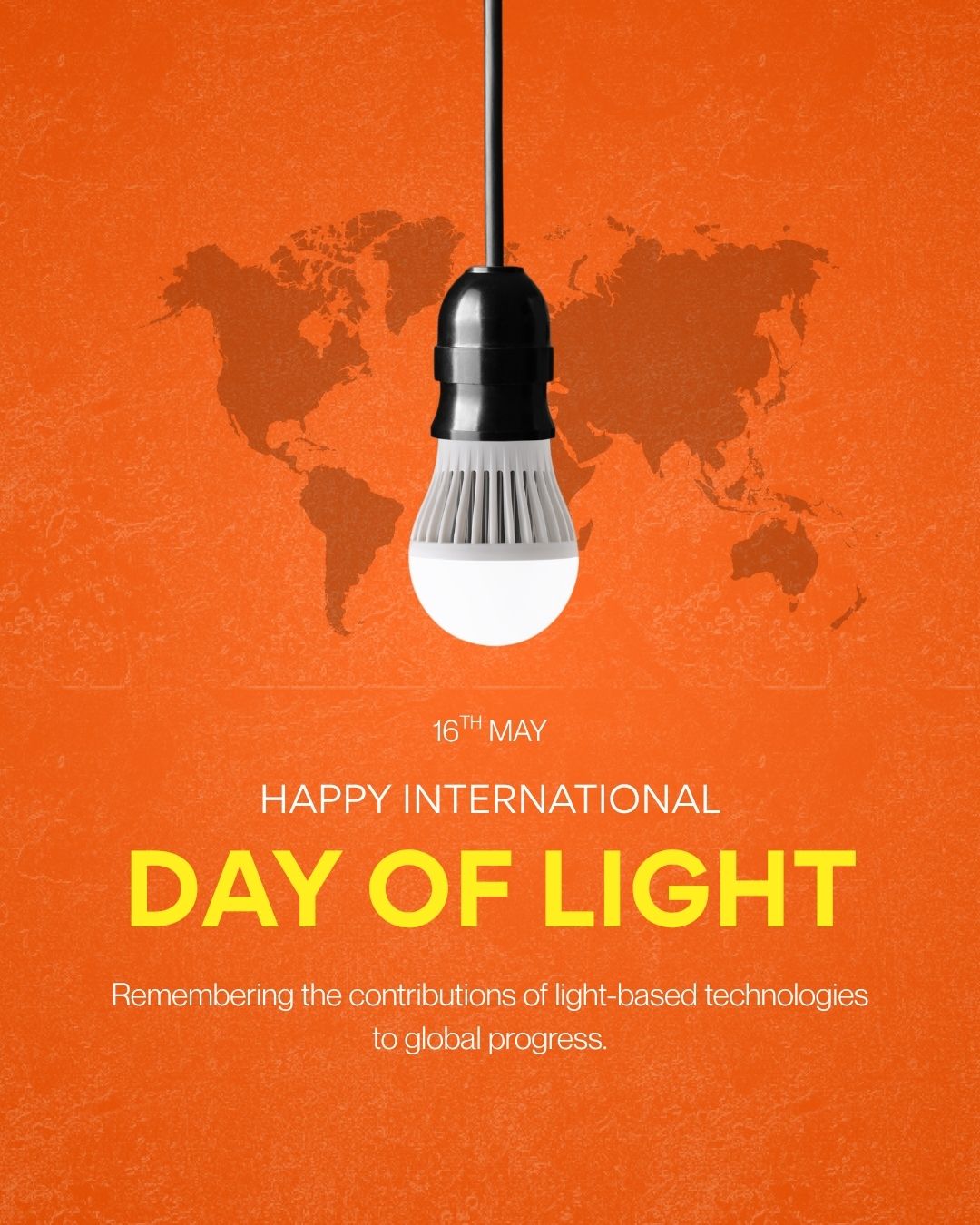
The International Day of Light is celebrated every year on May 16 to recognize the importance of light in science, education, culture, communication, medicine, and sustainable development. From the sunlight that supports life on Earth to advanced laser technologies used in healthcare and the internet, light plays a powerful role in shaping the modern world.
Also Read: National Technology Day 2026: History, Theme, Significance & Celebration in India
As the world continues to focus on clean energy, digital communication, and scientific advancement, International Day of Light 2026 becomes even more meaningful. Let’s explore its history, significance, theme, celebrations, and why this special observance matters today more than ever.
What Is International Day of Light?
International Day of Light is a global observance dedicated to the appreciation of light and its applications in various fields. It highlights how light-based technologies improve human lives and contribute to sustainable development worldwide.
Light affects almost every aspect of human civilization. Whether it is electricity lighting homes, lasers performing surgeries, fiber optics carrying internet data, or solar panels generating clean energy, light is deeply connected to progress and development.
Why Is International Day of Light Celebrated on May 16?
May 16 was chosen to commemorate a major scientific achievement—the first successful operation of a laser by physicist Theodore Maiman in 1960.
This invention transformed modern science and technology. The date symbolizes the extraordinary impact of scientific discoveries involving light and their contribution to society.
History of International Day of Light
The history of International Day of Light is closely connected to the success of the International Year of Light 2015. During that global initiative, scientists, educators, and organizations worldwide celebrated the role of light in improving human life.
Following its success, UNESCO officially established International Day of Light in 2017.
The first celebration took place on May 16, 2018, and since then, countries around the world have participated through educational programs, exhibitions, workshops, and scientific activities.
Over the years, the day has become an important platform for discussing how light-based technologies can solve global challenges.
International Day of Light 2026 Theme
The theme for International Day of Light 2026 is “Light for a Sustainable Future”. This theme highlights the critical role of light-based technologies in driving green manufacturing, low-energy lighting, and sustainable agriculture.
Importance of Light in Everyday Life
Light is essential for life on Earth. Without sunlight, plants could not grow, ecosystems would collapse, and humans could not survive. But beyond nature, light also powers the technologies people use every day.
Sunlight and Human Health
Sunlight helps the human body produce Vitamin D, which supports healthy bones and immunity. Exposure to natural light also improves mood, sleep patterns, and mental well-being.
Lighting Homes and Cities
Electric lighting transformed civilization by allowing people to work, study, travel, and communicate after sunset. Modern LED lighting systems are now helping cities save energy and reduce electricity consumption.
Communication and the Internet
Fiber-optic cables use light to transmit internet data at extremely high speeds. This technology powers:
- Video calls
- Online education
- Social media
- Digital banking
- Streaming services
Without light-based communication systems, the modern digital world would not exist.
Medical Applications
Doctors use lasers and imaging technologies for:
- Surgeries
- Cancer treatment
- Eye correction procedures
- Medical scanning
- Diagnostic testing
Role of Light in Science and Technology
Light has transformed scientific discovery and technological innovation in remarkable ways.
Lasers and Precision Technology
Lasers are one of the most important inventions involving light. They are used in industries ranging from medicine to manufacturing.
Examples include:
- Laser eye surgery
- Industrial cutting machines
- Scientific experiments
- Space communication
Solar Energy
Solar panels convert sunlight into electricity, providing clean and renewable energy. Solar technology is helping reduce dependence on fossil fuels and lowering carbon emissions globally.
Astronomy and Space Exploration
Scientists use telescopes and optical instruments to study stars, galaxies, and planets. Light from distant celestial bodies helps researchers understand the universe.
Artificial Intelligence and Optical Computing
Modern AI systems and data centers increasingly rely on optical communication technologies for faster and more efficient processing.
Importance of Light in Sustainable Development
One of the biggest reasons International Day of Light matters today is its connection to sustainable development.
Energy Efficiency
LED bulbs consume much less electricity compared to traditional lighting systems. This helps households save money while reducing environmental impact.
Clean and Renewable Energy
Solar power is becoming one of the fastest-growing renewable energy sources in the world.
Supporting Education
In regions without reliable electricity, solar-powered lamps help students study at night. Access to lighting improves educational opportunities and quality of life.
Smart Cities and Innovation
Modern cities use smart lighting systems to reduce energy waste and improve urban infrastructure.
International Day of Light 2026 Activities
People across the world celebrate International Day of Light through educational and awareness activities.
Science Exhibitions
Schools and universities organize science fairs featuring:
- Prism experiments
- Laser demonstrations
- Solar energy projects
- Optical illusions
Public Awareness Campaigns
Organizations conduct campaigns about:
- Energy conservation
- Sustainable lighting
- Renewable energy
- Scientific education
Astronomy Programs
Many communities host telescope observation events where people can explore planets, stars, and galaxies.
Art and Photography Events
Artists and photographers use light creatively in exhibitions and competitions, showing the cultural and artistic importance of illumination.
Online Events and Workshops
Digital webinars and virtual seminars allow experts and students from different countries to discuss scientific innovations involving light.
How Students Can Celebrate International Day of Light 2026
Students play an important role in spreading awareness about science and innovation.
Here are some interesting activities students can participate in:
- Poster-making competitions
- Speech and essay writing contests
- Solar energy demonstrations
- Science quizzes
- Light and shadow experiments
- Photography contests
- Educational presentations
Teachers can also organize classroom discussions about:
- Renewable energy
- Optical science
- Scientific discoveries
- Famous physicists and inventors
Such activities inspire curiosity and encourage scientific thinking among young learners.
Fun Facts About Light
Here are some fascinating facts that make light even more interesting:
- Sunlight takes around 8 minutes and 20 seconds to reach Earth.
- Light travels at approximately 300,000 kilometers per second.
- Rainbows form when light bends and reflects through water droplets.
- The human eye can detect millions of different colors.
- Lasers are used in surgeries, smartphones, and supermarket scanners.
- Fiber optics use light to carry internet signals across oceans.
These facts show how extraordinary and powerful light truly is.
International Day of Light 2026 Inspirational Quotes
“Light is the source of life, knowledge, and hope.”
“Where there is light, there is possibility.”
“Science helps humanity understand the power of light and use it wisely.”
Such quotes remind people that light symbolizes positivity, discovery, and progress.
Why International Day of Light 2026 Matters More Than Ever
In today’s rapidly changing world, light-based technologies are becoming increasingly important.
Countries are focusing on:
- Renewable energy
- Climate-friendly solutions
- Smart communication systems
- Medical innovation
- Sustainable urban development
As global challenges like climate change and energy shortages continue, scientific innovation involving light can help create practical and sustainable solutions.
Conclusion
The International Day of Light 2026 is a celebration of innovation, knowledge, and hope. Light has transformed human civilization in countless ways, from enabling communication and healthcare to powering clean energy solutions and scientific discoveries.
As people across the globe come together to celebrate this day, the message remains clear: light continues to guide humanity toward progress, discovery, and positive change.
Frequently Asked Questions (FAQs)
- When is International Day of Light 2026 celebrated?
International Day of Light 2026 will be celebrated on May 16. - Who organizes International Day of Light?
The observance is organized by UNESCO. - Why is International Day of Light important?
It raises awareness about the importance of light in science, medicine, communication, education, and sustainable development. - Why was May 16 chosen for this observance?
May 16 marks the anniversary of the first successful laser operation by Theodore Maiman in 1960. - How can students celebrate International Day of Light?
Students can participate in science projects, awareness campaigns, poster competitions, and educational activities related to light and technology. - How does light help sustainable development?
Light technologies improve energy efficiency, support renewable energy, reduce pollution, and enhance access to education and healthcare. - What are some examples of light-based technologies?
Examples include: Lasers, Solar panels, Fiber-optic internet, LED lighting, Medical imaging systems.