


Introduction
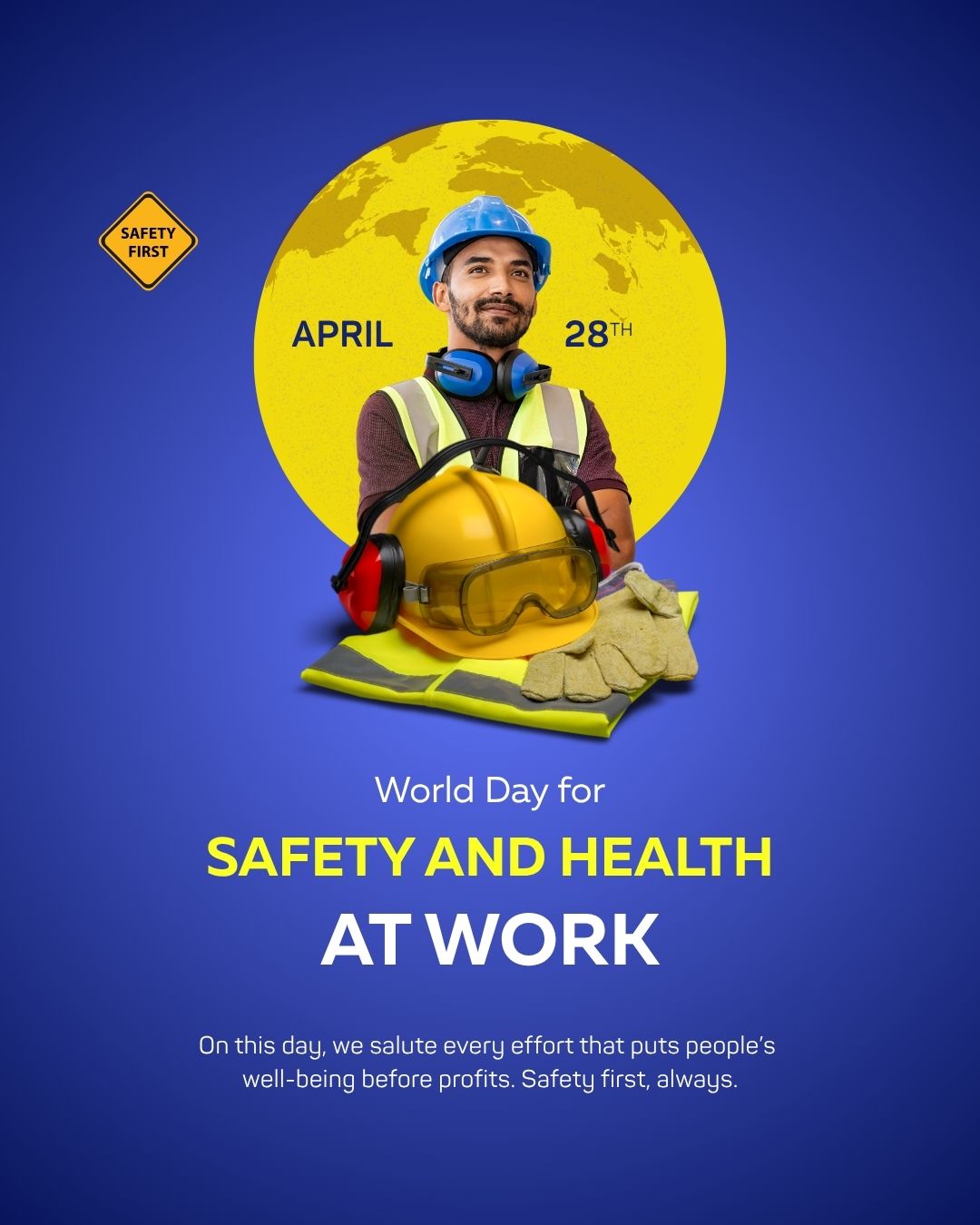
Every year on April 28, the world comes together to highlight one crucial issue that often goes unnoticed until something goes wrong—workplace safety. The World Day for Safety and Health at Work 2026 is an important global observance led by the International Labour Organization, aiming to promote safe, healthy, and decent working conditions for all.
But here’s a simple question: How safe is your workplace really?
From offices to factories, construction sites to remote work setups, safety and health risks exist everywhere. This day reminds us that preventing workplace accidents and diseases is not just a responsibility—it’s a necessity.
Also Read: World Design Day 2026: Theme, History, Importance & How It Shapes Our Lives
In 2026, as workplaces evolve with technology and changing work patterns, the need for stronger safety practices is more important than ever. Let’s explore everything you need to know about this day, its significance, and how it impacts our daily lives.
What is World Day for Safety and Health at Work?
The World Day for Safety and Health at Work is a global awareness day focused on preventing workplace injuries, illnesses, and fatalities. It encourages organizations, governments, and workers to actively create safer work environments.
The day emphasizes:
- Promoting a culture of safety
- Reducing occupational hazards
- Improving health standards at workplaces
It’s not just about avoiding accidents—it’s about building workplaces where employees feel secure, valued, and protected.
History and Origin
This important observance was established in 2003 by the International Labour Organization. The goal was to draw global attention to workplace safety and reduce the number of work-related injuries and deaths worldwide.
Interestingly, April 28 is also linked with workers’ memorial movements that honor those who lost their lives due to unsafe working conditions. Over time, the day has grown into a global campaign promoting occupational safety and health.
World Day for Safety and Health at Work 2026 Theme
The theme for the World Day for Safety and Health at Work 2026 is “Let’s ensure a healthy psychosocial working environment”. This focus highlights that mental well-being, stress management, and a supportive workplace culture are crucial to preventing occupational health hazards, accidents, and burnout.
⭐ Why Workplace Safety Matters More Than Ever
Workplace safety is not just a legal requirement—it directly impacts lives, productivity, and overall well-being.
Here’s why it matters:
1. Protects Lives
The most obvious reason is preventing injuries and fatalities. Every worker deserves to return home safely.
2. Improves Productivity
A safe environment boosts employee confidence and efficiency. When workers feel secure, they perform better.
3. Reduces Financial Loss
Accidents can lead to medical expenses, legal issues, and downtime for businesses.
4. Enhances Mental Well-being
Stress-free environments promote better mental health, reducing burnout and anxiety.
Imagine working in a place where safety is ignored—constant fear, stress, and uncertainty would affect everything. That’s why safety is not optional; it’s essential.
⚠️ Common Workplace Hazards
Workplace risks can exist in many forms, depending on the industry.
Physical Hazards
- Machinery accidents
- Slips, trips, and falls
- Noise and temperature extremes
Chemical Hazards
- Exposure to toxic substances
- Harmful fumes or dust
Ergonomic Issues
- Poor posture
- Repetitive strain injuries
Psychological Hazards
- Work stress
- Harassment
- Long working hours
Recognizing these hazards is the first step toward preventing them.
🛡️ Safety Measures and Prevention Tips
Creating a safe workplace doesn’t require complex solutions—it starts with simple, consistent practices.
Key Safety Tips:
- Provide proper training to employees
- Use personal protective equipment (PPE)
- Conduct regular safety inspections
- Encourage open communication about risks
- Promote mental health awareness
- Prepare for emergencies with drills and plans
Here’s the thing: small safety steps today can prevent major accidents tomorrow.
🏢 Role of Employers and Governments
Employers and governments play a major role in ensuring workplace safety.
Employers Should:
- Implement safety policies
- Provide training and equipment
- Conduct risk assessments
- Support employee well-being
Governments Should:
- Enforce labor laws
- Conduct inspections
- Promote awareness programs
- Set safety standards
A safe workplace is a shared responsibility—but leadership starts at the top.
👷 Role of Employees in Workplace Safety
While employers set the rules, employees must follow and support them.
Employees Can:
- Follow safety guidelines
- Report unsafe conditions
- Participate in training programs
- Use equipment properly
Safety works best when everyone is involved.
🌱 Modern Challenges in Workplace Safety
Workplaces today are very different from what they were a decade ago.
Key Challenges Include:
- Remote work risks (poor ergonomics, isolation)
- Automation and AI-related hazards
- Mental health concerns
- Gig and informal workforce safety issues
As work evolves, safety must evolve too. Ignoring new risks can lead to serious consequences.
World Day for Safety and Health at Work 2026 Activities
Across the globe, this day is marked with activities that spread awareness and promote action.
Common Activities:
- Safety workshops and training sessions
- Awareness campaigns
- Social media initiatives
- Workplace safety drills
- Conferences and seminars
Organizations use this day to review their safety practices and improve them.
🇮🇳 Importance of Workplace Safety in India
In India, workplace safety is gaining attention, especially in industries like construction, manufacturing, and mining.
Key Points:
- Increasing awareness about labor rights
- Government initiatives for worker protection
- Need for stricter implementation of safety laws
With a large workforce, ensuring safety is both a challenge and a priority.
💡 How Individuals Can Contribute
You don’t need to be an employer to promote safety—you can make a difference too.
Simple Ways to Contribute:
- Follow safety practices at work
- Educate others about risks
- Speak up about unsafe conditions
- Support a culture of safety
Even small actions can create a big impact.
✨ Conclusion
The World Day for Safety and Health at Work 2026 is a reminder that safety should never be taken for granted. Whether you’re an employee, employer, or policymaker, creating a safe work environment is a shared responsibility.
As workplaces continue to evolve with technology and new challenges, one thing remains constant: the need to protect human lives.
So, the next time you step into your workplace, ask yourself—Is it truly safe? And if not, what can you do to make it better?
Because safety isn’t just a policy—it’s a mindset.
Frequently Asked Questions (FAQs)
1. What is World Day for Safety and Health at Work 2026?
It is observed on April 28 to promote workplace safety and prevent occupational hazards, led by the International Labour Organization.
2. Why is this day important?
It raises awareness about workplace risks, helps reduce accidents, and improves employee health and productivity.
3. What is the theme of 2026?
The theme for the World Day for Safety and Health at Work 2026 is “Let’s ensure a healthy psychosocial working environment”.
4. When is it celebrated?
It is celebrated every year on April 28 worldwide.
5. What are common workplace hazards?
They include physical injuries, chemical exposure, poor ergonomics, and work-related stress.
6. How can employers improve safety?
By providing training, using safety equipment, and conducting regular inspections.
7. How can individuals contribute?
By following safety rules, reporting risks, and spreading awareness.