


Introduction
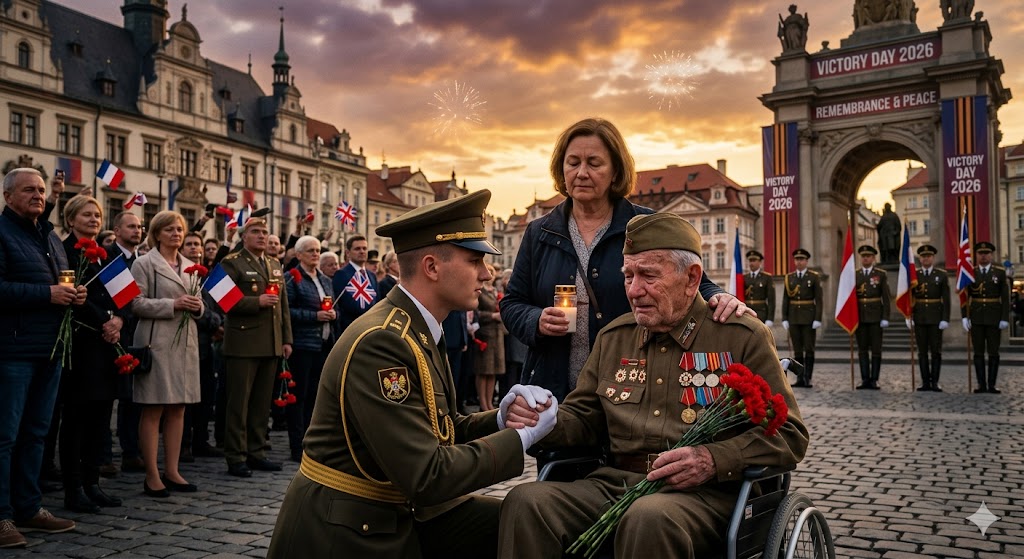
Victory Day 2026 is a powerful reminder of courage, sacrifice, and the triumph of peace over war. Celebrated in several countries around the world, Victory Day honors the end of World War II and pays tribute to the millions of soldiers and civilians who suffered during one of history’s deadliest conflicts. For many nations, this day symbolizes freedom, unity, and national pride.
Also Read: World Thalassaemia Day 2026: Theme, History, Importance, Symptoms, Treatment and Awareness
From grand military parades to solemn memorial ceremonies, Victory Day celebrations reflect both remembrance and gratitude. Understanding the history and significance of this important day helps us appreciate the sacrifices that shaped the modern world.
What Is Victory Day?
Victory in Europe Day, commonly known as Victory Day, marks the defeat of Nazi Germany during World War II in 1945. The day celebrates the official surrender of German forces to the Allied nations, which brought an end to the war in Europe.
Different countries observe Victory Day on different dates:
- May 8 is celebrated in many European countries and Western nations.
- May 9 is mainly observed in Russia and several former Soviet states because the surrender took effect according to Moscow time.
Victory Day is not just about military victory. It is also about remembering the millions of lives lost during the war and recognizing the importance of peace, cooperation, and human resilience.
History Behind Victory Day
The roots of Victory Day go back to the final days of World War II. After years of devastating battles, Nazi Germany officially surrendered to the Allied forces in May 1945.
The war involved major world powers, including:
- The United Kingdom
- The United States
- The Soviet Union
- France
- China
Important leaders during the war included:
- Winston Churchill
- Franklin D. Roosevelt
- Joseph Stalin
On May 7, 1945, Germany signed the surrender agreement in France. The surrender officially came into effect on May 8, ending the war in Europe. However, because it was already after midnight in Moscow, the Soviet Union celebrated the event on May 9.
After the war, many countries began observing Victory Day annually to honor the sacrifices made by soldiers and civilians. Over time, the day evolved into a symbol of national remembrance and global peace.
World War II caused unimaginable destruction, with millions of deaths and widespread damage across Europe and other parts of the world. Victory Day therefore serves as both a celebration of freedom and a warning about the horrors of war.
Importance of Victory Day 2026
Victory Day 2026 remains highly relevant in today’s world. Although decades have passed since World War II ended, the lessons from the conflict continue to shape international relations and global peace efforts.
One of the main purposes of Victory Day is to honor veterans and fallen soldiers who fought bravely during the war. Their sacrifices helped protect freedom and defeat oppressive regimes.
The day is also important because it:
- Promotes peace and unity
- Encourages historical awareness
- Honors war survivors and veterans
- Educates younger generations about global history
- Reminds humanity about the consequences of war
For many families, Victory Day is deeply personal. People remember grandparents, relatives, and community members who served during the war years. Memorial ceremonies and public tributes help keep these memories alive.
Victory Day 2026 Activities
Victory Day is celebrated differently depending on the country and cultural traditions.
Russia
Victory Day is one of the most important national holidays in Russia. Large military parades are held in Red Square, where soldiers, military vehicles, and aircraft participate in impressive displays.
People also:
- Carry portraits of relatives who fought in the war
- Visit war memorials
- Watch fireworks displays
- Attend concerts and patriotic events
The celebrations emphasize national pride and remembrance.
European Countries
Many European nations observe Victory Day on May 8. Ceremonies are usually more solemn and reflective.
Common activities include:
- Laying flowers at memorials
- Holding church services
- Organizing educational events
- Observing moments of silence
Countries such as France and the United Kingdom honor veterans and remember civilians affected by the war.
United States
In the United States, Victory in Europe Day is remembered historically, though it is not a federal holiday. Museums, schools, and historical organizations often organize educational programs about World War II.
Americans also remember the contributions of soldiers who served overseas during the conflict.
India
Although India mainly observes Vijay Diwas in December to honor victory in the 1971 war, many historians and educational institutions also discuss the global significance of World War II Victory Day.
Indian soldiers played an important role during World War II, serving in various regions under the Allied forces.
Message of Victory Day 2026
The overall message remains universal: peace, remembrance, and unity.
Modern Victory Day observances often focus on:
- Preventing future wars
- Respecting human rights
- Honoring veterans
- Encouraging international cooperation
Interesting Facts About Victory Day
Here are some fascinating facts about Victory Day:
1. Victory Day Is Celebrated on Different Dates
Most Western countries celebrate on May 8, while Russia and some neighboring countries celebrate on May 9.
2. World War II Lasted Six Years
The war began in 1939 and ended in 1945, becoming the deadliest conflict in human history.
3. Millions of Soldiers Participated
More than 100 million military personnel from different countries were involved in the war.
4. Red Square Parade Is World Famous
Russia’s military parade at Red Square attracts global attention every year.
5. Veterans Are Honored as Heroes
Many countries invite surviving veterans to public ceremonies and remembrance events.
6. The Day Promotes Peace
Victory Day encourages people to reflect on the importance of diplomacy and global cooperation.
7. Educational Programs Are Common
Schools and museums often organize exhibitions and documentaries related to World War II history.
Why Victory Day Still Matters Today
Even in 2026, Victory Day continues to hold strong relevance. Modern society faces many global challenges, including political conflicts, humanitarian crises, and international tensions.
Victory Day reminds the world that:
- War causes lasting destruction
- Peace requires cooperation
- Freedom often comes with sacrifice
- History should never be forgotten
For younger generations especially, learning about World War II helps build awareness about the importance of tolerance, unity, and human rights.
Inspirational Victory Day Quotes
Here are a few meaningful quotes suitable for Victory Day 2026 celebrations:
“Peace is not only better than war, but infinitely more difficult.” – George Bernard Shaw
“A nation that forgets its heroes will itself be forgotten.” – Calvin Coolidge
“Victory belongs to the most persevering.” – Napoleon Bonaparte
These quotes reflect the spirit of courage, sacrifice, and hope associated with Victory Day.
Conclusion
Victory Day 2026 is a meaningful reminder of bravery, sacrifice, and the enduring hope for peace. As nations gather to honor veterans and remember the victims of World War II, the day encourages people around the world to value unity and human compassion.
By reflecting on the lessons of history, Victory Day helps ensure that future generations understand the true cost of war and the importance of maintaining peace. Whether through memorial ceremonies, educational programs, or personal remembrance, Victory Day continues to inspire respect, gratitude, and hope across the globe.
FAQs About Victory Day 2026
1. What is Victory Day 2026?
Victory Day 2026 is a remembrance day honoring the defeat of Nazi Germany in World War II and celebrating peace and freedom.
2. Why is Victory Day celebrated?
Victory Day is celebrated to honor soldiers, remember war victims, and mark the end of World War II in Europe.
3. Which countries celebrate Victory Day?
Countries such as Russia, France, the United Kingdom, and several European nations observe Victory Day in different ways.
4. Why are there two dates for Victory Day?
Many Western countries celebrate on May 8, while Russia celebrates on May 9 because of time zone differences during Germany’s surrender in 1945.
5. What happened on Victory Day in 1945?
Germany officially surrendered to the Allied forces, bringing an end to World War II in Europe.
6. How is Victory Day celebrated?
People celebrate with military parades, memorial ceremonies, educational events, fireworks, and tributes to veterans.
7. Why is Victory Day still important today?
Victory Day reminds people about the value of peace, the sacrifices made during war, and the importance of preventing future conflicts.