


Introduction
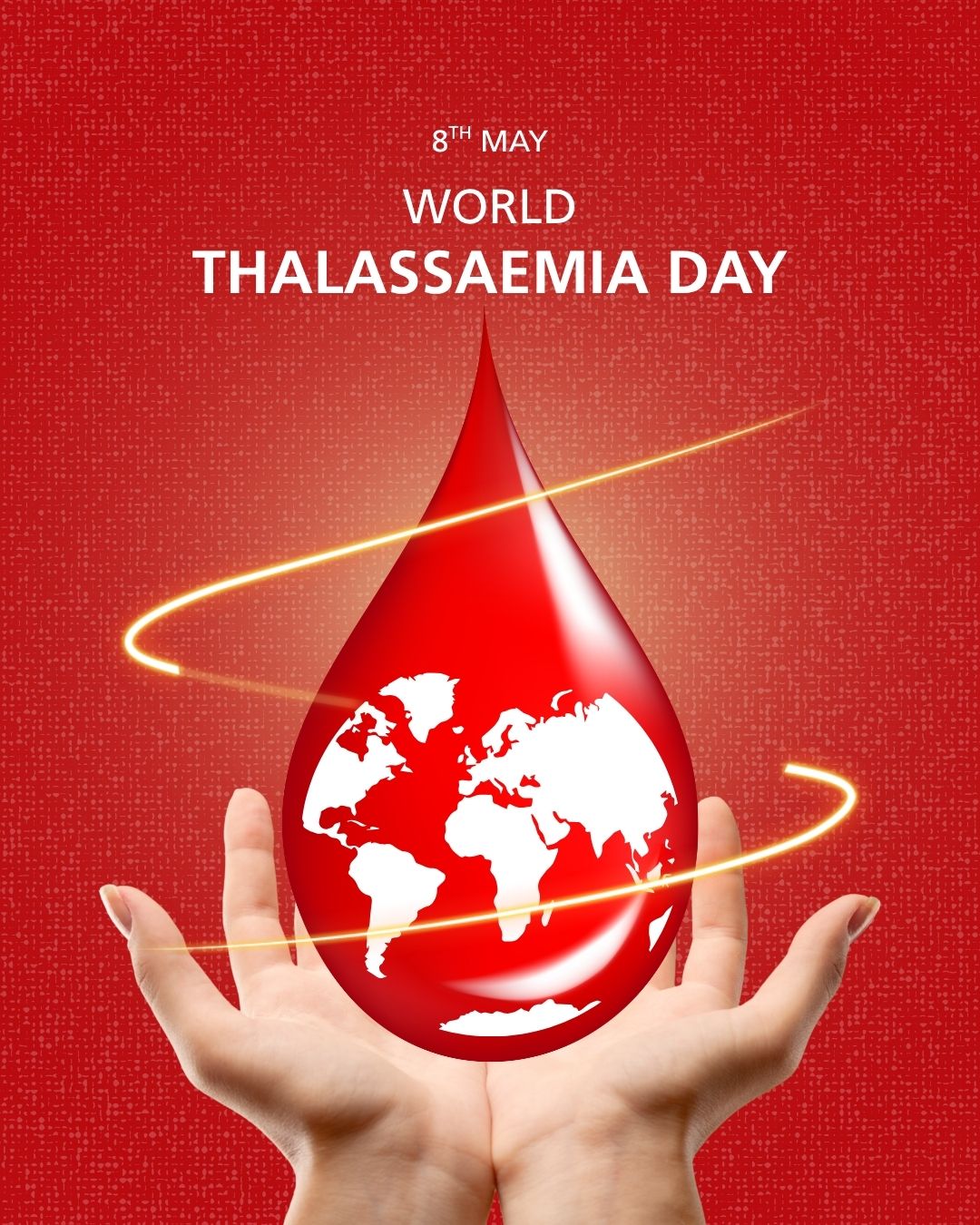
Every year on May 8, the world observes World Thalassaemia Day 2026 to spread awareness about thalassaemia, a serious inherited blood disorder that affects thousands of people globally.
Also Read: World Red Cross Day 2026: History, Theme, Significance & How You Can Make a Difference Today
The day highlights the importance of early diagnosis, proper treatment, safe blood transfusions, and emotional support for patients and their families. It also encourages governments, healthcare organizations, and communities to work together to improve the quality of life of people living with this condition.
Thalassaemia remains a major health concern in many countries, especially in South Asia, the Middle East, and Mediterranean regions. Through awareness campaigns, blood donation drives, and educational programs, World Thalassaemia Day reminds people that knowledge and timely medical care can save lives. The observance also honors patients who battle the disorder with courage every day.
What is Thalassaemia?
Thalassaemia is a genetic blood disorder that affects the body’s ability to produce healthy hemoglobin, the protein in red blood cells responsible for carrying oxygen throughout the body. Because of this condition, patients often suffer from anemia and require continuous medical care.
The disorder is inherited from parents through genes, meaning it is not contagious. A child may develop thalassaemia if both parents carry the defective gene.
Types of Thalassaemia
1. Thalassaemia Minor
People with thalassaemia minor usually have mild symptoms or no symptoms at all. They are known as carriers of the disease.
2. Thalassaemia Major
This is the severe form of the disorder. Patients often require regular blood transfusions and lifelong treatment.
Common Symptoms of Thalassaemia
The symptoms of thalassaemia can vary depending on the severity of the disorder. Some patients show signs during childhood, while others may develop symptoms later.
Common signs include:
- Extreme tiredness and weakness
- Pale or yellowish skin
- Slow growth in children
- Shortness of breath
- Facial bone deformities
- Enlarged spleen
- Dark-colored urine
- Frequent infections
Children with severe thalassaemia may need constant medical attention to maintain healthy blood levels and overall growth.
History of World Thalassaemia Day
World Thalassaemia Day 2026 is observed annually on May 8 to raise global awareness about thalassaemia and support affected individuals.
The day was established by the Thalassaemia International Federation, an organization dedicated to improving the lives of patients worldwide. The observance also honors the memory of patients who lost their lives to the disease and recognizes the efforts of families, doctors, nurses, researchers, and blood donors.
Over the years, World Thalassaemia Day has become an important platform for promoting health education, encouraging blood donation, and reducing social stigma associated with genetic disorders.
World Thalassaemia Day 2026 Theme
The Theme for World Thalassaemia Day 2026 is “Hidden No More: Finding the Undiagnosed. Supporting the Unseen.” This theme focuses on uncovering undiagnosed thalassemia cases, increasing early screening, and advocating for better care for patients who remain unsupported or overlooked by health systems.
Why World Thalassaemia Day is Important
World Thalassaemia Day plays a major role in educating people about this inherited blood disorder and promoting preventive healthcare measures.
1. Raises Public Awareness
Many people still know very little about thalassaemia. Awareness campaigns help communities understand its causes, symptoms, and treatment options.
2. Encourages Early Diagnosis
Early detection can improve treatment outcomes and help patients lead healthier lives.
3. Promotes Blood Donation
Patients with severe thalassaemia often need regular blood transfusions. Voluntary blood donation can save countless lives.
4. Supports Patients and Families
The observance spreads compassion and emotional support for individuals living with the disorder.
5. Highlights the Need for Genetic Counseling
Genetic testing and counseling can help couples understand the risks of passing the disease to their children.
Causes and Risk Factors of Thalassaemia
Thalassaemia is caused by mutations in the genes responsible for producing hemoglobin. Since it is inherited, family history is one of the biggest risk factors.
The condition is more common in:
- South Asian countries
- Mediterranean regions
- Middle Eastern countries
- Parts of Africa
If both parents carry the thalassaemia gene, there is a higher chance that their child may develop severe thalassaemia.
Diagnosis of Thalassaemia
Doctors use several medical tests to diagnose thalassaemia.
Common diagnostic methods include:
- Complete blood count (CBC)
- Hemoglobin testing
- Genetic testing
- Prenatal screening during pregnancy
Early diagnosis is extremely important because it allows doctors to begin treatment before serious complications develop.
Treatment Options for Thalassaemia
Although thalassaemia may not always be completely curable, proper treatment can help patients manage the condition effectively and improve their quality of life.
1. Regular Blood Transfusions
Patients with severe thalassaemia often require frequent blood transfusions to maintain healthy hemoglobin levels.
2. Iron Chelation Therapy
Repeated transfusions can increase iron levels in the body. Iron chelation medicines help remove excess iron and protect vital organs.
3. Bone Marrow or Stem Cell Transplant
In some cases, a bone marrow transplant may offer a potential cure, especially when a matching donor is available.
4. Healthy Lifestyle and Medical Monitoring
Balanced nutrition, regular medical checkups, and proper medication are important for managing the disease.
World Thalassaemia Day 2026 Activities
Many countries organize awareness programs and health initiatives on World Thalassaemia Day.
Common activities include:
- Blood donation drives
- Health awareness seminars
- Social media campaigns
- Educational workshops
- Free medical camps
- School and college awareness programs
Hospitals, healthcare institutions, and non-profit organizations often participate actively to educate people about prevention and treatment.
Prevention of Thalassaemia
Preventing thalassaemia largely depends on awareness and genetic screening.
Important prevention measures include:
- Premarital screening
- Genetic counseling
- Prenatal testing
- Public health education
- Awareness campaigns in schools and communities
These preventive steps can significantly reduce the number of severe thalassaemia cases in future generations.
Role of Governments and Healthcare Organizations
Governments and healthcare institutions play an important role in supporting thalassaemia patients.
They can help by:
- Providing affordable treatment
- Ensuring safe blood supplies
- Offering free screening programs
- Improving healthcare facilities
- Supporting research and awareness campaigns
Healthcare equality is essential because many families struggle to afford long-term treatment costs.
Challenges Faced by Thalassaemia Patients
Living with thalassaemia can be physically, emotionally, and financially challenging. Many patients require lifelong treatment, regular hospital visits, and continuous monitoring.
Children with severe thalassaemia may miss school frequently due to medical appointments, while adults may face social stigma and emotional stress. Families often experience financial pressure because of expensive treatments and medicines.
Despite these challenges, many patients continue to inspire others with their strength, determination, and positive attitude toward life.
Conclusion
World Thalassaemia Day 2026 is a global reminder that awareness, compassion, early diagnosis, and proper healthcare can transform lives. The day encourages communities to support patients, promote blood donation, and spread knowledge about prevention through genetic counseling and screening.
As the world continues to fight inherited blood disorders, collective efforts from governments, healthcare organizations, doctors, families, and citizens can create a healthier future for millions of people affected by thalassaemia. Even a small act of awareness or blood donation can make a life-saving difference.
FAQs on World Thalassaemia Day 2026
1. What is World Thalassaemia Day?
World Thalassaemia Day is observed every year on May 8 to raise awareness about thalassaemia and support patients living with the disorder.
2. Why is World Thalassaemia Day celebrated?
The day is celebrated to educate people about thalassaemia, encourage early diagnosis, promote blood donation, and support affected families.
3. What is thalassaemia?
Thalassaemia is an inherited blood disorder that affects the production of hemoglobin and can cause severe anemia.
4. What is the theme of World Thalassaemia Day 2026?
The Theme for World Thalassaemia Day 2026 is “Hidden No More: Finding the Undiagnosed. Supporting the Unseen.”
5. Can thalassaemia be cured?
Some severe cases may be treated through bone marrow or stem cell transplants, but many patients require lifelong management and treatment.
6. How can thalassaemia be prevented?
Genetic counseling, carrier screening, prenatal testing, and public awareness can help prevent severe forms of thalassaemia.
7. Why are blood donations important for thalassaemia patients?
Many patients with severe thalassaemia depend on regular blood transfusions to survive and maintain healthy hemoglobin levels.