

Introduction
Every year, Nunavut Day celebrates the history, culture, and identity of Nunavut, Canada’s newest territory. The day honors the Inuit people, their rich heritage, and their journey toward self-governance. It also highlights the traditions, language, and values that have shaped life in the Canadian Arctic for generations.
Also Read: Sikkim Statehood Day 2026: History, Significance, Celebrations, and Interesting Facts
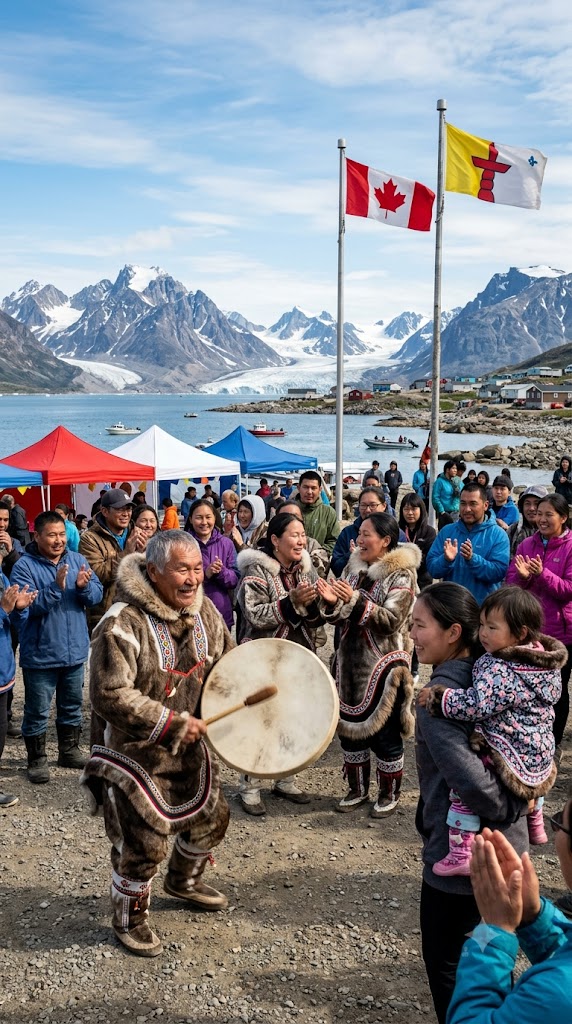
In 2026, communities across Nunavut will celebrate with traditional music, throat singing, drum dancing, storytelling, art exhibitions, family gatherings, and cultural events. The occasion also promotes awareness of Indigenous history and encourages people to learn more about Canada’s northern heritage.
In this guide, you’ll discover the date of Nunavut Day 2026, its history, significance, celebrations, and interesting facts.
When Is Nunavut Day 2026?
Nunavut Day 2026 will be celebrated on Thursday, July 9, 2026.
Nunavut Day 2026 at a Glance
- Date: July 9, 2026
- Day: Thursday
- Observed In: Nunavut, Canada
- Holiday Type: Territorial Holiday
- Purpose: To celebrate the creation of Nunavut and honor Inuit culture
Although Nunavut officially became Canada’s newest territory on April 1, 1999, the annual celebration is held on July 9. This date marks the day in 1993 when the legislation that led to the creation of Nunavut received Royal Assent.
What Is Nunavut Day?
Nunavut Day is an annual territorial holiday that celebrates the creation of Nunavut and recognizes the history, culture, and achievements of the Inuit people.
The word “Nunavut” means “Our Land” in Inuktitut, reflecting the deep connection between the Inuit and the Arctic.
The day is celebrated with community events, cultural performances, educational programs, and traditional activities that help preserve Inuit heritage while encouraging people to learn more about Northern Canada.
History of Nunavut Day
The history of Nunavut Day is closely tied to the creation of Nunavut, Canada’s newest territory.
For thousands of years, the Inuit lived across the Arctic, developing a rich culture and a deep understanding of the northern environment. In the late 20th century, Inuit leaders worked with the Canadian government to secure recognition of their land and rights.
Their efforts resulted in the Nunavut Land Claims Agreement, signed in 1993. On July 9, 1993, the Nunavut Act and the Nunavut Land Claims Agreement Act received Royal Assent, laying the legal foundation for the new territory.
After several years of planning, Nunavut officially became Canada’s third territory on April 1, 1999, separating from the Northwest Territories. It marked one of the largest Indigenous land claim settlements in Canadian history and a major step toward Inuit self-governance.
To honor this achievement, Nunavut Day was officially established as a territorial holiday in 2001. Today, it celebrates Inuit culture, community pride, and the lasting importance of preserving Arctic traditions.
Why Is Nunavut Day Celebrated?
Nunavut Day celebrates the creation of Nunavut and recognizes the history, culture, and contributions of the Inuit people. It also honors the agreement that gave Inuit communities greater control over their land and future.
The day is observed to:
- Celebrate the creation of Nunavut.
- Honor Inuit history and traditions.
- Recognize Indigenous land rights.
- Preserve Inuit language and culture.
- Promote education and cultural awareness.
- Encourage community pride and unity.
Nunavut Day reminds Canadians of the importance of respecting Indigenous heritage and celebrating the country’s cultural diversity.
Why Is Nunavut Day Important?
Nunavut Day is more than a territorial holiday. It celebrates cultural identity, Indigenous leadership, and the achievements of the Inuit people.
Its importance includes:
- Preserving Inuit traditions and languages.
- Recognizing a historic Indigenous land agreement.
- Promoting education about Arctic culture.
- Strengthening community connections.
- Encouraging respect for Indigenous history and heritage.
The celebration reflects Nunavut’s unique place in Canada and inspires future generations to protect and celebrate their rich cultural legacy.
How Is Nunavut Day Celebrated?
Nunavut Day is celebrated with a variety of cultural, educational, and community events that reflect the territory’s rich Inuit heritage. Across Nunavut, residents gather to honor their traditions, strengthen community bonds, and share their culture with visitors.
Although celebrations vary from one community to another, the focus remains on preserving Inuit customs and celebrating the territory’s unique identity.
Some of the most popular Nunavut Day activities include:
- Community festivals and public gatherings
- Traditional Inuit drum dancing
- Inuit throat singing performances
- Storytelling sessions with Elders
- Art and craft exhibitions
- Inuit games and sports
- Local food and cultural fairs
- Family picnics and outdoor activities
- Educational workshops and museum events
- Live music and cultural performances
The day offers people of all ages an opportunity to celebrate, learn, and appreciate Nunavut’s rich cultural heritage.
Traditional Inuit Culture Celebrated on Nunavut Day
One of the highlights of Nunavut Day is the celebration of Inuit traditions that have been passed down through generations.
Inuit Language
Languages such as Inuktitut and Inuinnaqtun remain an important part of everyday life and cultural identity.
Traditional Music and Dance
Drum dancing and Inuit throat singing are among the most recognized cultural performances during Nunavut Day celebrations.
Storytelling
Elders share traditional stories that teach history, survival skills, and Inuit values.
Art and Handicrafts
Visitors can explore beautiful carvings, jewelry, prints, and handmade crafts created by talented local artists.
Traditional Foods
Many celebrations feature local foods such as Arctic char, caribou, bannock, and country foods that reflect the region’s heritage.
Interesting Facts About Nunavut
Here are some fascinating facts about Canada’s northern territory:
- Nunavut is Canada’s largest territory by land area.
- It officially became a territory on April 1, 1999.
- The capital city is Iqaluit.
- Around 85% of the population is Inuit.
- Inuktitut is one of Nunavut’s official languages.
- Nunavut is home to spectacular Arctic landscapes and glaciers.
- The territory experiences the Midnight Sun during summer in many northern areas.
- It is one of the best places to see the Northern Lights.
- Polar bears, narwhals, musk oxen, and Arctic foxes live in Nunavut.
- The territory is known for its world-famous Inuit art and sculptures.
Best Places to Experience Nunavut Day
If you’re planning to experience Nunavut Day, these communities offer memorable celebrations and opportunities to learn about Inuit culture.
Iqaluit
The capital city hosts cultural performances, community events, local markets, and family-friendly activities.
Rankin Inlet
Known for its vibrant arts community, Rankin Inlet often features music, cultural exhibitions, and traditional celebrations.
Cambridge Bay
Visitors can enjoy community gatherings, local history programs, and Arctic cultural experiences.
Pond Inlet
Surrounded by breathtaking scenery, Pond Inlet offers a mix of traditional celebrations and outdoor activities.
Arviat
Arviat is well known for preserving Inuit traditions through storytelling, music, and cultural performances.
Family Activities for Nunavut Day 2026
Nunavut Day 2026 is a wonderful opportunity for families to learn about Inuit culture together.
Here are a few fun and educational activities:
- Learn a few words in Inuktitut.
- Read books about Inuit history and traditions.
- Watch documentaries about the Canadian Arctic.
- Create Inuit-inspired crafts.
- Cook traditional northern recipes.
- Visit a museum or cultural center.
- Learn about Arctic wildlife.
- Explore maps and geography of Nunavut.
- Support Indigenous artists by purchasing authentic handmade crafts.
These activities help children and adults gain a deeper appreciation of Canada’s northern heritage while making Nunavut Day both educational and enjoyable.
Nunavut Day 2026 Wishes
Celebrate the spirit of Nunavut with these heartfelt wishes:
- Happy Nunavut Day! May this special day inspire pride in Inuit culture and Canada’s northern heritage.
- Wishing everyone a joyful Nunavut Day filled with happiness, unity, and cultural celebration.
- Let’s honor the traditions, history, and resilience of the Inuit people. Happy Nunavut Day!
- May Nunavut Day remind us of the importance of preserving Indigenous culture for future generations.
- Celebrate the beauty of the Arctic and the rich heritage of Nunavut. Happy Nunavut Day 2026!
- Wishing peace, prosperity, and happiness to all celebrating Nunavut Day.
- Happy Nunavut Day! Let’s appreciate the history, culture, and natural beauty that make Nunavut truly unique.
Inspirational Nunavut Day 2026 Quotes
“Nunavut’s greatest treasure is its people, traditions, and enduring spirit.”
“A culture preserved today becomes a legacy for tomorrow.”
“Nunavut teaches us that strength grows through community, respect, and resilience.”
“Every celebration of heritage helps keep history alive.”
“The beauty of Nunavut lies not only in its Arctic landscapes but also in its rich Inuit traditions.”
How Tourists Can Celebrate Nunavut Day 2026
Visitors can make the most of Nunavut Day by experiencing local culture respectfully. Here are some meaningful ways to celebrate:
- Attend community festivals and cultural events.
- Watch traditional Inuit drum dancing and throat singing.
- Visit local museums and cultural centers.
- Explore Inuit art galleries and craft markets.
- Taste traditional northern cuisine.
- Learn a few words in Inuktitut.
- Support local Indigenous artists and businesses.
- Respect local customs and traditions while visiting.
Celebrating responsibly helps preserve Nunavut’s unique cultural heritage and supports local communities.
Why Nunavut Day Matters Today
Nunavut Day is more than a celebration of a territory—it is a celebration of identity, culture, and progress.
The day reminds Canadians of the importance of Indigenous history, cultural preservation, and mutual respect. It also highlights the Inuit people’s ongoing contributions to Canada’s cultural diversity and encourages future generations to value the traditions and knowledge that have shaped life in the Arctic.
As awareness of Indigenous history continues to grow, Nunavut Day serves as an opportunity to learn, celebrate, and strengthen connections between communities across Canada.
Conclusion
Nunavut Day 2026 is a meaningful celebration of Canada’s newest territory and the rich heritage of the Inuit people. It honors the historic journey that led to the creation of Nunavut while showcasing the traditions, languages, art, and values that continue to shape life in the Arctic.
Whether you’re celebrating in Nunavut or learning about its history from afar, this special day offers an opportunity to appreciate Indigenous culture, strengthen cultural understanding, and recognize the importance of preserving Canada’s diverse heritage.
Happy Nunavut Day 2026!
Frequently Asked Questions (FAQs)
1. When is Nunavut Day 2026?
Nunavut Day 2026 will be celebrated on Thursday, July 9, 2026.
2. Why is Nunavut Day celebrated?
It celebrates the creation of Nunavut and honors the history, culture, and achievements of the Inuit people.
3. Is Nunavut Day a public holiday?
Yes. Nunavut Day is a territorial public holiday observed across Nunavut.
4. What does the word “Nunavut” mean?
“Nunavut” means “Our Land” in the Inuktitut language.
5. How do people celebrate Nunavut Day?
People celebrate with cultural performances, community festivals, storytelling, traditional games, art exhibitions, music, and family activities.
6. What is Nunavut famous for?
Nunavut is known for its Inuit culture, Arctic landscapes, Northern Lights, wildlife, and world-renowned Inuit art.
7. Can tourists participate in Nunavut Day celebrations?
Yes. Visitors are welcome to attend public events and experience Nunavut’s culture while respecting local traditions.