


Introduction
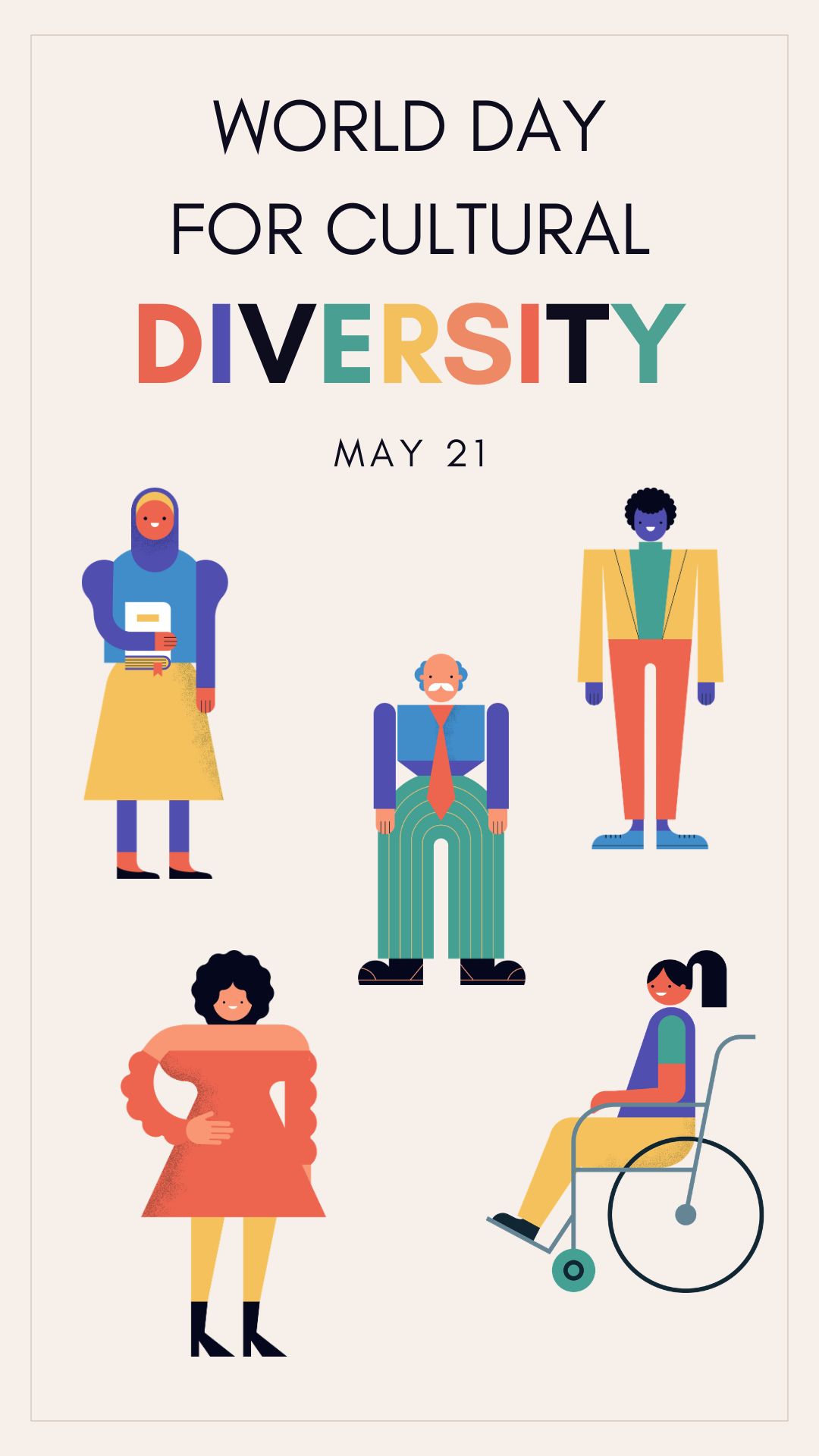
Every year on May 21, people around the world come together to celebrate the World Day for Cultural Diversity for Dialogue and Development. This important international observance reminds us that humanity’s strength lies in its diversity. Different cultures, languages, traditions, beliefs, and lifestyles make our world colorful, creative, and vibrant.
In today’s fast-changing and interconnected world, cultural understanding has become more important than ever. While diversity enriches societies, misunderstandings between cultures can sometimes create conflict and division. This is why promoting dialogue, respect, and inclusion is essential for building peace and sustainable development.
What is World Day for Cultural Diversity for Dialogue and Development?
World Day for Cultural Diversity for Dialogue and Development is an international observance celebrated every year on May 21. The day was established by the United Nations to promote cultural diversity and encourage dialogue among different cultures.
The observance highlights the importance of:
- Respecting cultural differences
- Promoting tolerance and inclusion
- Strengthening intercultural dialogue
- Encouraging peaceful coexistence
- Supporting sustainable development through diversity
Culture shapes the way people think, communicate, celebrate, and live. By learning about other cultures and respecting their traditions, societies become more united and harmonious.
History and Origin of the Day
The origins of this international day are closely connected with the efforts of UNESCO and the United Nations to promote peace through cultural understanding.
In 2001, UNESCO adopted the Universal Declaration on Cultural Diversity. The declaration recognized cultural diversity as a valuable asset for humanity and emphasized that dialogue between cultures is essential for peace, stability, and development.
Following this declaration, the United Nations General Assembly officially proclaimed May 21 as the World Day for Cultural Diversity for Dialogue and Development in 2002.
The observance was introduced at a time when many parts of the world were experiencing social tensions, discrimination, and cultural conflicts. The United Nations believed that encouraging intercultural dialogue could help reduce misunderstandings and promote global harmony.
World Day for Cultural Diversity for Dialogue and Development 2026 Theme
The Theme for World Day for Cultural Diversity for Dialogue and Development 2026 focuses on celebrating the richness of global cultures and advancing the 2005 UNESCO Convention goals, which include supporting sustainable cultural governance, promoting artists’ mobility, and integrating culture into sustainable development.
Why Cultural Diversity Matters in Today’s World
Cultural diversity is one of humanity’s greatest strengths. Every culture brings unique ideas, traditions, languages, art forms, and perspectives that enrich society.
Encourages Creativity and Innovation
When people from different cultures work together, they share new ideas and perspectives. This exchange often leads to innovation in technology, education, business, art, and science.
Promotes Peace and Understanding
Learning about other cultures helps reduce fear, prejudice, and stereotypes.
Preserves Cultural Heritage
Languages, music, dance, art, and traditions are valuable parts of human history. Cultural diversity helps preserve these traditions for future generations.
Strengthens Communities
Inclusive societies where everyone feels respected and valued are stronger and more united. Diversity encourages cooperation and social harmony.
The Role of Dialogue in Building Peace
Dialogue is one of the most powerful tools for creating understanding between people from different backgrounds.
Intercultural dialogue means open and respectful communication between individuals and communities with different beliefs, traditions, or lifestyles. It allows people to:
- Listen to different perspectives
- Resolve misunderstandings peacefully
- Build trust and friendship
- Promote tolerance and inclusion
Without dialogue, differences can sometimes lead to fear and division. But when people communicate openly and respectfully, diversity becomes a source of strength rather than conflict.
Connection Between Cultural Diversity and Development
Cultural diversity is not only important for social harmony—it also contributes significantly to development.
Economic Growth
Cultural industries such as tourism, music, fashion, film, crafts, and art create millions of jobs worldwide.
Better Education
Exposure to different cultures helps students become more open-minded, adaptable, and globally aware.
Innovation in Business
Companies with culturally diverse teams often perform better because they benefit from varied perspectives and ideas.
Sustainable Development
Inclusive societies where all cultures are respected are more likely to achieve long-term peace, equality, and sustainable progress.
Challenges Facing Cultural Diversity Today
Despite its many benefits, cultural diversity still faces several challenges in modern society.
Racism and Discrimination
Many communities continue to experience discrimination based on race, religion, language, or ethnicity. Such prejudice creates social divisions and inequality.
Cultural Stereotypes
False assumptions about cultures can lead to misunderstanding and intolerance. Social media sometimes spreads harmful stereotypes and misinformation.
Loss of Languages
Thousands of languages around the world are at risk of disappearing. When a language is lost, a unique cultural identity and history may disappear as well.
Globalization and Cultural Homogenization
While globalization connects people, it can also weaken local traditions and cultural identities. Smaller cultures sometimes struggle to preserve their heritage in the face of global influences.
Protecting and respecting cultural diversity is therefore essential for preserving humanity’s collective heritage.
How Different Countries Celebrate the Day
World Day for Cultural Diversity for Dialogue and Development is celebrated in many creative and meaningful ways around the world.
Cultural Festivals
Communities organize festivals featuring traditional music, dance, clothing, and food from different cultures.
Art and Music Events
Artists and performers showcase traditional and modern cultural expressions through exhibitions and performances.
Community Dialogues
Organizations host discussions and seminars on inclusion, equality, peace, and intercultural understanding.
Social Media Campaigns
People share stories, photos, and messages celebrating cultural diversity using global awareness hashtags.
Importance of Cultural Diversity in India
India is one of the best examples of cultural diversity in the world. The country is known for its rich mix of:
- Languages
- Religions
- Festivals
- Food traditions
- Art forms
- Regional customs
India’s identity is built on the idea of “Unity in Diversity.” People from different communities live together while preserving their unique traditions and beliefs.
Festivals such as:
- Diwali
- Eid
- Christmas
- Pongal
- Baisakhi
- Onam
reflect the multicultural spirit of the country.
How Students and Individuals Can Participate
Everyone can contribute to promoting cultural understanding and inclusion.
Learn About Other Cultures
Read books, watch documentaries, or attend cultural events to learn about traditions and lifestyles from around the world.
Respect Different Traditions
Showing respect for others’ beliefs, languages, and customs helps create a welcoming society.
Support Local Artists and Communities
Buying traditional crafts and supporting cultural events helps preserve heritage and local traditions.
Participate in School Activities
Students can:
- Organize cultural exhibitions
- Wear traditional attire
- Share cultural stories
- Participate in debates and discussions
Use Social Media Positively
Spread messages of unity, inclusion, and respect online.
Inspiring Quotes on Cultural Diversity
“Our ability to reach unity in diversity will be the beauty and the test of our civilization.” – Mahatma Gandhi
“Diversity is the one true thing we all have in common.” – Anonymous
“Peace is not unity in similarity but unity in diversity.” – Mikhail Gorbachev
“Culture is the widening of the mind and of the spirit.” – Jawaharlal Nehru
Interesting Facts About Cultural Diversity
- More than 7,000 languages are spoken around the world.
- UNESCO protects important cultural and natural heritage sites globally.
- Cultural industries contribute significantly to the global economy.
- Many indigenous cultures hold valuable environmental knowledge.
- Cultural exchange has shaped human civilization for centuries.
Conclusion
World Day for Cultural Diversity for Dialogue and Development 2026 reminds humanity that our differences should unite us rather than divide us. Every culture adds beauty, wisdom, and creativity to the world. By respecting traditions, encouraging dialogue, and promoting inclusion, societies can become more peaceful and harmonious.
In a time when the world faces many social and cultural challenges, understanding and celebrating diversity is more important than ever. Whether through education, communication, festivals, or everyday acts of respect, every individual can contribute to building a more inclusive future.
Celebrating cultural diversity is ultimately about celebrating humanity itself.
FAQs About World Day for Cultural Diversity for Dialogue and Development 2026
1. When is World Day for Cultural Diversity celebrated?
It is celebrated every year on May 21.
2. Who started World Day for Cultural Diversity?
The United Nations established the observance in 2002 following UNESCO’s Universal Declaration on Cultural Diversity.
3. Why is cultural diversity important?
Cultural diversity promotes creativity, peace, innovation, inclusion, and mutual understanding among people.
4. What is intercultural dialogue?
Intercultural dialogue refers to respectful communication and interaction between people from different cultural backgrounds.
5. How can students celebrate this day?
Students can participate in cultural events, essay competitions, discussions, and awareness programs promoting diversity and inclusion.
6. What is the theme of World Day for Cultural Diversity 2026?
The official theme has not yet been announced.
7. How does cultural diversity support development?
Cultural diversity encourages innovation, economic growth, education, tourism, and social harmony.