


Introduction
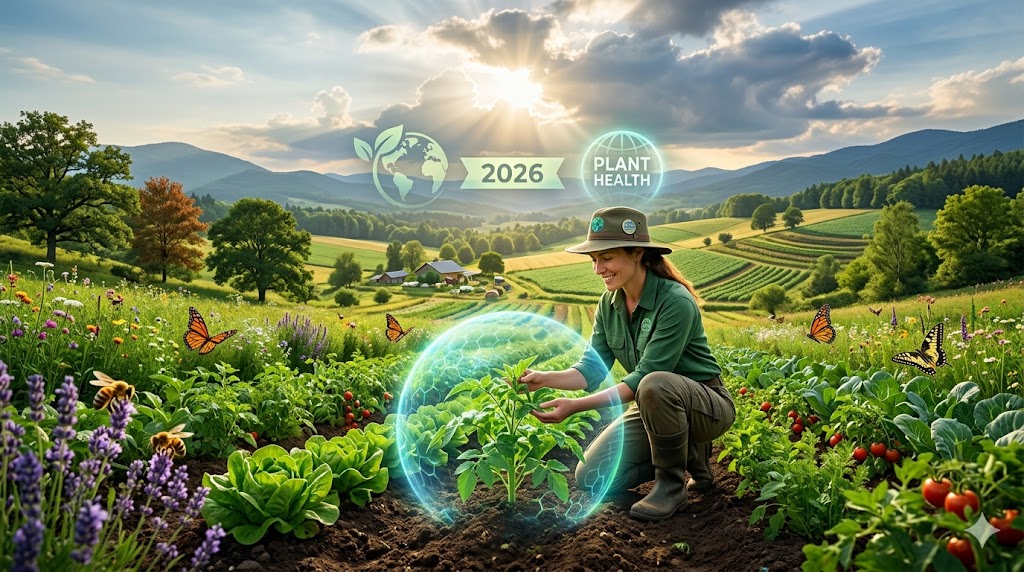
Plants are the foundation of life on Earth. They provide us with food, oxygen, medicine, shelter, and countless natural resources that support both humans and animals. Yet every year, harmful pests, plant diseases, climate change, and environmental damage threaten crops and ecosystems across the world.
Also Read: World Migratory Bird Day 2026: Theme, History, Importance & Celebration Ideas
This is why the International Day of Plant Health is observed globally—to raise awareness about the importance of protecting plants for a healthier and more sustainable future.
The International Day of Plant Health 2026 will be celebrated on May 12, reminding governments, farmers, scientists, students, and communities that healthy plants are essential for food security, biodiversity, and economic growth.
What is International Day of Plant Health?
The International Day of Plant Health is a global awareness day observed every year on May 12. It highlights the importance of keeping plants healthy to ensure food security, environmental sustainability, and economic development worldwide.
The day was established by the United Nations following the success of the International Year of Plant Health 2020. It is supported by the Food and Agriculture Organization and other international agricultural organizations working to prevent the spread of plant pests and diseases.
History of International Day of Plant Health
The idea for the International Day of Plant Health emerged after the successful celebration of the International Year of Plant Health in 2020. During that year, global organizations highlighted how plant pests and diseases threaten food supplies, trade, biodiversity, and rural economies.
Recognizing the growing global concern, the United Nations General Assembly officially declared May 12 as the International Day of Plant Health. The goal was to continue spreading awareness and encourage international cooperation in protecting crops and ecosystems.
Today, the observance has become an important platform for discussing agricultural sustainability, climate change, and food safety.
International Day of Plant Health 2026 Theme
The theme for International Day of Plant Health 2026 is “Plant biosecurity for food security”. This theme highlights the critical role of protecting plants from pests and diseases to ensure global food supplies, livelihoods, and ecosystem health.
Why Plant Health is Important
Plant health is directly connected to human survival and environmental balance. Healthy plants support life in countless ways, making plant protection a global responsibility.
Ensures Food Security
Most of the food we consume comes from plants. Crops such as rice, wheat, maize, fruits, and vegetables depend on healthy farming systems. When pests or diseases destroy crops, food shortages and rising prices can affect millions of people.
Supports the Environment
Plants absorb carbon dioxide and release oxygen, helping maintain the Earth’s atmosphere. Forests, grasslands, and crops also help prevent soil erosion and support water conservation.
Protects the Economy
Agriculture is a major source of income for millions of farmers and workers worldwide. Plant diseases can lead to severe economic losses by reducing crop production and affecting trade.
Preserves Biodiversity
Plants form the foundation of ecosystems. Healthy plant life supports birds, insects, animals, and microorganisms that maintain ecological balance.
Major Threats to Plant Health
Plants face several threats that can damage crops, forests, and natural ecosystems.
Plant Pests
Insects such as locusts, beetles, and aphids can destroy crops rapidly. Pest outbreaks often spread across borders and affect entire agricultural regions.
Plant Diseases
Fungal, bacterial, and viral infections can weaken plants and reduce crop yields. Some diseases spread quickly and become difficult to control once established.
Climate Change
Rising temperatures, floods, droughts, and changing rainfall patterns are increasing the spread of pests and plant diseases. Climate change also weakens ecosystems and agricultural systems.
Human Activities
Deforestation, pollution, unsafe farming practices, and excessive pesticide use harm soil quality and plant health.
Invasive Species
International trade and travel can unintentionally spread harmful organisms to new areas, threatening native plants and crops.
How Plant Health Supports Global Food Security
Food security means having reliable access to safe and nutritious food. Healthy plants are essential for achieving this goal.
Every year, large amounts of crops are lost due to pests and diseases. These losses not only affect farmers but also increase food prices and reduce food availability.
Protecting crops helps:
- Reduce hunger
- Improve nutrition
- Support farmers’ livelihoods
- Stabilize food markets
Countries that invest in plant protection systems are better prepared to face agricultural challenges and food crises.
Role of Farmers, Scientists, and Governments
Protecting plant health requires teamwork at local, national, and international levels.
Farmers
Farmers are the first line of defense against plant diseases and pests. They can protect crops by:
- Using sustainable farming practices
- Monitoring crops regularly
- Practicing crop rotation
- Reducing harmful chemical use
Scientists
Agricultural researchers develop disease-resistant crops and environmentally friendly pest-control methods. Scientific innovation plays a key role in improving food production.
Governments and Organizations
Governments create policies and inspection systems to prevent the spread of harmful pests. International organizations such as the International Plant Protection Convention help countries cooperate on plant protection measures.
Plant Health and Climate Change
Climate change is becoming one of the biggest threats to plant health worldwide. Warmer temperatures and unpredictable weather conditions allow pests and diseases to spread into new regions.
Droughts and floods also weaken crops, making them more vulnerable to infections and damage.
To protect agriculture and ecosystems, experts are promoting:
- Climate-smart farming
- Sustainable irrigation methods
- Eco-friendly pest management
- Soil conservation techniques
These efforts can help create stronger and more resilient agricultural systems.
International Day of Plant Health 2026 Activities
People of all ages can participate in activities that promote plant protection and environmental awareness.
Plant Trees and Gardens
Tree plantation drives and home gardening activities encourage people to connect with nature and improve local environments.
Organize Awareness Campaigns
Schools, colleges, and communities can host seminars, workshops, and exhibitions about plant protection and sustainable agriculture.
Support Local Farmers
Buying locally grown produce helps support farmers who practice sustainable farming methods.
Share Information Online
Social media campaigns can spread awareness about the importance of healthy plants and environmental conservation.
Encourage Sustainable Farming
Communities can promote eco-friendly agricultural techniques that reduce environmental damage and improve soil health.
Global Efforts to Protect Plant Health
Countries and organizations worldwide are working together to protect agriculture and biodiversity.
Some major efforts include:
- Quarantine and inspection systems
- Research on disease-resistant crops
- International pest monitoring programs
- Sustainable farming initiatives
- Awareness campaigns for farmers and communities
Modern technologies such as satellite monitoring, artificial intelligence, and smart farming tools are also helping improve plant protection systems.
Conclusion
The International Day of Plant Health 2026 reminds the world that healthy plants are essential for life, food security, environmental protection, and economic stability. From the food on our plates to the oxygen we breathe, plants support every living being on Earth.
Even small actions—such as planting trees, reducing pollution, supporting sustainable farming, and spreading awareness—can make a meaningful difference. Protecting plants is ultimately about protecting humanity and ensuring a greener, healthier future for generations to come.
FAQs About International Day of Plant Health 2026
1. When is International Day of Plant Health 2026 celebrated?
International Day of Plant Health 2026 will be observed on May 12, 2026.
2. What is the purpose of International Day of Plant Health?
The day aims to raise awareness about the importance of protecting plants from pests, diseases, and environmental threats.
3. Why is plant health important?
Healthy plants support food security, biodiversity, climate balance, and economic development.
4. Who established the International Day of Plant Health?
The United Nations established the observance following the success of the International Year of Plant Health 2020.
5. What are the biggest threats to plant health?
Major threats include pests, diseases, climate change, invasive species, and harmful human activities.
6. How can people participate in International Day of Plant Health 2026?
People can plant trees, spread awareness, support sustainable farming, and participate in environmental campaigns.
7. How does plant health affect food security?
Healthy plants increase crop production and help ensure a stable supply of nutritious food worldwide.