


Introduction
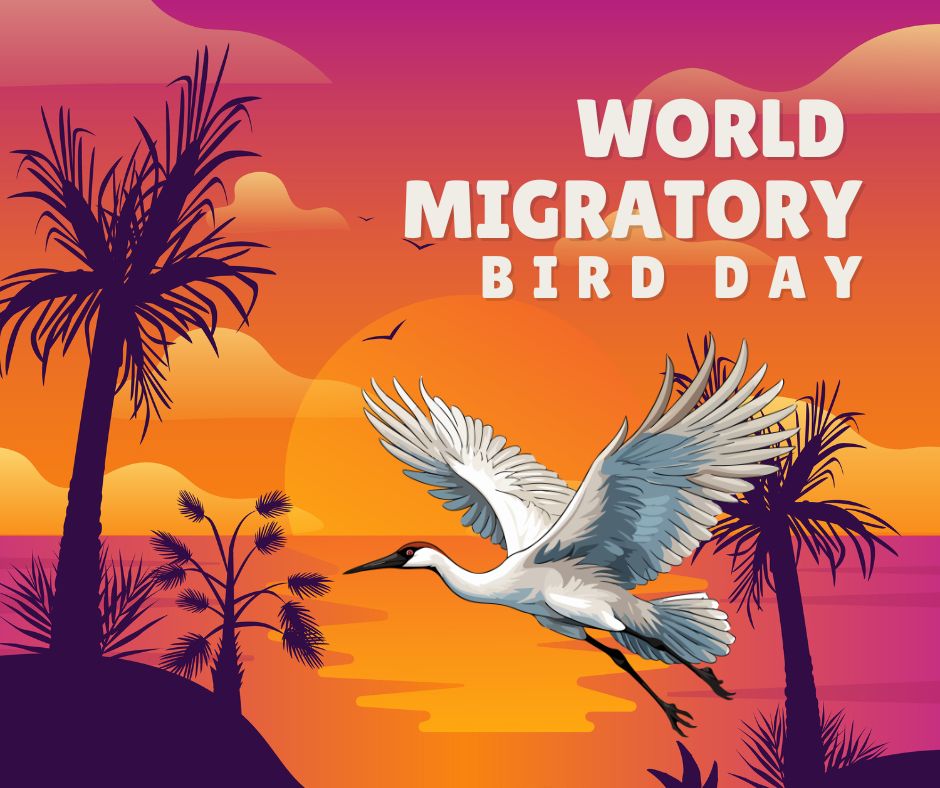
Every year, millions of birds travel thousands of kilometers across countries and continents in search of food, breeding grounds, and suitable climates. These incredible journeys are among nature’s greatest wonders. reminds people around the world about the importance of protecting migratory birds and preserving the ecosystems they depend on.
Also Read: Victory Day 2026: History, Significance, Celebrations, and Interesting Facts
Migratory birds connect forests, wetlands, mountains, and oceans across the planet. They play a vital role in maintaining ecological balance, controlling pests, pollinating plants, and spreading seeds. However, climate change, pollution, habitat destruction, and human activities are putting many migratory bird species at risk.
World Migratory Bird Day 2026 is more than just an environmental campaign. It is a global movement that encourages governments, organizations, students, and communities to work together for bird conservation.
What is World Migratory Bird Day?
World Migratory Bird Day is a global awareness campaign dedicated to the protection of migratory birds and their habitats.
The event highlights the challenges faced by migratory birds and encourages worldwide action for bird conservation. It is supported by organizations such as the:
The main aim of the day is to educate people about how migratory birds contribute to healthy ecosystems and why they need protection.
World Migratory Bird Day 2026 Date
World Migratory Bird Day 2026 will be celebrated on May 9, 2026, with a second, autumn date on October 10, 2026.
The dual observance helps raise awareness during both spring and autumn migration seasons.
During these periods, millions of birds travel across continents, oceans, and countries in search of food, breeding grounds, and suitable weather conditions.
World Migratory Bird Day 2026 Theme
The Theme for World Migratory Bird Day 2026 is “Every Bird Counts – Your Observations Matter!”, highlighting the vital role of community science in bird conservation. This campaign focuses on how individual observations of birds help track, protect, and conserve migratory species worldwide.
History of World Migratory Bird Day
The idea behind World Migratory Bird Day was introduced to spread awareness about the need for migratory bird conservation worldwide.
The campaign was launched under international agreements dedicated to wildlife and biodiversity protection.
Over the years, the event has grown into a worldwide environmental awareness movement involving countries across:
- Asia
- Europe
- Africa
- The Americas
Migratory birds travel across national borders, making international cooperation essential for their survival.
Today, World Migratory Bird Day is recognized as one of the most important global wildlife awareness events.
Importance of Migratory Birds
Migratory birds are essential for maintaining ecological balance and supporting biodiversity.
1. Natural Pest Control
Many migratory birds feed on insects and agricultural pests. This helps farmers protect crops naturally and reduces the need for harmful chemicals.
2. Pollination and Seed Dispersal
Certain bird species help pollinate plants and spread seeds across large distances, supporting forest regeneration and plant growth.
3. Environmental Health Indicators
Bird populations often reflect the health of ecosystems. A decline in migratory birds may indicate pollution, habitat loss, or climate-related problems.
4. Maintaining Biodiversity
Migratory birds interact with multiple ecosystems during their journeys and help maintain ecological stability.
5. Economic and Cultural Importance
Birdwatching tourism supports local economies in many regions. Birds also hold cultural importance in traditions, art, folklore, and literature.
Major Threats Faced by Migratory Birds
Despite their importance, migratory birds face several serious threats.
Habitat Loss
Deforestation, urbanization, and wetland destruction reduce safe resting and breeding areas for birds.
Climate Change
Changing weather patterns affect migration timing, food availability, and breeding conditions.
Plastic Pollution
Plastic waste in rivers, wetlands, and oceans harms birds through ingestion and entanglement.
Light Pollution
Bright city lights confuse birds during nighttime migration and increase the risk of collisions.
Illegal Hunting and Trade
Some bird species are illegally hunted or captured for trade, causing population declines.
Pollution and Chemicals
Industrial pollution and pesticides contaminate water bodies and food sources.
World Migratory Bird Day 2026 Activities
People around the world celebrate the day through educational and environmental activities.
Popular Celebration Activities
- Birdwatching events
- Nature walks
- School awareness programs
- Drawing and essay competitions
- Wildlife photography contests
- Social media awareness campaigns
- Tree plantation drives
- Community clean-up campaigns
These activities help spread awareness about bird conservation and environmental protection.
How You Can Help Protect Migratory Birds
Everyone can contribute to protecting migratory birds through small but meaningful actions.
Simple Ways to Help
- Reduce plastic use
- Plant native trees and plants
- Protect wetlands and water bodies
- Turn off unnecessary lights at night
- Avoid disturbing bird nests
- Support wildlife conservation groups
- Spread awareness about bird protection
Even small actions can make a significant difference in preserving bird habitats.
Interesting Facts About Migratory Birds
- Some migratory birds travel thousands of kilometers without stopping.
- The Arctic tern has one of the longest migration routes in the world.
- Certain birds use stars and Earth’s magnetic field for navigation.
- Many migratory birds fly in V-shaped formations to conserve energy.
- Some species can fly at extremely high altitudes during migration.
Why World Migratory Bird Day Matters Today
Migratory birds face growing environmental challenges in today’s world.
Climate change, pollution, habitat destruction, and human activities continue to threaten bird populations globally.
World Migratory Bird Day reminds people that protecting birds also means protecting forests, wetlands, oceans, and biodiversity.
By spreading awareness and supporting conservation efforts, people can help create a safer future for migratory birds and the environment.
Conclusion
World Migratory Bird Day 2026 highlights the importance of protecting migratory birds and preserving natural ecosystems.
These birds connect countries and ecosystems through their remarkable journeys and play an important role in maintaining environmental balance.
However, rising environmental threats continue to endanger many species.
Celebrating World Migratory Bird Day 2026 encourages individuals, communities, and governments to work together for bird conservation and biodiversity protection.
Every small effort — from reducing pollution to protecting habitats — helps create a better future for migratory birds and future generations.
FAQs About World Migratory Bird Day 2026
1. What is World Migratory Bird Day?
World Migratory Bird Day is a global awareness campaign that promotes the conservation of migratory birds and their habitats.
2. When is World Migratory Bird Day 2026 celebrated?
World Migratory Bird Day 2026 will be celebrated on May 9, 2026, with a second, autumn date on October 10, 2026.
3. Why are migratory birds important?
Migratory birds help maintain ecosystems through pollination, seed dispersal, pest control, and biodiversity support.
4. What are the biggest threats to migratory birds?
Major threats include climate change, habitat destruction, pollution, illegal hunting, and light pollution.
5. How can people help protect migratory birds?
People can reduce plastic waste, plant native trees, protect wetlands, save energy, and support wildlife conservation efforts.
6. Why do birds migrate?
Birds migrate to find food, suitable climates, and safe breeding grounds during different seasons.
7. What is the purpose of World Migratory Bird Day?
The purpose of the day is to raise awareness about migratory bird conservation and encourage global action to protect bird species and habitats.