


Introduction
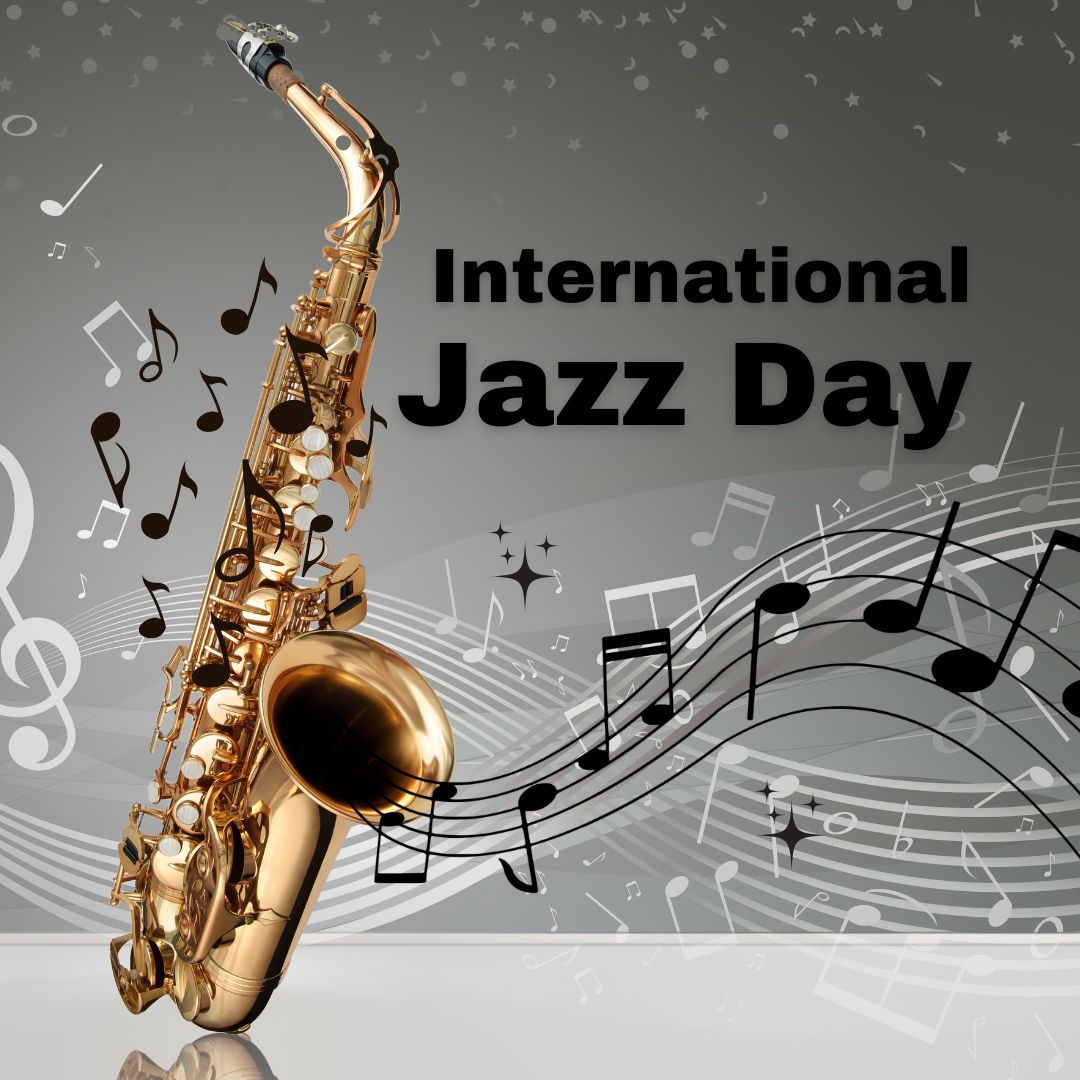
From lively street performances to grand concert halls, jazz has always been more than just music—it’s a powerful form of expression that connects people across cultures. Celebrated every year on April 30, International Jazz Day 2026 brings together musicians, educators, and fans worldwide to honor this unique art form.
Also Read: National Honesty Day 2026: Date, History, Importance, Theme & Ways to Celebrate
In 2026, the world will once again celebrate the magic of jazz, a genre known for its creativity, improvisation, and cultural significance. Whether you’re a lifelong jazz enthusiast or someone just discovering its rhythm, International Jazz Day 2026 offers the perfect opportunity to explore its rich legacy and global impact.
What is International Jazz Day?
International Jazz Day is a global celebration established by UNESCO in 2011. It is observed annually on April 30 to highlight the role of jazz in promoting peace, dialogue, and mutual understanding.
The day aims to unite people from different backgrounds through the universal language of music. Jazz, with its roots in freedom and creativity, serves as a symbol of cultural exchange and social harmony.
International Jazz Day 2026 Theme
While the official theme for International Jazz Day 2026 may be announced closer to the date, the celebration typically revolves around ideas like cultural unity, artistic freedom, and global collaboration.
For 2026, it is expected that the focus will continue to highlight how jazz bridges cultural gaps and inspires innovation in music.
History and Origin of International Jazz Day
International Jazz Day was proposed by legendary jazz pianist Herbie Hancock, who also serves as a UNESCO Goodwill Ambassador.
Jazz itself originated in the late 19th and early 20th centuries in African-American communities. The city of New Orleans is widely recognized as the birthplace of jazz, where diverse musical traditions blended to create something entirely new.
Over time, jazz evolved into various styles such as swing, bebop, and fusion, influencing countless other genres across the globe.
Why Jazz is Important Globally
Jazz holds a special place in the world of music because of its unique characteristics:
- Freedom of Expression: Jazz allows musicians to improvise and express emotions freely.
- Cultural Diversity: It blends influences from different cultures and traditions.
- Social Connection: Jazz performances often bring communities together.
More importantly, jazz acts as a universal language that transcends borders. It has played a role in social movements, cultural diplomacy, and artistic innovation for decades.
Significance of International Jazz Day 2026
International Jazz Day is not just about music—it carries a deeper meaning in today’s world.
1. Promotes Global Unity
Jazz connects people regardless of language, nationality, or background.
2. Encourages Creativity
The improvisational nature of jazz inspires creativity and innovation.
3. Supports Cultural Exchange
It creates opportunities for artists from different cultures to collaborate.
4. Inspires Youth
Young musicians are encouraged to explore jazz and develop their artistic skills.
In 2026, the celebration will continue to emphasize these values, making it relevant in a rapidly changing global landscape.
International Jazz Day 2026 Activities
Every year, countries around the world organize a variety of events to celebrate International Jazz Day.
Common Celebrations Include:
- Live jazz concerts and global performances
- Music workshops and masterclasses
- Educational programs in schools and colleges
- Online streaming events and virtual concerts
- Community festivals and cultural gatherings
The highlight is usually the All-Star Global Concert, featuring renowned jazz artists from different parts of the world.
International Jazz Day in India
Jazz may not be as mainstream in India as Bollywood music, but it has a growing and vibrant audience.
Cities like Mumbai, Delhi, and Bengaluru host jazz festivals, live gigs, and fusion performances.
Indian musicians are also experimenting with jazz fusion, blending classical Indian sounds with jazz elements. This unique combination has helped jazz gain popularity among younger audiences in India.
Famous Jazz Artists Who Shaped the Genre
Several legendary musicians have played a key role in shaping jazz into what it is today:
- Louis Armstrong: Known for his trumpet skills and charismatic voice
- Miles Davis: A pioneer of modern jazz and fusion
- Ella Fitzgerald: Famous for her vocal range and improvisation
- Duke Ellington: A master composer and bandleader
Their contributions have left a lasting impact on music worldwide.
How You Can Celebrate International Jazz Day 2026
You don’t need to be a musician to enjoy International Jazz Day. Here are some simple ways to participate:
- Listen to jazz playlists or classic albums
- Attend a local jazz concert or online event
- Learn about jazz history and artists
- Try playing a musical instrument
- Share jazz music with friends and on social media
Even small actions can help keep the spirit of jazz alive.
Interesting Facts About Jazz
- Jazz is often called “America’s classical music.”
- Improvisation is its defining feature.
- Jazz has influenced genres like rock, pop, and hip-hop.
- It has been used as a tool for cultural diplomacy worldwide.
These facts highlight why jazz remains relevant even today.
Challenges Facing Jazz Today
Despite its rich legacy, jazz faces several challenges:
- Declining mainstream popularity
- Competition from modern digital music trends
- Limited exposure among younger audiences
- Need for better funding and support
Addressing these challenges is essential to preserving jazz for future generations.
Future of Jazz Music
The future of jazz looks promising, thanks to innovation and technology:
- Rise of jazz fusion and experimental styles
- Digital platforms helping artists reach global audiences
- Increased interest among young musicians
- Cross-cultural collaborations
Jazz continues to evolve while staying true to its roots of creativity and expression.
Conclusion
International Jazz Day 2026 is a reminder of how music can bring people together. From its origins in New Orleans to its global influence today, jazz remains a symbol of freedom, creativity, and unity.
As the world celebrates this special day on April 30, take a moment to listen, learn, and appreciate the beauty of jazz. After all, jazz isn’t just music—it’s a conversation that connects the world.
FAQs on International Jazz Day 2026
1. When is International Jazz Day 2026 celebrated?
International Jazz Day is celebrated on April 30, 2026, worldwide.
2. Who started International Jazz Day?
It was established by UNESCO in 2011, with support from Herbie Hancock.
3. Why is jazz important?
Jazz promotes creativity, cultural diversity, and global unity, making it a powerful form of artistic expression.
4. What is the theme of International Jazz Day 2026?
The official theme may be announced later, but it typically focuses on unity, culture, and education.
5. How is International Jazz Day celebrated?
Through concerts, workshops, educational programs, and global music events.
6. Is jazz popular in India?
Yes, especially in cities like Mumbai, Delhi, and Bengaluru, where jazz festivals and performances are growing.
7. How can I participate in Jazz Day?
You can listen to jazz music, attend events, learn about artists, or share jazz content online.