


Introduction
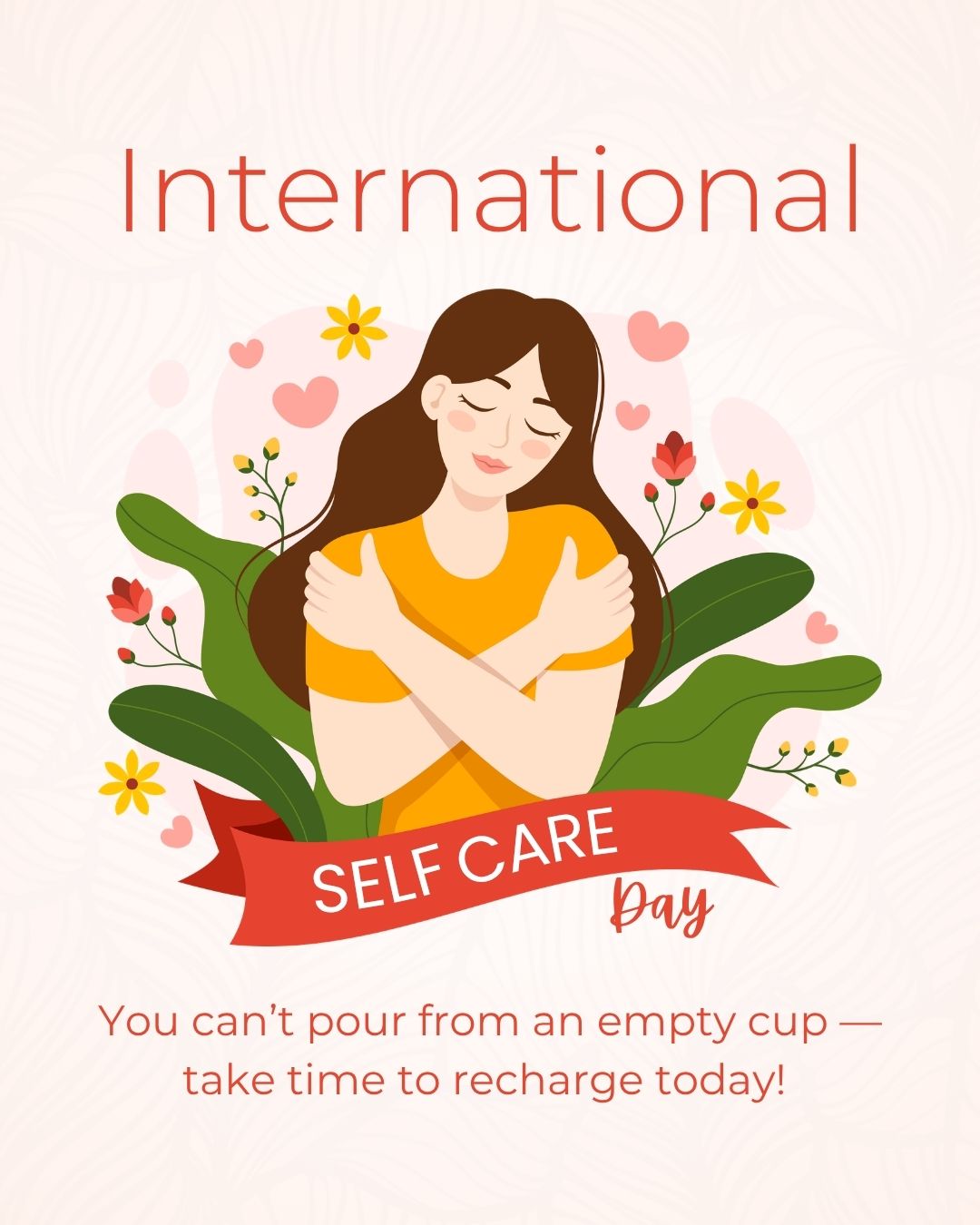
In today’s busy world, taking care of yourself is more important than ever. Work, studies, family responsibilities, and screen time can affect both physical and mental health. International Self-Care Day 2026 reminds us to pause and make our well-being a priority.
Also Read: World Laughter Day 2026: Date, Theme, History, Benefits & How to Celebrate
Observed every year on 24 July, this global awareness day encourages people to adopt healthy habits that improve their quality of life. The date 24/7 (24 July) symbolizes that self-care should be practiced 24 hours a day, 7 days a week.
Simple habits like eating nutritious food, exercising, sleeping well, staying hydrated, and managing stress can have a lasting impact on overall health. In this article, you’ll learn about the International Self-Care Day 2026 date, history, theme, significance, and practical self-care tips.
What is International Self-Care Day?
International Self-Care Day is a global observance that promotes the importance of caring for your physical, mental, emotional, and social well-being. It encourages people to make healthy choices every day instead of waiting until health problems arise.
Self-care includes eating a balanced diet, staying active, getting enough sleep, managing stress, maintaining healthy relationships, and seeking medical advice when needed. The day also raises awareness about preventive healthcare and inspires individuals and communities to build healthier lifestyles.
International Self-Care Day 2026 Date
International Self-Care Day 2026 will be observed on Friday, 24 July 2026.
History of International Self-Care Day
International Self-Care Day was established in 2011 by the International Self-Care Foundation (ISF), the date—July 24—symbolizes that self-care is a round-the-clock, year-round practice, representing 24 hours a day, 7 days a week.
The origins of the event trace back to the early 2000s, as the ISF began documenting the economic and public health need for individuals to take responsibility for their own health, aiming to reduce the burden on formal healthcare systems.
The day marks the culmination of International Self-Care Month, which runs from June 24th to July 24th, designated to help populations prevent disease and manage existing conditions through everyday habits. The Global Self-Care Federation spearheads the day, utilizing annual themes focused on resilience and adaptability in health.
International Self-Care Day 2026 Theme
The official theme for International Self-Care Day 2026 is “Your Mental Health Matters,” highlighting the importance of balancing mental wellness alongside physical health and establishing small, consistent daily habits.
Additionally, the World Health Organization (WHO) focuses this year’s related global observance around the campaign: “Self-Care puts your health in your hands: Test. Track. Thrive.”
Why is International Self-Care Day Celebrated?
International Self-Care Day encourages people to take responsibility for their health through simple daily habits. It highlights that self-care is not a luxury but an essential part of a healthy and balanced life.
The day aims to:
- Promote healthy lifestyle habits.
- Raise awareness about preventive healthcare.
- Support mental and emotional well-being.
- Reduce the risk of lifestyle-related diseases.
- Encourage regular exercise and healthy eating.
- Inspire better work-life balance.
- Build healthier families and communities.
By practicing self-care every day, people can improve their physical, mental, and emotional well-being while enjoying a healthier and happier life.
Importance of Self-Care
Self-care is essential for maintaining good health and improving your overall quality of life. It helps you stay physically fit, mentally strong, and emotionally balanced. By taking care of yourself every day, you can better handle stress, boost productivity, and enjoy healthier relationships.
Some key benefits of self-care include:
- Improves physical health
- Supports mental well-being
- Reduces stress and anxiety
- Increases energy and focus
- Boosts confidence and self-esteem
- Promotes better work-life balance
- Helps prevent lifestyle-related diseases
Making self-care a daily habit can lead to a healthier, happier, and more balanced life.
Types of Self-Care
Self-care includes different areas of health that work together to improve your overall well-being.
Physical Self-Care
Taking care of your body helps you stay active and healthy.
Examples:
- Exercise regularly
- Eat nutritious meals
- Drink enough water
- Get 7–8 hours of sleep
- Schedule regular health checkups
Mental Self-Care
Keeping your mind healthy improves focus, creativity, and decision-making.
Examples:
- Read books
- Learn new skills
- Solve puzzles
- Practice mindfulness
- Take breaks from work
Emotional Self-Care
Managing emotions helps build resilience and inner peace.
Examples:
- Practice gratitude
- Write in a journal
- Talk with family or friends
- Express your feelings
- Seek support when needed
Social Self-Care
Healthy relationships improve emotional well-being and reduce loneliness.
Examples:
- Spend time with loved ones
- Stay connected with friends
- Join community activities
- Support others
- Build meaningful relationships
Spiritual Self-Care
Spiritual practices can bring purpose and inner calm.
Examples:
- Meditate
- Pray
- Practice yoga
- Spend time in nature
- Reflect on personal values
Digital Self-Care
Reducing screen time helps improve focus and mental health.
Examples:
- Limit social media use
- Take regular screen breaks
- Avoid devices before bedtime
- Enjoy offline hobbies
- Try a digital detox
Benefits of Practicing Self-Care
Regular self-care offers many long-term health benefits, including:
- ✅ Reduces stress and anxiety
- ✅ Improves mood
- ✅ Boosts immunity
- ✅ Increases energy levels
- ✅ Enhances concentration
- ✅ Promotes better sleep
- ✅ Prevents burnout
- ✅ Supports heart health
- ✅ Encourages healthy habits
- ✅ Improves overall quality of life
Simple Self-Care Ideas for Everyday Life
You don’t need expensive products or vacations to practice self-care. Small daily habits can make a big difference.
- 🌿 Eat healthy and balanced meals.
- 💧 Drink plenty of water.
- 🚶 Exercise for at least 30 minutes.
- 😴 Get enough sleep every night.
- 🧘 Practice meditation or deep breathing.
- 📖 Read a book or learn something new.
- 📵 Limit screen time and social media.
- 🌳 Spend time outdoors.
- 😊 Practice gratitude every day.
- 👨👩👧 Spend quality time with family and friends.
- 🎯 Take short breaks during work or study.
- ❤️ Be kind to yourself and celebrate small achievements.
Developing these simple habits can improve your physical, mental, and emotional well-being while helping you lead a healthier and more fulfilling life.
International Self-Care Day 2026 Activities
International Self-Care Day is a great opportunity to focus on your well-being and encourage others to do the same. You can celebrate by making simple, healthy choices that benefit both your body and mind.
Here are some meaningful ways to observe the day:
- 🧘 Practice yoga or meditation.
- 🚶 Go for a walk or exercise.
- 🥗 Eat healthy, balanced meals.
- 💧 Stay hydrated throughout the day.
- 📵 Take a break from social media.
- 📚 Read a book or enjoy a hobby.
- 👨👩👧 Spend quality time with family and friends.
- 😊 Practice gratitude and positive thinking.
- ❤️ Encourage others to adopt healthy habits.
- 🌿 Join a local wellness or health awareness event.
Interesting Facts About Self-Care
Self-care is a science-backed necessity, not a luxury. Explore the World Health Organization for foundational guidelines, and read the Verywell Mind Guide to easily design a routine that fits your exact needs.
Here are 10 interesting facts about self-care:
- Boosts Brainpower: Hobbies, puzzles, and even 10 to 30 minutes of daily movement stimulate the brain to produce beneficial chemicals like serotonin, improving memory and learning.
- Reduces Burnout: Regularly taking time to decompress and rest actively lowers the likelihood of emotional exhaustion.
- Improves Physical Health: The Centers for Disease Control and Prevention (CDC) details how simple habits like regular exercise and eating a healthy diet decrease mortality and reduce the risk of chronic diseases.
- Boosts Immunity: Getting 7 to 8 hours of sleep every night protects your physical and mental health by repairing the body and supporting immune function.
- Not a One-Size-Fits-All: According to Cleveland Clinic, self-care can be highly personalized. It can mean yoga, an Epsom salt bath, or even just binge-watching a TV show in peace.
- Lowers Blood Pressure: Activities that quiet the mind, such as spending time in nature or meditating, can physically lower stress and reduce blood pressure.
- It is Not Selfish: Practicing self-care is required to maintain a healthy relationship with yourself, which ultimately gives you the renewed energy needed to help others.
- Increases Resilience: People who actively care for their emotional and mental well-being adapt much better to sudden stress, trauma, and everyday challenges.
- Speeds Up Recovery: Self-care encompasses coping with and managing symptoms of diseases, whether alone or in partnership with a healthcare professional.
- Customizable Categories: True self-care is holistic and covers different areas of your life, including physical, emotional, mental, social, and spiritual well-being.
Inspirational International Self-Care Day 2026 Quotes
“Self-care is giving the world the best of you, not what’s left of you.”
“Taking care of yourself is the first step toward taking care of others.”
“A healthy mind and body create a happier life.”
“Small acts of self-care lead to big changes over time.”
“Your well-being deserves your daily attention.”
Common Myths About Self-Care
Myth 1: Self-care is selfish.
Fact: Taking care of yourself helps you better care for others.
Myth 2: Self-care is expensive.
Fact: Healthy eating, walking, sleeping well, and meditation cost little or nothing.
Myth 3: Self-care is only for weekends.
Fact: Self-care should be practiced every day.
Myth 4: Self-care only means spa treatments.
Fact: It also includes exercise, healthy habits, emotional wellness, and preventive healthcare.
Myth 5: Busy people don’t have time for self-care.
Fact: Even 10–15 minutes of daily self-care can improve overall well-being.
How Schools, Workplaces, and Communities Can Promote Self-Care
Everyone has a role in creating a healthier environment. Schools, offices, and communities can support self-care by:
- Organizing health and wellness workshops.
- Promoting regular physical activities.
- Encouraging healthy eating habits.
- Providing mental health support.
- Hosting yoga or meditation sessions.
- Creating awareness about preventive healthcare.
- Supporting a healthy work-life balance.
These efforts help build healthier, happier, and more productive communities.
Conclusion
International Self-Care Day 2026, observed on 24 July, is a reminder that good health starts with everyday choices. From eating nutritious food and exercising to managing stress and getting enough rest, small habits can make a lasting difference.
Self-care is not a luxury—it’s an essential part of living a healthy and balanced life. By making self-care a daily priority, you can improve your physical, mental, and emotional well-being while inspiring those around you to do the same.
Let’s celebrate International Self-Care Day 2026 by taking one positive step toward a healthier, happier future.
Frequently Asked Questions (FAQs)
1. When is International Self-Care Day 2026?
International Self-Care Day 2026 will be observed on Friday, 24 July 2026.
2. Why is International Self-Care Day celebrated?
It is celebrated to promote healthy habits, preventive healthcare, and overall physical and mental well-being.
3. What is the theme of International Self-Care Day 2026?
The official theme for International Self-Care Day 2026 is “Your Mental Health Matters,”.
4. Who started International Self-Care Day?
The day was established by the International Self-Care Foundation (ISF).
5. What does 24/7 mean in International Self-Care Day?
It symbolizes that self-care should be practiced 24 hours a day, 7 days a week.
6. How can I celebrate International Self-Care Day?
You can exercise, eat healthy meals, meditate, stay hydrated, reduce screen time, and spend time with loved ones.
7. Why is self-care important?
Self-care improves physical health, reduces stress, supports mental well-being, and helps maintain a balanced lifestyle.