


Introduction
Mangoes are among the world’s most loved fruits, famous for their sweet taste, rich aroma, and vibrant color. Known as the “King of Fruits,” they have been enjoyed for thousands of years and hold a special place in many cultures, especially in India.
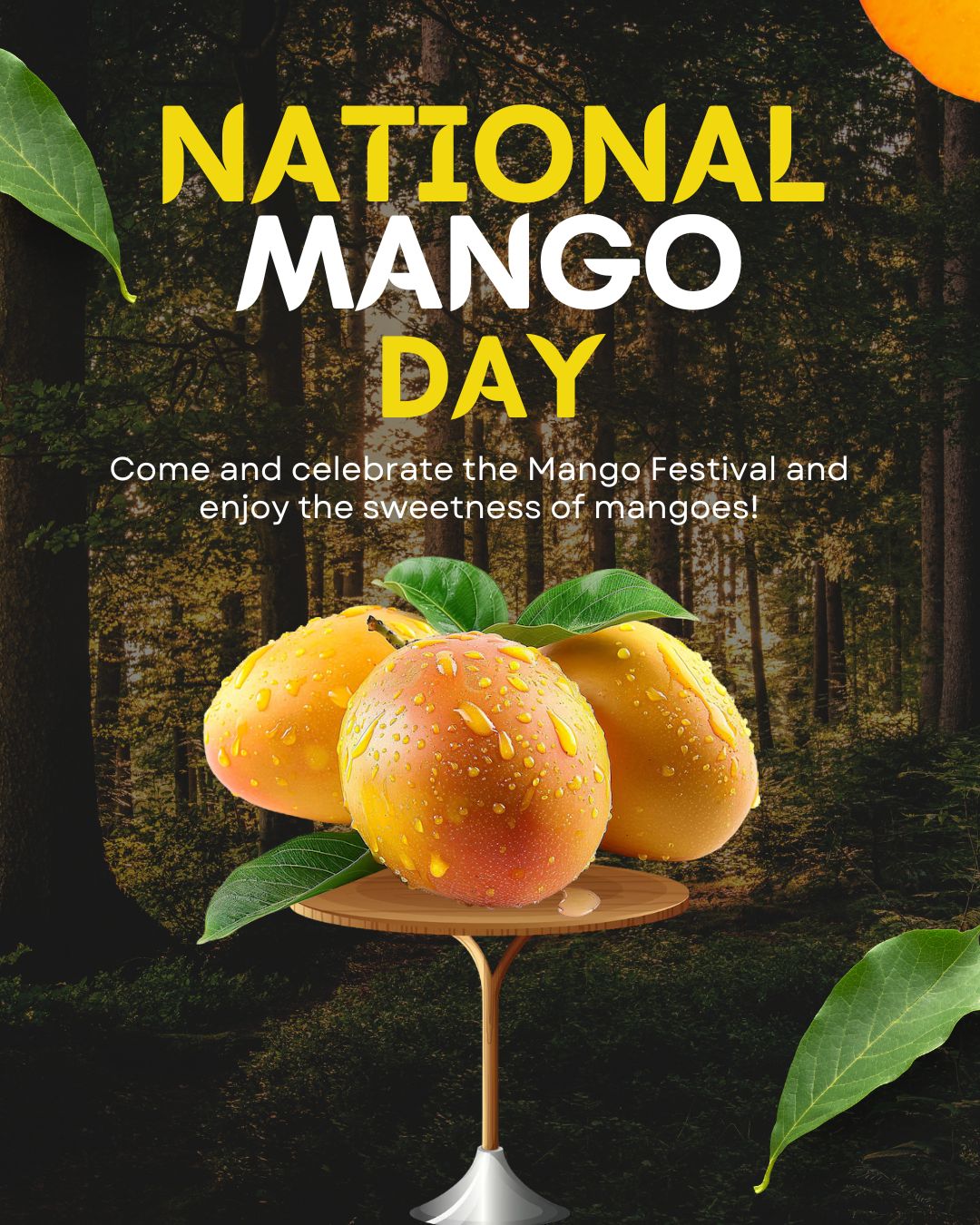
National Mango Day 2026 will be celebrated on Wednesday, July 22, 2026. The day encourages people to enjoy fresh mangoes, try delicious mango recipes, explore different varieties, and appreciate the farmers who grow this seasonal favorite.
In this article, you’ll discover the National Mango Day 2026 date, history, significance, health benefits, popular mango varieties, celebration ideas, and interesting facts.
National Mango Day 2026 Date
National Mango Day 2026 falls on Wednesday, July 22, 2026.
The day celebrates one of the world’s most popular tropical fruits. People mark the occasion by eating fresh mangoes, preparing mango-based dishes, sharing recipes, and learning about the fruit’s cultural and nutritional importance.
What is National Mango Day?
National Mango Day is an annual celebration dedicated to the delicious and nutritious mango. It encourages people to enjoy the fruit in many forms, including fresh slices, juices, smoothies, desserts, salads, and traditional dishes.
The day also recognizes the efforts of mango farmers and promotes awareness of the fruit’s cultural, agricultural, and nutritional value. For mango lovers, it’s the perfect opportunity to celebrate the season’s most iconic fruit.
History of National Mango Day
National Mango Day is observed annually to celebrate the fruit’s rich 5,000-year history and its cultural significance. While the exact origin of the holiday is undocumented, its roots stem from India—the world’s top producer—where the fruit holds deep historical and traditional importance.
Here is how the “King of Fruits” evolved from ancient agriculture to a global celebration:
- Ancient Beginnings: Mangoes were first cultivated in the Indian subcontinent over 5,000 years ago. The fruit’s historical significance is so profound that Mughal Emperor Akbar famously planted an orchard of 100,000 mango trees in Lakhi Bagh, Bihar.
- The Global Spread: The English word “mango” evolved from the Malayan word manna. When Portuguese traders arrived in Kerala in 1498, they adopted the local term as manga. The fruit eventually spread to the Western Hemisphere around 1700, when seeds were planted in Brazil.
- Modern Celebrations: The festival of mangoes gained modern traction in 1987 when the National Horticulture Board of India (and the National Parks Board) introduced the annual International Mango Festival in Delhi. Since then, July 22 has been widely recognized as a day to celebrate mangoes through food festivals and educational awareness across the globe.
Why is Mango Called the King of Fruits?
Mango is known as the “King of Fruits” because of its exceptional taste, rich aroma, nutritional value, and wide variety. It is one of the most popular tropical fruits and is enjoyed by millions around the world.
Here are a few reasons why mango holds this royal title:
- Naturally sweet, juicy, and flavorful.
- Available in 1,000+ varieties worldwide.
- Rich in vitamins, minerals, and antioxidants.
- Used in juices, desserts, pickles, salads, and many traditional dishes.
- Holds cultural and religious importance in several countries.
- Loved by people of all ages.
Its unique combination of taste, nutrition, and versatility makes mango worthy of being called the King of Fruits.
Importance of National Mango Day
National Mango Day is more than just a celebration of a delicious fruit. It highlights the cultural, nutritional, and economic importance of mangoes.
Some key reasons why this day is important include:
- Celebrates one of the world’s favorite tropical fruits.
- Encourages healthy eating with fresh seasonal produce.
- Recognizes the hard work of mango farmers.
- Promotes awareness of different mango varieties.
- Supports local agriculture and fruit growers.
- Inspires people to try new mango recipes.
- Brings families and communities together through food.
Health Benefits of Mango
Mangoes are not only delicious but also packed with nutrients that support overall health.
Rich in Vitamin C
Mangoes contain plenty of vitamin C, which helps strengthen the immune system and supports healthy skin.
Good for Eye Health
Vitamin A and antioxidants in mangoes help maintain healthy vision and support eye health.
Supports Digestion
Dietary fiber and natural enzymes aid digestion and help keep the digestive system healthy.
Promotes Heart Health
Potassium and fiber help maintain normal blood pressure and support heart health.
Healthy Skin
The vitamins and antioxidants in mangoes contribute to glowing, healthy-looking skin.
Natural Energy Booster
Natural sugars and carbohydrates provide a quick source of energy, making mangoes a refreshing snack.
Rich in Antioxidants
Mangoes contain antioxidants that help protect the body’s cells from damage caused by free radicals.
Popular Types of Mangoes Around the World
With more than 1,000 varieties grown worldwide, mangoes come in different shapes, sizes, flavors, and colors. Here are some of the most popular varieties:
- Alphonso (India): Known as the “King of Mangoes”. It is celebrated for its saffron-hued, buttery, non-fibrous flesh and deep honey-sweet flavor.
- Carabao (Philippines): Dubbed one of the sweetest mangoes in the world. It is highly prized globally for its rich, tropical sweetness and smooth, melting texture.
- Ataulfo / Champagne (Mexico/Latin America): Small, kidney-shaped, with golden-yellow skin. Extremely sweet and creamy with virtually no fiber.
- Kesar (India): A golden-yellow mango with a distinct saffron-colored pulp and an intense, rich sweetness.
- Kent (USA/Peru/Ecuador): Large and juicy. It is almost fiberless, offering a rich, sweet flavor and a mostly green skin with a deep red blush.
- Nam Doc Mai (Thailand): Slender and yellow. It is intensely sweet, aromatic, and features a smooth, floral taste.
- Tommy Atkins (Latin America/USA): The most common commercial export variety in the world. It features firm, fibrous flesh and a mild, sweet-tangy taste.
- Sindhri (Pakistan): A large, oval mango with a pale yellow skin, known for its extreme sweetness and long shelf-life.
- Keitt (USA/Mexico/China): A late-season mango that remains green even when ripe. It is very juicy, sweet, and excellent for slicing.
How National Mango Day is Celebrated
People celebrate National Mango Day in many fun and delicious ways. Whether at home or with friends, the day is all about enjoying the King of Fruits.
Popular celebration ideas include:
- Enjoy fresh, ripe mangoes.
- Prepare mango smoothies, shakes, or lassi.
- Make desserts like mango ice cream, cheesecake, or pudding.
- Try traditional dishes made with mangoes.
- Visit local mango festivals or fruit markets.
- Buy mangoes from local farmers to support agriculture.
- Share mango recipes and photos on social media.
- Spend time with family by enjoying mango-themed meals.
10 Fun Facts About Mangoes
- King of Fruits: Mangoes are the national fruit of India, Pakistan, and the Philippines, and the mango tree is the national tree of Bangladesh.
- Shocking Relatives: They are closely related to cashews, pistachios, and surprisingly, poison ivy.
- Ancient Origins: Cultivated in India for over 5,000 years, their seeds were eventually spread globally by migrating humans.
- Centuries of Fruit: A well-cared-for mango tree can live and bear fruit for more than 300 years.
- Massive Variety: There are over 1,000 different varieties of mangoes grown worldwide.
- Paisley Inspiration: The famous textile and design pattern, paisley, is based on the curved shape of a mango.
- Historical Orchards: Mughal Emperor Akbar planted the famous Lakhi Bagh orchard in Darbhanga (Bihar), containing a staggering 100,000 mango trees.
- Natural Nutrition: Just one cup of mango provides your entire daily recommended dose of Vitamin C and 35% of your daily Vitamin A.
- Tree Sap Danger: The sap from a mango tree contains urushiol, the exact same oily skin-irritating chemical found in poison ivy.
- Size of Production: Over 43 million tonnes of mangoes are produced globally each year.
National Mango Day 2026 Quotes
Celebrate the sweetness of mangoes with these inspiring and fun quotes:
- “Life is sweeter with a ripe mango.”
- “Every bite of a mango tastes like sunshine.”
- “A summer without mangoes is a summer incomplete.”
- “Happiness is sharing a delicious mango with loved ones.”
- “Celebrate National Mango Day with the King of Fruits!”
- “Fresh mangoes bring joy to every season.”
Best Mango Recipes to Try
National Mango Day is the perfect time to enjoy mangoes in different ways. Here are some delicious recipes to try:
- 🥭 Mango Shake
- 🥭 Mango Smoothie
- 🥭 Mango Lassi
- 🥭 Mango Ice Cream
- 🥭 Mango Cheesecake
- 🥭 Mango Salsa
- 🥭 Mango Sticky Rice
- 🥭 Fresh Mango Salad
These recipes are easy to prepare and perfect for family gatherings or summer treats.
How to Choose the Perfect Mango
Picking the right mango ensures the best taste and texture. Keep these tips in mind:
- Choose a mango that feels slightly soft when gently squeezed.
- Smell near the stem—a sweet aroma usually indicates ripeness.
- Avoid mangoes with deep wrinkles, cuts, or bruises.
- Color alone isn’t always a sign of ripeness, as it varies by variety.
- Let unripe mangoes ripen at room temperature before eating.
Conclusion
National Mango Day 2026 is a wonderful opportunity to celebrate one of the world’s most loved fruits. From its rich history and incredible health benefits to its many delicious varieties, the mango truly deserves its title as the King of Fruits.
On Wednesday, July 22, 2026, enjoy your favorite mango, try a new recipe, and appreciate the farmers who make this seasonal delight possible. Whether it’s an Alphonso, Kesar, Dasheri, or another variety, National Mango Day is the perfect time to savor the sweetness of nature and share it with your loved ones.
Frequently Asked Questions (FAQs)
1. When is National Mango Day 2026?
National Mango Day 2026 will be celebrated on Wednesday, July 22, 2026.
2. Why is National Mango Day celebrated?
The day celebrates the delicious taste, nutritional value, and cultural importance of mangoes while appreciating the farmers who grow them.
3. Which country produces the most mangoes?
India is the world’s largest producer of mangoes.
4. Why is mango called the King of Fruits?
It earns this title because of its rich flavor, pleasant aroma, nutritional benefits, and wide popularity.
5. Are mangoes healthy?
Yes. Mangoes are rich in vitamins A and C, fiber, antioxidants, and other nutrients that support overall health.
6. Which is the most famous mango variety?
Alphonso is one of the most famous and premium mango varieties, known for its sweetness and rich flavor.
7. How can I celebrate National Mango Day?
You can enjoy fresh mangoes, prepare mango recipes, visit local fruit markets, support mango farmers, and share your favorite mango dishes with family and friends.