


Introduction
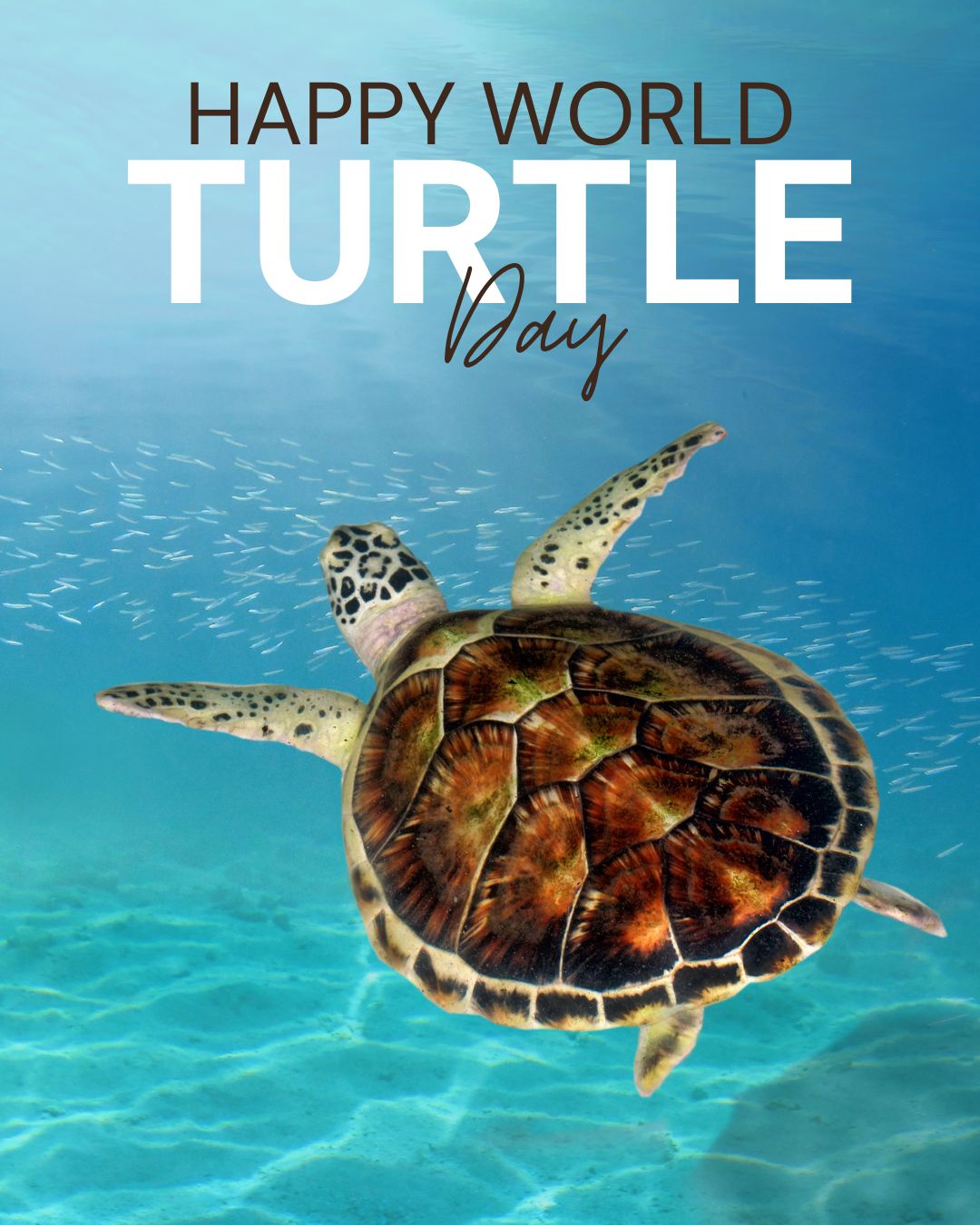
Every year on May 23, people around the world come together to celebrate World Turtle Day, a global awareness event dedicated to protecting turtles and tortoises and preserving their natural habitats. These ancient reptiles have existed on Earth for more than 200 million years, surviving through dramatic environmental changes and even the extinction of dinosaurs.
However, despite their incredible resilience, turtles today face growing threats from pollution, climate change, habitat destruction, and illegal wildlife trade.
Also Read: International Day for Biological Diversity 2026: Theme, History, Importance, and Celebration
World Turtle Day 2026 is an opportunity to spread awareness about the importance of turtle conservation and encourage people to take small but meaningful steps toward protecting marine and freshwater ecosystems.
In this article, we will explore the history, significance, theme, threats, conservation efforts, and interesting facts related to World Turtle Day 2026.
What is World Turtle Day?
World Turtle Day is an annual environmental awareness observance celebrated on May 23 to educate people about turtles and tortoises and inspire actions to protect them. The day highlights the importance of conserving these species and their habitats, many of which are under severe threat due to human activities.
When is World Turtle Day 2026 Celebrated?
World Turtle Day 2026 will be celebrated on Saturday, May 23, 2026.
History of World Turtle Day
World Turtle Day was established in 2000 by American Tortoise Rescue. The organization was founded by Susan Tellem and Marshall Thompson, who dedicated their efforts to rescuing and rehabilitating turtles and tortoises.
The main purpose behind creating the observance was to raise awareness about the declining turtle population and encourage people to respect and protect these animals. Over the years, World Turtle Day has gained international recognition, with environmentalists and wildlife lovers across the globe participating in conservation efforts.
The day also aims to educate people about responsible pet ownership, habitat preservation, and the harmful impact of plastic pollution and illegal wildlife trade.
World Turtle Day 2026 Theme
The theme for World Turtle Day 2026 centers around the “Turtle Protector Pledge,” emphasizing active stewardship and personal commitment to safeguarding these ancient reptiles.
Why Are Turtles Important to the Environment?
Turtles are much more than slow-moving reptiles. They play a crucial role in maintaining the balance of ecosystems both on land and in water.
Maintaining Healthy Oceans
Sea turtles help maintain healthy seagrass beds and coral reefs. Green sea turtles, for example, graze on seagrass, preventing overgrowth and supporting marine biodiversity.
Controlling Marine Populations
Some turtle species feed on jellyfish and other marine organisms, helping maintain balance in ocean food chains.
Supporting Coastal Ecosystems
Sea turtle eggs provide nutrients to beach ecosystems. When eggs hatch or remain unhatched, they enrich the sand and support plant growth.
Cleaning Water Bodies
Freshwater turtles often consume dead fish and decaying organic matter, helping keep ponds, lakes, and rivers cleaner.
Indicators of Environmental Health
Scientists consider turtles bioindicators, meaning their health reflects the overall condition of the environment. A declining turtle population often signals pollution or ecosystem damage.
Types of Turtles Found Around the World
There are more than 350 species of turtles and tortoises found across different parts of the world. These reptiles can generally be grouped into three categories.
Sea Turtles
Sea turtles spend most of their lives in oceans and come ashore mainly for nesting.
Popular species include:
- Green sea turtle
- Leatherback turtle
- Hawksbill turtle
- Loggerhead turtle
- Olive ridley turtle
Freshwater Turtles
These turtles live in rivers, ponds, lakes, and wetlands. They are found in many countries and contribute to freshwater ecosystem health.
Tortoises
Tortoises are land-dwelling reptiles known for their hard shells and long lifespans. Some tortoise species can live for more than 100 years.
Major Threats Faced by Turtles Today
Despite surviving for millions of years, turtles now face several human-made threats that have pushed many species toward extinction.
Plastic Pollution
Plastic waste is one of the biggest dangers to sea turtles. Turtles often mistake floating plastic bags for jellyfish and accidentally consume them, which can cause severe injury or death.
Habitat Destruction
Urban development, tourism, and coastal construction destroy nesting beaches and freshwater habitats used by turtles.
Climate Change
Rising temperatures and sea levels are affecting turtle nesting patterns and hatchling survival rates.
Illegal Wildlife Trade
Many turtles are illegally captured for the exotic pet trade, traditional medicine, and decorative products made from turtle shells.
Fishing Nets and Bycatch
Sea turtles frequently become trapped in fishing nets, causing injury or drowning.
Pollution
Oil spills, chemical waste, and water contamination damage marine ecosystems and threaten turtle populations.
How Climate Change Affects Turtles
Climate change has become one of the biggest long-term threats to turtle survival.
Rising Sand Temperatures
The temperature of nesting sand determines the gender of turtle hatchlings. Warmer temperatures produce more females, creating population imbalance.
Loss of Nesting Beaches
Rising sea levels and coastal erosion destroy turtle nesting habitats.
Ocean Temperature Changes
Changes in ocean currents and water temperature affect food availability and migration patterns.
Extreme Weather Events
Storms and cyclones can damage nesting areas and reduce hatchling survival rates.
Protecting turtle habitats and reducing carbon emissions are important steps toward ensuring their future survival.
Turtle Conservation Efforts Around the World
Many governments, environmental organizations, and volunteers are working hard to protect turtles and tortoises.
Marine Protected Areas
Several countries have created protected marine zones where turtles can feed and nest safely.
Beach Cleanup Campaigns
Volunteers organize cleanup drives to remove plastic and waste from beaches and oceans.
Turtle Rescue Centers
Wildlife rescue organizations treat injured turtles and release them back into their natural habitats.
Awareness Campaigns
Educational programs in schools and communities help spread awareness about turtle conservation.
International Wildlife Laws
Many turtle species are protected under international wildlife conservation agreements that restrict illegal trade.
How Can People Help Save Turtles?
Every individual can contribute to turtle conservation through small everyday actions.
Reduce Plastic Usage
Avoid single-use plastics such as bags, bottles, and straws that often end up in oceans.
Participate in Cleanups
Join beach or river cleanup programs in your local community.
Support Wildlife Organizations
Donate to or volunteer with turtle conservation groups.
Avoid Turtle Products
Do not buy products made from turtle shells or illegal wildlife materials.
Spread Awareness
Use social media and educational activities to inform others about turtle conservation.
Protect Natural Habitats
Respect nesting beaches and avoid disturbing turtle habitats during travel or tourism activities.
World Turtle Day 2026 Activities
People celebrate World Turtle Day in many meaningful and creative ways.
Popular activities include:
- Beach cleanup drives
- Turtle awareness rallies
- Educational workshops
- School art and essay competitions
- Wildlife documentaries
- Nature photography campaigns
- Social media awareness posts
- Fundraising events for conservation groups
Schools and environmental organizations often organize interactive sessions to teach children about marine life conservation and environmental responsibility.
Interesting Facts About Turtles
Here are some fascinating facts about turtles that make them truly unique creatures.
- Turtles have existed for over 200 million years.
- Some turtles can live for more than 100 years.
- Sea turtles travel thousands of kilometers during migration.
- Leatherback turtles are the largest sea turtles in the world.
- Turtles cannot come out of their shells completely.
- Some turtle species can hold their breath underwater for several hours.
- A turtle’s shell is made up of more than 50 bones.
- Sea turtles return to the same beach where they were born to lay eggs.
Why Turtle Conservation Matters for Future Generations
Protecting turtles is not only about saving one species—it is about preserving biodiversity and maintaining healthy ecosystems for future generations.
Turtles contribute to cleaner oceans, healthier coral reefs, and balanced aquatic food chains. If turtle populations continue to decline, marine ecosystems could suffer serious consequences.
Conservation efforts also teach future generations the importance of respecting wildlife and protecting nature. Every small action, from reducing plastic waste to spreading awareness, can help ensure that turtles continue to survive for centuries to come.
Conclusion
World Turtle Day 2026 tells that even the oldest and most resilient creatures on Earth need our protection. Turtles have survived for millions of years, yet modern environmental challenges now threaten their future. From polluted oceans to climate change and habitat destruction, these gentle reptiles face increasing dangers every day.
By raising awareness, reducing pollution, supporting conservation programs, and protecting natural habitats, people around the world can make a meaningful difference. World Turtle Day 2026 is not just a celebration of turtles—it is a global call to protect nature, preserve biodiversity, and build a healthier planet for future generations.
Frequently Asked Questions (FAQs)
1. Why is World Turtle Day celebrated?
World Turtle Day is celebrated to raise awareness about turtle and tortoise conservation and encourage people to protect their habitats.
2. When is World Turtle Day 2026?
World Turtle Day 2026 will be observed on May 23, 2026.
3. Who started World Turtle Day?
The observance was started by American Tortoise Rescue in 2000.
4. What is the theme for World Turtle Day 2026?
The theme for World Turtle Day 2026 centers around the “Turtle Protector Pledge,” emphasizing active stewardship and personal commitment to safeguarding these ancient reptiles.
5. Why are turtles endangered?
Turtles are threatened by plastic pollution, habitat destruction, climate change, illegal trade, and fishing-related injuries.
6. How can people help protect turtles?
People can help by reducing plastic use, supporting conservation programs, participating in cleanups, and spreading awareness.
7. Why are sea turtles important?
Sea turtles help maintain healthy marine ecosystems by supporting coral reefs, seagrass beds, and ocean food chains.



It’s going to be ending of mine day, however before ending I am reading this impressive piece of writing to improve my
experience.