


Introduction
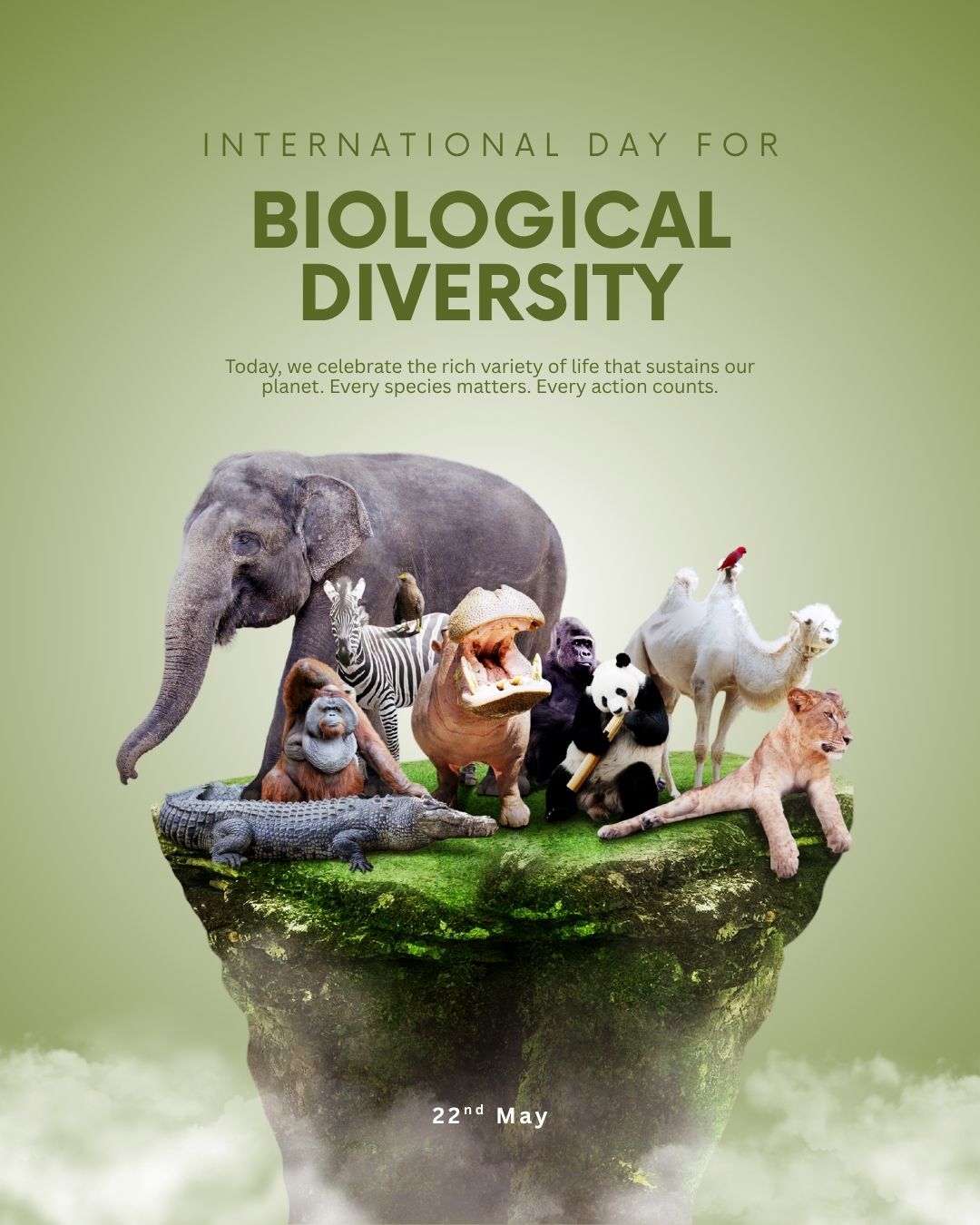
The International Day for Biological Diversity 2026 to remind people about the importance of protecting nature and preserving the incredible variety of life on Earth. From tiny insects and colorful birds to forests, oceans, and wildlife, biodiversity supports human life in countless ways.
However, climate change, pollution, deforestation, and habitat destruction are threatening ecosystems across the globe at an alarming rate.
Also Read: National Endangered Species Day 2026: History, Importance, Theme, and Ways to Protect Wildlife
Observed on 22 May every year, the International Day for Biological Diversity encourages governments, organizations, students, and communities to work together for environmental conservation and sustainable living.
This global observance is led by the United Nations and highlights the importance of protecting all living species for future generations.
What is Biodiversity?
Biodiversity, also known as biological diversity, refers to the variety of living organisms found on Earth. It includes plants, animals, microorganisms, and the ecosystems they form together.
Biodiversity is generally divided into three main types:
Genetic Diversity
This refers to the variation within species. For example, different varieties of rice, fruits, or flowers show genetic diversity.
Species Diversity
It includes the variety of species living in a particular region, such as birds, mammals, insects, reptiles, and marine life.
Ecosystem Diversity
This refers to different natural environments like forests, deserts, wetlands, mountains, rivers, and oceans.
International Day for Biological Diversity 2026 Theme
The theme for International Day for Biological Diversity 2026 is “Acting locally for global impact.”
The theme highlights how small actions taken by individuals, communities, and countries can help protect biodiversity worldwide. It encourages people to conserve nature in their own surroundings—such as planting trees, reducing pollution, protecting wildlife, and using natural resources wisely.
The message behind the theme is simple: when local communities take care of their environment, it creates a positive impact on the planet as a whole.
History of International Day for Biological Diversity
The International Day for Biological Diversity was established by the United Nations to raise awareness about biodiversity-related issues worldwide.
The day is linked to the Convention on Biological Diversity (CBD), an international agreement aimed at conserving biological diversity, promoting sustainable development, and ensuring fair sharing of natural resources.
The roots of this observance go back to the famous Earth Summit held in Rio de Janeiro in 1992. During this conference, world leaders discussed urgent environmental problems and adopted important agreements for protecting the planet.
Initially, the observance was celebrated on 29 December, but later the date was changed to 22 May to mark the adoption of the Convention on Biological Diversity.
Today, the day is observed globally through awareness campaigns, educational programs, conservation activities, and community events.
Why is Biodiversity Important?
Biodiversity is the foundation of life on Earth. Humans depend on healthy ecosystems for survival, even if many people do not realize it in daily life.
Supports Food Security
Agriculture depends heavily on biodiversity. Pollinators like bees and butterflies help crops grow, while fertile soil and clean water support farming activities.
Provides Medicines
Many medicines are derived from plants, animals, and microorganisms found in nature. Biodiversity plays a major role in medical research and healthcare.
Maintains Ecological Balance
Each species has a role in maintaining ecosystem stability. If one species disappears, it can affect the entire food chain.
Helps Fight Climate Change
Forests, wetlands, and oceans absorb carbon dioxide and regulate the Earth’s climate. Conserving biodiversity helps reduce the effects of global warming.
Supports Livelihoods
Millions of people depend on forests, fisheries, agriculture, and tourism for income and employment.
Without biodiversity, human survival itself would be at risk.
Major Threats to Biodiversity in 2026
Despite its importance, biodiversity is declining rapidly across the world. Scientists warn that many species are facing extinction due to human activities.
Deforestation
Large-scale cutting of forests destroys habitats for animals and plants. Forests are often cleared for agriculture, industries, and urban development.
Climate Change
Rising temperatures, extreme weather events, melting glaciers, and changing rainfall patterns are damaging ecosystems globally.
Pollution
Plastic waste, chemical pollution, and industrial emissions are harming rivers, oceans, forests, and wildlife.
Habitat Destruction
Rapid urbanization and infrastructure projects are reducing natural habitats and threatening species survival.
Overexploitation of Natural Resources
Overfishing, hunting, mining, and excessive use of resources are putting immense pressure on ecosystems.
Invasive Species
Non-native species introduced into ecosystems can harm local plants and animals by competing for food and space.
Global Biodiversity Crisis
The world is currently facing a serious biodiversity crisis. Scientists estimate that thousands of species are disappearing faster than ever before due to environmental destruction.
Coral reefs are bleaching because of rising ocean temperatures, forests are shrinking rapidly, and many wildlife species are losing their habitats.
According to environmental reports, wildlife populations have declined significantly over the past few decades. If this trend continues, future generations may inherit a planet with damaged ecosystems and fewer natural resources.
The biodiversity crisis is also directly connected to:
- Food shortages
- Water scarcity
- Health risks
- Climate disasters
- Economic instability
This is why global biodiversity conservation has become one of the most important environmental priorities of the modern era.
India’s Rich Biodiversity
India is one of the world’s megadiverse countries and is home to a wide range of ecosystems and wildlife species.
The country has:
- Dense forests
- Snow-covered mountains
- Mangroves
- Grasslands
- Wetlands
- Coastal ecosystems
India is known for iconic species such as:
- Bengal tiger
- Asiatic lion
- Indian elephant
- Snow leopard
- One-horned rhinoceros
Regions like the Sundarbans, the Himalayas, and the Western Ghats are globally recognized biodiversity hotspots.
International Day for Biological Diversity 2026 Activities
The International Day for Biological Diversity is celebrated worldwide through various environmental awareness and conservation activities.
Tree Plantation Drives
Communities and schools organize tree-planting campaigns to restore green cover and promote environmental responsibility.
Educational Programs
Schools, colleges, and organizations conduct seminars, workshops, quizzes, and awareness campaigns on biodiversity conservation.
Nature Walks and Wildlife Activities
Many people participate in birdwatching, eco-tours, photography contests, and nature exploration activities.
Social Media Campaigns
Environmental organizations use social media platforms to spread awareness about biodiversity protection and sustainable living.
Cleanliness Campaigns
Communities organize beach cleanups, river cleaning drives, and plastic-free campaigns to reduce pollution.
These activities inspire people to reconnect with nature and understand the value of preserving ecosystems.
How Students Can Help Protect Biodiversity
Students and young people can play a major role in biodiversity conservation through simple daily actions.
Plant Trees and Protect Green Spaces
Planting native trees helps improve air quality and supports wildlife habitats.
Reduce Plastic Usage
Avoiding single-use plastics helps reduce pollution in oceans, rivers, and forests.
Save Water and Energy
Conserving natural resources helps reduce environmental pressure.
Learn About Nature
Students can participate in environmental clubs, awareness campaigns, and wildlife conservation programs.
Spread Awareness
Using social media and community activities to educate others about biodiversity protection can create positive change.
Even small efforts can make a big difference when millions of people participate together.
Role of Governments and Organizations
Governments and environmental organizations worldwide are working to protect biodiversity through laws, conservation programs, and sustainable policies.
Organizations such as the United Nations Environment Programme and World Wildlife Fund support global conservation initiatives and awareness campaigns.
Important steps include:
- Creating protected wildlife areas
- Promoting sustainable agriculture
- Reducing pollution
- Supporting renewable energy
- Protecting endangered species
Why International Day for Biological Diversity 2026 Matters More Than Ever
In 2026, environmental awareness is growing rapidly across the world. More people are recognizing the importance of sustainable living and ecological protection.
However, biodiversity loss continues to accelerate due to rising pollution, urban expansion, and unsustainable consumption patterns.
The International Day for Biological Diversity 2026 reminds humanity that protecting nature is not optional—it is essential for survival. It encourages people to adopt eco-friendly habits, support conservation efforts, and build a healthier future for generations to come.
The day also highlights the importance of collective action. Governments alone cannot solve environmental problems. Every individual has a responsibility to protect the planet.
Conclusion
The International Day for Biological Diversity 2026 tells that nature is the foundation of life on Earth. Every species, ecosystem, and natural resource plays an important role in maintaining ecological balance and supporting human survival.
By working together, individuals, communities, governments, and organizations can help create a greener, healthier, and more sustainable future for the planet. Protecting biodiversity today means protecting life for tomorrow.
FAQs About International Day for Biological Diversity 2026
1. When is International Day for Biological Diversity 2026 celebrated?
It is celebrated every year on 22 May.
2. What is the purpose of International Day for Biological Diversity?
The day aims to raise awareness about the importance of biodiversity conservation and sustainable use of natural resources.
3. Who established International Day for Biological Diversity?
The observance was established by the United Nations.
4. Why is biodiversity important?
Biodiversity supports food security, healthcare, climate regulation, clean water, and ecosystem balance.
5. What are the biggest threats to biodiversity?
Major threats include climate change, pollution, deforestation, habitat destruction, and overexploitation of resources.
6. How can students help conserve biodiversity?
Students can plant trees, reduce plastic use, save water, spread awareness, and participate in conservation activities.
7. Why is biodiversity conservation important for future generations?
Protecting biodiversity ensures a healthy planet, stable ecosystems, and sustainable resources for future generations.