


🔰 Introduction
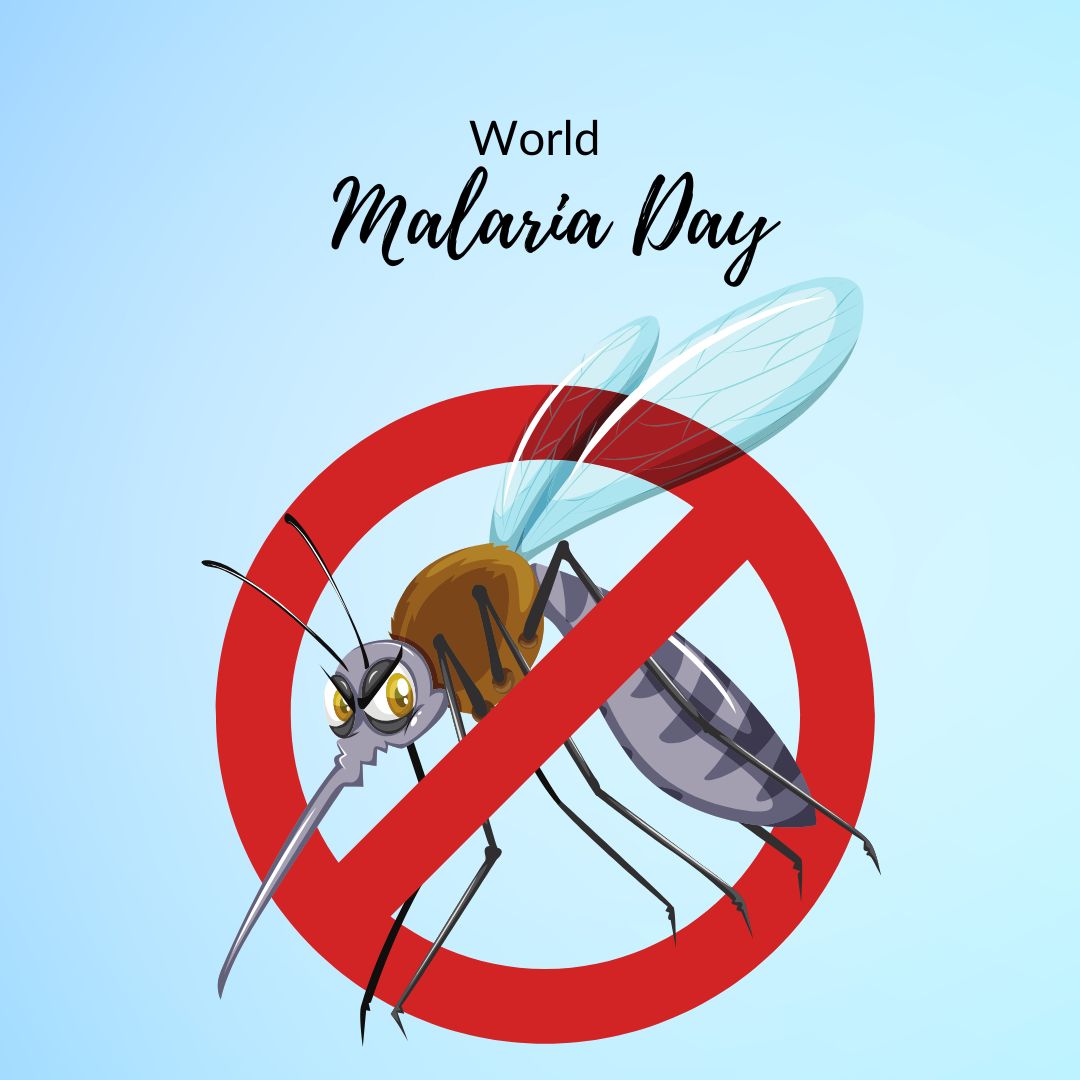
Every year, millions of people across the world are affected by malaria—a disease that is both preventable and treatable, yet still claims lives. World Malaria Day 2026, observed on April 25, serves as a powerful reminder of the global fight against this deadly disease. It is not just a day of awareness, but a call to action for governments, healthcare workers, and individuals to work together toward a malaria-free world.
Also Read: World Penguin Day 2026: Date, History, Significance, Facts & How to Celebrate
Despite significant progress over the years, malaria remains a major public health concern, especially in developing countries. This day highlights the importance of prevention, early diagnosis, and sustained efforts to eliminate malaria completely.
What is World Malaria Day?
World Malaria Day is an international observance dedicated to raising awareness about malaria and promoting efforts to control and eliminate the disease. It was established by the World Health Organization (WHO) in 2007.
The day aims to:
- Educate people about malaria prevention
- Encourage global partnerships
- Promote investment in malaria control programs
- Highlight progress and challenges
History and Origin
World Malaria Day evolved from Africa Malaria Day, which was first observed in 2001. African nations, where malaria had a severe impact, came together to raise awareness and take action.
In 2007, the WHO officially declared April 25 as World Malaria Day to expand the movement globally. Since then, it has become a key platform to:
- Review progress in malaria control
- Promote research and innovation
- Strengthen international cooperation
World Malaria Day 2026 Theme
The World Malaria Day 2026 theme is “Driven to End Malaria: Now We Can. Now We Must.“. This campaign highlights that with improved, innovative tools—including new vaccines, treatments, and technologies—ending malaria is possible, and a concerted, urgent effort is required to fund and achieve a malaria-free future.
🦟 What is Malaria?
Malaria is a serious and sometimes life-threatening disease caused by parasites. It spreads to humans through the bite of an infected female Anopheles mosquito.
When the mosquito bites a person, the parasite enters the bloodstream and affects red blood cells. Malaria is not contagious and does not spread directly from person to person.
Key Facts:
- Caused by Plasmodium parasites
- Spread through mosquito bites
- Common in tropical and subtropical regions
⚠️ Symptoms of Malaria
Malaria symptoms usually appear 10–15 days after infection. Early detection is crucial for effective treatment.
Common Symptoms:
- High fever
- Chills and sweating
- Headache
- Nausea and vomiting
- Fatigue
Severe Symptoms:
- Difficulty breathing
- Organ failure
- Severe anemia
If left untreated, malaria can become life-threatening, especially for children and pregnant women.
🌍 Global Impact of Malaria
Malaria continues to be a major global health issue. According to global health reports:
- Millions of cases are reported every year
- Hundreds of thousands of deaths occur annually
- Africa carries the highest burden
- Children under 5 are most vulnerable
Malaria not only affects health but also impacts:
- Economic productivity
- Education systems
- Community development
🇮🇳 Malaria in India
India has made significant progress in reducing malaria cases over the years. Government initiatives and awareness campaigns have helped control its spread.
Key Efforts:
- National Vector Borne Disease Control Programme (NVBDCP)
- Distribution of mosquito nets
- Public awareness drives
- Improved healthcare access
However, challenges remain in rural and high-risk areas, where sanitation and healthcare facilities are limited.
💊 Prevention Tips for Malaria
Prevention is the most effective way to fight malaria. Simple steps can significantly reduce the risk of infection.
Practical Prevention Tips:
- Use mosquito nets while sleeping
- Apply mosquito repellents
- Wear full-sleeved clothing
- Avoid stagnant water around your home
- Install window screens
- Support indoor spraying programs
These measures are especially important in malaria-prone regions.
🧪 Treatment and Diagnosis
Early diagnosis and treatment are critical to prevent complications.
Key Points:
- Malaria is diagnosed through blood tests
- It is treated using antimalarial medicines
- Timely treatment leads to full recovery
Recent advancements, including malaria vaccines, offer new hope in controlling the disease globally.
World Malaria Day 2026 Activities
World Malaria Day is observed worldwide through various activities aimed at spreading awareness and encouraging action.
Common Activities:
- Health camps and free testing
- Awareness rallies and campaigns
- School and community programs
- Social media initiatives
- Government and NGO participation
These efforts help educate people and promote preventive measures.
How You Can Contribute
Everyone can play a role in the fight against malaria.
Simple Ways to Help:
- Share awareness on social media
- Educate your family and community
- Maintain cleanliness in your surroundings
- Support health campaigns
- Donate to organizations working on malaria prevention
Small actions can make a big difference.
📣 Importance of World Malaria Day
World Malaria Day is important because it:
- Raises global awareness
- Encourages preventive action
- Promotes research and innovation
- Supports international cooperation
It reminds us that malaria is preventable and that collective efforts can save lives.
🔮 Future Goals: Ending Malaria
The global goal is to eliminate malaria by 2030. Organizations like WHO are working toward this through:
- Improved healthcare systems
- Advanced research and vaccines
- Stronger international partnerships
With continued efforts, a malaria-free world is achievable.
Conclusion
World Malaria Day 2026 is a reminder that while progress has been made, the fight against malaria is not over. Awareness, prevention, and timely treatment remain key to saving lives. By working together—governments, organizations, and individuals—we can move closer to a malaria-free world.
Every small effort counts. Whether it’s spreading awareness or taking preventive measures, your actions can help make a difference. Let’s join hands this April 25 and contribute to a healthier, safer future for all.
Frequently Asked Questions (FAQs)
1. What is World Malaria Day?
It is a global awareness day observed on April 25 to promote efforts to control and eliminate malaria.
2. Why is World Malaria Day celebrated?
It is celebrated to raise awareness, encourage prevention, and support global action against malaria.
3. What causes malaria?
Malaria is caused by parasites transmitted through the bite of an infected Anopheles mosquito.
4. Can malaria be prevented?
Yes, malaria can be prevented by using mosquito nets, repellents, and maintaining clean surroundings.
5. Is malaria curable?
Yes, malaria is curable if diagnosed early and treated with proper medication.
6. Which regions are most affected by malaria?
Africa, South Asia, and tropical regions are most affected due to favorable conditions for mosquitoes.